
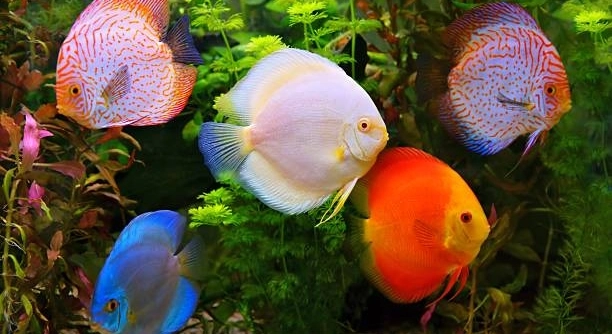
Discus fish are known for their vibrant colors and calm presence in home aquariums. Observing their behavior can reveal how comfortable they feel in their environment. Recognizing these signs helps maintain a healthy and stress-free habitat for your fish.
Discus become comfortable by exhibiting consistent swimming patterns, engaging in feeding without hesitation, showing vibrant coloration, maintaining close proximity to tank mates, reducing hiding behavior, exploring their surroundings, and displaying relaxed body posture. These indicators reflect their adaptation to the aquarium environment.
Identifying these behaviors early can improve your fish’s well-being and foster a peaceful aquarium atmosphere. The following points outline clear signs that discus are settling in nicely.
Consistent Swimming Patterns
Discus that feel comfortable will swim steadily and confidently throughout the tank. They avoid erratic or frantic movements, instead gliding smoothly in familiar areas. This calm swimming behavior shows they have adapted well to the water conditions and tank setup. You might notice them returning frequently to favorite spots or swimming along the glass without signs of stress. When discus are stressed or uneasy, they tend to dart quickly, hide excessively, or remain still in one place. Observing these patterns over time helps you understand your fish’s comfort level. This steady movement also reflects good water quality and proper tank maintenance, which are crucial for discus health.
Comfortable discus maintain a predictable swimming routine, signaling they are settled and at ease in their environment.
Watching your discus swim confidently allows you to assess tank conditions and adjust care if needed. Consistent swimming is a reliable indicator of their overall well-being.
Feeding Behavior
Feeding time reveals a lot about discus comfort. When they eagerly approach food and eat without hesitation, it indicates trust in their environment and caregivers. Comfortable discus will come out during feeding instead of hiding. They often eat together or take turns without showing aggression. In contrast, stressed discus may refuse food or act skittish. Feeding behavior also reflects their health and diet quality. A well-fed discus is more likely to maintain vibrant colors and active behavior. Ensuring a balanced diet with proper nutrients supports their comfort and longevity. Monitoring their response to feeding helps identify any early signs of illness or discomfort.
Comfortable discus show enthusiasm and confidence during feeding, which reflects their adjustment to the tank.
Regular feeding with a variety of foods helps discus feel secure and promotes social harmony within the group.
Vibrant Coloration
Discus that feel comfortable show bright, vivid colors. Their hues deepen when they are relaxed and healthy. Dull or faded colors can signal stress or illness.
Color intensity is influenced by water quality, diet, and tank environment. When discus are comfortable, their colors become more pronounced, reflecting good health. Proper lighting and nutrition play key roles in maintaining these vibrant shades. Changes in color can indicate discomfort or poor conditions. Monitoring coloration regularly helps you detect early problems and adjust care. It also gives insight into how well your discus are adapting to their surroundings.
Bright colors enhance the beauty of your aquarium and signal your discus are thriving. Maintaining stable water parameters ensures these colors remain vivid over time.
Reduced Hiding Behavior
Discus that are comfortable spend less time hiding and more time swimming openly. They explore the tank confidently without feeling the need to seek shelter.
Reduced hiding means your discus trust their environment and feel safe. Frequent hiding often points to stress, poor water conditions, or bullying from tank mates. When discus are settled, they show curiosity and engage more with their surroundings. This behavior also helps maintain social bonds within the group. Providing ample space and hiding spots helps discus feel secure, but overuse of these areas signals discomfort. Observing how often they hide allows you to gauge their comfort level and make necessary changes to their habitat. Open swimming behavior is a clear sign your discus are at ease.
Close Proximity to Tank Mates
Discus that feel comfortable often stay near their tank mates. This social behavior shows trust and acceptance within the group.
If discus avoid others, it may indicate stress or territorial disputes. Comfortable discus engage in peaceful interactions and swim in groups.
Exploring Their Surroundings
Discus that are at ease explore the entire aquarium instead of staying confined to one area. This behavior indicates curiosity and a lack of fear. Exploring helps them find food and interact with their environment. It also reflects good water quality and a stable habitat where they feel secure.
Relaxed Body Posture
A relaxed discus will have smooth, steady fins and a calm demeanor. This posture signals comfort and confidence in the tank environment.
FAQ
How long does it take for discus to get comfortable in a new tank?
Discus usually take several weeks to adjust to a new environment. The exact time varies depending on tank conditions, water quality, and the fish’s previous experience. During this period, they may hide or swim nervously. Consistent water parameters and a calm environment help them settle faster.
What are the best water conditions for discus comfort?
Discus prefer soft, slightly acidic water with temperatures between 82°F and 86°F (28°C to 30°C). Stable pH levels around 6.0 to 7.0 and low nitrate levels are essential. Regular water changes and good filtration maintain these conditions, reducing stress and promoting comfort.
Can stress affect discus coloration?
Yes, stress can cause discus to lose their vibrant colors, making them look pale or dull. Stressors include poor water quality, overcrowding, aggressive tank mates, or sudden changes in environment. Maintaining a stable, clean tank and a peaceful community helps keep their colors bright.
Is it normal for discus to hide a lot?
Discus do hide when they are new to a tank or feeling stressed. However, excessive hiding over long periods suggests a problem. It may indicate poor water conditions, illness, or bullying from other fish. Watching their hiding behavior helps identify if changes are needed.
How often should discus be fed?
Feeding discus 2 to 3 times a day with a balanced diet is ideal. Include high-quality pellets, frozen or live foods like bloodworms and brine shrimp. Avoid overfeeding to prevent water quality issues. Proper nutrition supports their immune system and overall comfort.
Can discus live with other fish comfortably?
Discus can live with peaceful, slow-moving fish that thrive in similar water conditions. Avoid aggressive or overly active species that stress discus. Suitable tank mates include certain tetras, dwarf cichlids, and Corydoras catfish. Observing interactions ensures a harmonious tank environment.
What signs indicate a sick discus?
Signs include loss of appetite, faded colors, labored breathing, clamped fins, and unusual swimming patterns. Early detection and treatment are crucial. Sick discus often isolate themselves and hide more. Maintaining good tank hygiene and stable conditions reduces the risk of illness.
How important is tank size for discus comfort?
Tank size plays a big role in discus comfort. A minimum of 50 gallons for a small group is recommended. Larger tanks provide more swimming space and stable water parameters. Overcrowding causes stress and aggression, impacting their well-being.
Do discus need hiding places in the tank?
Providing hiding spots with plants, driftwood, or caves helps discus feel secure, especially when new. However, too many hiding places can reduce swimming space. Balance is key to creating a comfortable environment without encouraging excessive hiding.
What is the best way to introduce new discus to a tank?
Acclimate new discus slowly by floating their bag in the tank to equalize temperature. Gradually mix tank water into the bag over an hour before release. This reduces shock from water differences. Keep lights dim and minimize disturbances during introduction for a smooth transition.
Final Thoughts
Discus fish are beautiful and sensitive creatures that require a calm and stable environment to thrive. Their comfort in the aquarium can be observed through clear signs such as steady swimming, vibrant colors, and relaxed behavior. Paying close attention to these indicators helps ensure the health and well-being of your discus. Consistent care, proper water conditions, and a balanced diet are essential components that contribute to their comfort and happiness in captivity.
Creating an ideal habitat for discus involves more than just maintaining water quality. Social dynamics and tank setup also play important roles. Comfortable discus will interact peacefully with their tank mates and explore their environment without fear. Providing enough space, proper hiding spots, and suitable companions reduces stress and encourages natural behaviors. When discus feel secure, they are more likely to display their true colors and engage in feeding and swimming activities regularly. Observing your fish over time allows you to notice changes that may indicate discomfort or illness early on.
Ultimately, keeping discus comfortable requires patience and attention to detail. Changes in behavior or appearance can be subtle, so regular monitoring is important. By responding promptly to any signs of stress or illness, you can help your discus adapt well and live longer, healthier lives. The goal is to create a peaceful, supportive environment where your discus feel safe and thrive. This not only benefits the fish but also enhances the enjoyment of maintaining a beautiful and lively aquarium.

Hello,
If you enjoy the content that we create, please consider saying a "Thank You!" by leaving a tip.
Every little bit helps us continue crafting quality advice that supports the health, happiness, and well-being of pets around the world, for pets of all shapes, sizes, and species.
We really appreciate the kindness and support that you show us!