
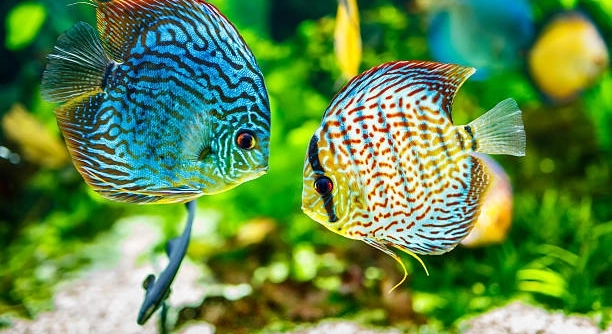
Is your discus fish floating sideways at night, leaving you unsure if something is wrong or just part of its behavior?
Discus fish often float sideways at night due to their resting habits and reduced activity levels. However, if buoyancy issues persist during the day, it could indicate swim bladder disorders, stress, or poor water quality.
Recognizing the difference between normal behavior and a health concern can help you provide better care for your discus.
Common Reasons for Sideways Floating at Night
Discus fish tend to rest during the night, often hovering or tilting slightly as their activity slows down. This behavior is usually harmless and reflects a natural state of rest. In a calm tank with low lighting, discus may adopt a sideways position, which can seem concerning but is typically normal. However, when this floating appears exaggerated or continues into the day, it may signal a health issue. Swim bladder problems, caused by diet or infection, can affect buoyancy. Poor water quality, sudden changes in temperature, or high nitrate levels can also lead to stress-related behavior changes. Regular tank maintenance, proper feeding, and stable water conditions are important for preventing problems. Observing changes in posture, swimming patterns, or appetite can help you determine whether the behavior is normal or needs attention. Acting early makes it easier to correct environmental or health issues before they become serious.
This resting behavior is often mistaken for illness, especially by newer fish keepers.
Discus fish are sensitive to their environment. Even minor changes in water quality can affect how they move or rest at night. Understanding their usual nighttime habits helps prevent unnecessary worry and supports a healthier tank environment.
When to Be Concerned
If your discus stays sideways during the day or seems unresponsive, it’s time to look closer.
Persistent sideways floating that extends into the day often signals a swim bladder disorder. This can happen from overfeeding, constipation, or infections. A bloated belly, lack of appetite, or floating near the surface are also common signs. Start by checking water parameters—ammonia, nitrites, and nitrates should all be at safe levels. Reduce feeding and try offering a blanched pea to ease digestion. In some cases, isolating the fish and maintaining higher temperatures (around 86°F) can help recovery. Avoid overfeeding and keep a regular cleaning schedule to prevent recurring issues. If the behavior does not improve in a few days, a bacterial infection may be involved, and you may need to use a treatment specific to swim bladder disease. Watching your discus closely and keeping notes on its behavior can help you catch signs early and act quickly to support recovery.
How Water Conditions Affect Discus Behavior
Discus fish are sensitive to changes in water quality, especially at night when their stress levels may rise. Poor filtration, sudden pH shifts, or high nitrates can affect their ability to swim or rest normally.
Maintaining consistent water parameters is essential. Discus thrive in slightly acidic water with a pH between 6.0 and 7.0, temperatures around 82–86°F, and very low levels of ammonia and nitrite. When these values shift, especially at night when biological processes slow down, your discus may become stressed and float sideways. Sudden water changes can also reduce oxygen levels, which contributes to disorientation or sluggish movement. Regular testing helps you catch these problems early. Use dechlorinated water for changes, and avoid disturbing the biological balance of your filter. Gradual adjustments and weekly water changes of 20–30% keep the tank stable and healthier overall. This supports natural behavior both day and night.
A strong filtration system keeps the tank clean, but too much current can exhaust your discus. Low nighttime oxygen levels also become a problem if there’s not enough surface agitation. You can prevent this by placing an air stone or adjusting your filter output slightly upward. A calm, clean tank supports restful, normal nighttime behavior.
Feeding Habits and Swim Bladder Health
Feeding your discus too much or using dry, low-fiber foods can lead to swim bladder issues. These problems are more noticeable when the fish are at rest, especially at night.
Swim bladder problems often come from constipation. If your discus shows signs like bloating or floating awkwardly, try feeding a blanched, skinned pea once daily for two to three days. This can help clear blockages and improve buoyancy. Avoid high-protein or pellet-heavy diets during this time. A varied diet of frozen or live food like bloodworms, brine shrimp, and daphnia keeps digestion smoother and supports long-term health. Soaking dry foods before feeding also helps prevent air intake, which can worsen buoyancy problems. Feed small amounts twice daily rather than one large feeding. Watch how your fish behaves during and after eating to catch signs early. Consistent, gentle feeding routines are key to preventing swim bladder stress and nighttime floating.
Stress and Environmental Factors
Stress can make discus fish float differently, especially during quiet nighttime hours. Sudden lighting changes, loud noise, or frequent tank disruptions can affect their posture and make them appear off balance while resting.
Crowded tanks or incompatible tank mates can also raise stress levels. A calm, spacious setup supports natural behavior.
Signs It’s Time for Treatment
If your discus is floating sideways during the day and shows signs like loss of appetite, bloating, or labored breathing, it’s best to take action. Begin with a water test and improve tank conditions immediately. If symptoms continue, consider swim bladder treatment or consult a fish health specialist.
Supportive Nighttime Setup
Keep lights dim in the evening and avoid tapping the glass. Add plants or decorations that help the fish feel secure while resting.
FAQ
Why is my discus floating sideways only at night?
Discus fish often rest differently at night compared to daytime activity. Floating sideways while resting is usually normal as their metabolism slows. However, this can also be a sign of mild swim bladder discomfort or stress caused by changes in water conditions or lighting. Monitoring their overall health and tank environment can clarify if it’s normal behavior.
Can poor water quality cause my discus to float sideways?
Yes, poor water quality is a common cause of unusual swimming behavior in discus. High ammonia, nitrite, or nitrate levels can stress fish, impacting buoyancy and causing floating or tilting. Regular water tests and partial water changes maintain stable conditions and reduce these risks.
How can I prevent swim bladder issues in discus?
Preventing swim bladder problems starts with feeding a balanced diet that includes high-fiber foods and avoids overfeeding. Providing frozen or live foods and occasionally feeding blanched peas helps digestion. Maintaining good water quality and avoiding sudden temperature changes also supports swim bladder health.
Is sideways floating always a sign of illness?
Not always. Discus may float sideways during rest or sleep without any health issues. But if the behavior persists into the daytime or is paired with other symptoms such as lethargy, loss of appetite, or abnormal swimming, it is likely a health problem that needs addressing.
Can stress cause my discus to float sideways?
Stress can definitely impact discus behavior, including their swimming posture. Stressors include poor water conditions, aggressive tank mates, sudden light changes, and overcrowding. Reducing stress by maintaining stable tank parameters and providing hiding places can improve fish comfort and reduce abnormal floating.
What immediate steps should I take if my discus is floating sideways?
First, test water parameters for ammonia, nitrite, nitrate, and pH. Perform a partial water change if needed. Adjust feeding routines by reducing quantity and offering high-fiber foods like peas. Ensure tank temperature is stable and within the ideal range. If symptoms persist, isolate the fish and consider treatment for swim bladder disease or consult a veterinarian.
Can tank setup affect my discus’ nighttime behavior?
Yes. A calm environment with dim lighting and minimal disturbances promotes normal rest behavior. Tank decorations and plants offer security and reduce stress. High water flow or loud noises can disrupt sleep and cause floating or sideways positioning.
How long does it take for swim bladder problems to improve?
Improvement varies, but mild cases often respond to dietary changes and improved water conditions within a few days. More serious infections or injuries may take longer and require medication. Persistent symptoms beyond a week should prompt professional advice.
Are there any specific foods to avoid to prevent buoyancy problems?
Dry pellets or flakes that expand quickly in the gut can cause constipation and swim bladder issues. Avoid overfeeding and feeding large amounts at once. Soaking dry foods before feeding can reduce air intake. Balanced, varied diets with live or frozen foods support digestion.
Can other illnesses cause sideways floating in discus?
Yes. Swim bladder disorder is the most common cause, but internal infections, parasites, or injuries can also affect buoyancy. Watch for additional signs like spots, discoloration, frayed fins, or rapid breathing to identify other health problems.
Is it safe to raise the tank temperature to help a sick discus?
Raising temperature slightly (around 84–86°F) can speed up metabolism and digestion, helping some swim bladder problems. However, avoid sudden or extreme temperature changes, and ensure all tank inhabitants can tolerate warmer water.
Should I isolate my discus if it is floating sideways?
Isolation can reduce stress and prevent spread of potential infections. Use a quarantine tank with stable water parameters and observe the fish closely. Treat as necessary based on symptoms and diagnosis.
Can flotation problems cause permanent damage?
If left untreated, buoyancy issues can worsen, affecting feeding and movement, and potentially lead to more serious infections or death. Early intervention improves the chance of full recovery without lasting effects.
How can I tell if my discus is stressed or sick?
Stress signs include hiding, loss of appetite, rapid breathing, and unusual swimming. Illness may show additional symptoms like clamped fins, spots, swelling, or lethargy. Monitoring behavior over time helps distinguish between stress and disease.
What role does lighting play in discus floating behavior?
Bright or sudden lighting can startle discus and disrupt their resting state. Gradual dimming in the evening and maintaining a consistent light cycle encourages normal nighttime rest and reduces floating or sideways positioning.
Are there treatments available for swim bladder disease?
Yes, treatments include antibiotics if bacterial infection is suspected, and dietary adjustments for constipation-related cases. Consult an aquatic veterinarian or specialist for correct diagnosis and medication. Avoid self-medicating without proper guidance.
How often should I test my tank water to prevent problems?
Weekly testing is recommended to maintain optimal water conditions. More frequent tests may be necessary if you notice unusual fish behavior or after adding new fish or plants.
Can water hardness affect discus buoyancy?
Discus prefer soft to moderately hard water. Extreme hardness can stress them and potentially contribute to swim bladder problems. Keep water hardness within recommended levels to support overall health.
What is the best way to monitor discus health at night?
Use a dim red or blue light to observe without disturbing their rest. Look for consistent posture, normal breathing, and lack of erratic movement. This helps detect problems early without causing stress.
Can overstocking cause discus to float abnormally?
Yes, crowded tanks increase stress, reduce oxygen, and worsen water quality. This environment often leads to abnormal swimming and resting behavior, including sideways floating. Providing adequate space helps maintain healthy behavior.
Final Thoughts
Discus fish are beautiful and delicate pets that require careful attention to their environment and health. Floating sideways at night can seem alarming, but often it is just a natural part of how these fish rest. However, this behavior can also indicate issues like swim bladder problems, water quality concerns, or stress. Being aware of these possibilities helps you provide the best care. Monitoring your tank conditions regularly and keeping a stable, calm environment reduces many common problems. Consistency in water parameters, feeding habits, and tank setup is key to keeping discus healthy and comfortable.
Water quality plays a critical role in discus wellbeing. Even small changes in pH, temperature, or ammonia levels can affect their behavior. Regular testing and water changes prevent the buildup of harmful substances. Proper filtration, avoiding overcrowding, and gentle water flow create an environment closer to their natural habitat. Along with good water conditions, a balanced diet supports digestion and buoyancy. Feeding a mix of frozen, live, and prepared foods, with occasional high-fiber treats like peas, helps maintain swim bladder health. Avoiding overfeeding and using soaked dry foods prevents constipation and floating issues.
Stress is another important factor that influences discus behavior, including sideways floating. Sudden changes in lighting, loud noises, or aggressive tank mates can make discus uneasy. A peaceful, well-decorated tank with places to hide encourages natural behavior and rest. Adjusting lights gradually in the evening and minimizing disturbances at night helps your fish relax. If you notice persistent floating or other symptoms like loss of appetite or labored breathing, it is important to act quickly. Testing water, adjusting care, and seeking advice from experts can prevent more serious health problems. Keeping these points in mind ensures your discus have a better chance of thriving in your aquarium.

Hello,
If you enjoy the content that we create, please consider saying a "Thank You!" by leaving a tip.
Every little bit helps us continue crafting quality advice that supports the health, happiness, and well-being of pets around the world, for pets of all shapes, sizes, and species.
We really appreciate the kindness and support that you show us!