
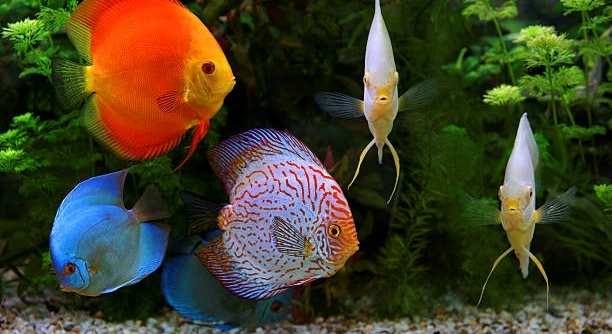
Bringing home a new discus fish can be exciting but also stressful for the fish. These delicate creatures need calm conditions to adjust after arrival. Helping them settle properly is important for their health and well-being.
The best way to calm a new discus after arrival is to provide a quiet, stable environment with controlled water temperature and low lighting. Minimizing handling and maintaining clean water reduces stress and supports a smooth transition.
Understanding how to create a peaceful setup will help your discus thrive and feel secure in its new home. This article will guide you through simple but effective calming steps.
Preparing the Tank Before Arrival
Before your discus arrives, it is essential to have the tank fully set up and stable. The water should be clean, with the proper temperature between 82°F and 86°F (28°C to 30°C). The pH level needs to be slightly acidic, around 6.0 to 7.0, to mimic their natural environment. Adding gentle filtration ensures water movement without causing strong currents that could stress the fish. A well-planted tank with hiding spots provides comfort and security. Avoid making sudden changes to the water or decorations right after arrival, as this can increase stress levels. Using a water conditioner to remove chlorine and chloramine is also important. When the environment is calm and suitable, the discus will have a better chance to adjust quickly and stay healthy during its first days.
Keeping the tank ready beforehand helps reduce shock and creates a welcoming environment for your new discus.
Having a peaceful, stable tank setup before the discus arrives makes it easier for the fish to settle. This preparation reduces stress and improves the fish’s ability to adapt to its new home.
Introducing the Discus to Its New Home
When the discus arrives, keep the bag floating in the tank for about 20 to 30 minutes. This step allows the water temperature inside the bag to gradually match the tank water, preventing sudden temperature changes. Afterward, slowly add small amounts of tank water into the bag over 15 to 20 minutes. This process helps the discus adjust to the water chemistry before being released. Avoid dumping the fish directly into the tank, as this sudden change can cause shock. Using a net to transfer the discus gently into the tank is best. Once inside, reduce the lighting and avoid tapping or sudden movements around the tank. Keeping the environment calm during the first few hours will help the discus feel secure and reduce stress levels.
A calm and slow introduction is key to helping your discus adjust without unnecessary stress.
Taking these careful steps ensures your discus adapts well to its new environment. It also minimizes stress, which supports better health and faster adjustment.
Monitoring Water Quality Closely
Water quality is crucial for a new discus. Frequent testing during the first week helps detect any harmful changes early. Keeping ammonia and nitrite levels at zero is essential to avoid stress or illness. Regular partial water changes help maintain clean, stable water conditions.
Maintaining excellent water quality supports the discus’s immune system during its adjustment period. New discus are very sensitive to toxins and sudden changes. Testing the water daily and performing small water changes of about 20-30% helps keep the environment safe. Using a reliable test kit is important to track pH, ammonia, nitrite, and nitrate levels accurately. Avoid introducing new chemicals or treatments unless necessary, as this can cause additional stress. Keeping the water stable and clean allows your discus to focus on adapting rather than fighting off illness or stress.
Keeping a close eye on water parameters also allows you to catch early signs of problems. Healthy water conditions reduce the risk of infections and promote quicker recovery from stress.
Feeding New Discus Carefully
Start feeding your discus small amounts of high-quality food after 24 hours of arrival. Overfeeding can pollute the tank and stress the fish, so offer only what they can eat in a few minutes. Variety in diet helps keep them healthy.
Feeding new discus too soon or with large portions can cause digestive issues and increase waste in the tank. Begin with easily digestible foods like pellets or frozen bloodworms. Offer small meals two to three times daily. Watch how the fish responds and adjust feeding amounts accordingly. Uneaten food should be removed quickly to prevent water quality problems. A balanced diet during this period supports recovery and boosts their strength. Avoid sudden changes in diet; instead, introduce new foods gradually over time to prevent stress or refusal to eat.
Good feeding habits during the first week can make a big difference in the discus’s health and stress levels. Consistent, moderate feeding helps them settle and thrive.
Keeping Lighting Low
Low lighting helps reduce stress for a new discus. Bright lights can overwhelm them and make settling difficult. Use dim lights or cover part of the tank to create shaded areas.
Reducing light intensity simulates their natural environment. This calm setting encourages the discus to explore and eat comfortably without feeling threatened or exposed.
Avoiding Sudden Movements
Sudden movements near the tank can startle a discus and increase stress. Approach the tank slowly and calmly to help your fish feel safe and secure during this sensitive time.
Consistent, gentle behavior around the tank helps build trust. Avoid tapping on the glass or quick motions to keep the environment peaceful for your new discus.
Maintaining Stable Temperature
Keeping the tank temperature steady between 82°F and 86°F is critical for discus health. Fluctuations can weaken their immune system and increase stress.
Use a reliable heater and thermometer to monitor temperature regularly. Avoid placing the tank near windows or vents where temperature changes may occur suddenly.
Limiting Handling
Minimize handling your discus after arrival. Handling can cause unnecessary stress and potential injury.
Let the fish settle into its environment before any interaction. Observing quietly from a distance supports a calm recovery period.
FAQ
How long does it take for a new discus to calm down after arrival?
New discus usually begin to calm down within a few days if their environment is stable. It may take about one to two weeks for them to fully settle and show normal behavior. Patience and consistent care during this time are essential for a smooth adjustment.
Can I keep new discus with other fish right after arrival?
It’s best to avoid adding new discus to a community tank immediately. Introducing them to other fish too soon can increase stress and risk disease transmission. Quarantining new discus in a separate tank for at least two weeks helps ensure they are healthy and calm before mixing.
What signs show my discus is stressed?
Signs of stress include clamped fins, hiding, loss of appetite, rapid breathing, or unusual swimming patterns. Stress can weaken the immune system, making the fish more prone to illness. Recognizing these signs early allows for quick adjustments to improve their environment.
Should I use medication after bringing home a new discus?
Medication is not recommended unless there are clear signs of illness. Overusing medication can harm the discus and disrupt beneficial bacteria in the tank. Focus on maintaining clean water, stable temperature, and a calm environment instead.
How often should I change the water when calming a new discus?
During the first week, changing about 20-30% of the water every two to three days helps maintain good water quality. Avoid large or frequent water changes that can shock the fish. Use water that matches tank temperature and parameters.
Is it normal for discus to hide a lot after arrival?
Yes, discus often hide more during their first few days as they adjust to the new surroundings. Providing plants and decorations offers them safe spaces. As they become comfortable, they will start exploring and swimming openly.
What temperature is best for new discus?
Keeping the water between 82°F and 86°F is ideal. Stable temperatures help reduce stress and support the discus’s immune system. Sudden drops or rises can cause health issues, so use a reliable heater and monitor regularly.
Can lighting affect how my discus settles in?
Yes, bright or flashing lights can stress new discus. Low, soft lighting mimics their natural habitat and helps them feel secure. You can dim the lights or use floating plants to create shaded areas.
How do I know if my discus is eating enough?
New discus might eat less at first but should show gradual improvement within a few days. Offer small amounts of quality food two to three times daily. If they refuse food for more than a few days or lose weight, water quality or health issues might be the cause.
What kind of food should I give new discus?
Start with easy-to-digest options like high-quality pellets, frozen bloodworms, or brine shrimp. Variety helps keep them healthy and encourages feeding. Avoid sudden diet changes; introduce new foods gradually to prevent stress.
Is handling the discus necessary during the first week?
Handling should be avoided unless absolutely necessary. Moving or netting the fish frequently can increase stress and risk injury. Observe quietly and give them space to settle naturally.
How can I reduce stress if my discus seems very nervous?
Maintain stable water conditions, keep lighting low, and minimize noise and movement near the tank. Adding gentle filtration and hiding spots also helps. Sometimes, reducing the number of tankmates can improve comfort for nervous discus.
Helping a new discus calm down after arriving is important for its health and happiness. These fish are sensitive and can easily get stressed by changes in their environment. By preparing the tank properly and keeping water conditions stable, you create a safe space where the discus can feel comfortable. Controlling factors like water temperature, lighting, and tank decorations helps the fish settle in without feeling threatened. Stress can lead to illness, so taking simple steps to reduce it benefits the discus greatly. It is important to be patient because adjustment takes time, and rushing the process may cause more harm than good.
Feeding the discus carefully is another key part of helping it calm down. Offering small amounts of food and avoiding overfeeding keeps the water clean and the fish healthy. Introducing a variety of good-quality foods slowly encourages the discus to eat without overwhelming its system. Watching how your discus reacts to food can give clues about its health and stress levels. Removing leftover food quickly also supports water quality. Good feeding habits during the early days create a strong foundation for your discus’s long-term well-being.
Finally, giving your discus space and minimizing handling helps it regain confidence in its new home. Avoid tapping on the glass or making sudden movements near the tank, as these actions can startle the fish. Keeping lights low and providing hiding spots offers a sense of security. Monitoring water quality closely and making gradual changes when needed ensures the environment stays safe. When you focus on creating calm conditions and observing your discus quietly, you help it feel at ease. This approach supports a smooth transition and encourages a healthy, happy discus that will thrive in its aquarium.

Hello,
If you enjoy the content that we create, please consider saying a "Thank You!" by leaving a tip.
Every little bit helps us continue crafting quality advice that supports the health, happiness, and well-being of pets around the world, for pets of all shapes, sizes, and species.
We really appreciate the kindness and support that you show us!