
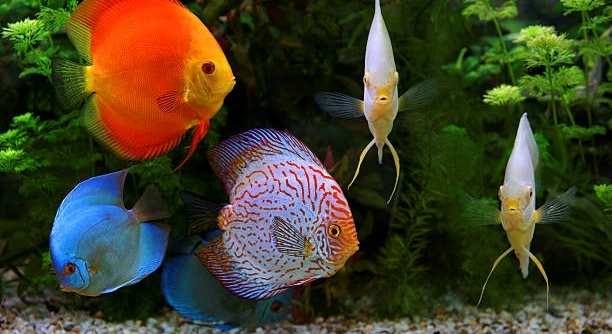
Driftwood is a popular decoration in many aquariums due to its natural look and benefits for fish. For discus owners, choosing the right materials is important to maintain a healthy environment. This article explores the use of driftwood in discus tanks.
Driftwood can be used safely in discus aquariums if it is properly prepared and treated. It helps maintain water chemistry by releasing tannins, which create a slightly acidic and soft water environment favorable for discus fish.
Understanding how to select and prepare driftwood will help ensure your discus aquarium remains balanced and healthy, supporting the well-being of your fish over time.
Benefits of Using Driftwood in a Discus Aquarium
Driftwood offers several advantages when added to a discus aquarium. It creates a natural environment similar to the discus fish’s native habitat, which helps reduce stress and encourages natural behavior. The tannins released by driftwood slightly lower the pH and soften the water, which matches the conditions discus prefer. This can improve the fish’s immune system and coloration. Driftwood also provides hiding spots and territories, which are important for discus, especially during breeding. Additionally, it supports beneficial bacteria growth that aids in maintaining water quality. While driftwood can darken the water slightly, many discus keepers find this desirable as it mimics blackwater environments. Overall, driftwood plays a functional and aesthetic role in discus tanks, enhancing both fish health and tank appearance.
Proper preparation of driftwood before adding it to the aquarium is essential to avoid water quality problems or contamination.
To prepare driftwood, it should be cleaned thoroughly and soaked for several days or boiled to remove tannins and any potential pests. Soaking helps reduce excessive water discoloration and leaches out substances that might harm fish. Boiling accelerates this process and sterilizes the wood. It is important to monitor water parameters regularly after adding driftwood because tannins can slightly lower pH and soften water. If the water becomes too dark or acidic, partial water changes can restore balance. Choosing hardwood types like Malaysian driftwood or Mopani is preferred, as they are more durable and less likely to decompose quickly. Avoid softwoods, which may release harmful resins. Proper selection and preparation ensure driftwood benefits the discus without introducing risks.
Potential Risks of Using Driftwood in Discus Tanks
Driftwood can sometimes cause problems if not handled correctly or if unsuitable types are used. Excessive tannin release may lower pH too much, stressing discus fish. Some driftwood pieces might leach unwanted substances or promote algae growth if they start decomposing. To avoid these issues, select quality driftwood and prepare it properly before introducing it to the tank.
The size and shape of driftwood also matter; large pieces can reduce swimming space and trap debris, affecting water quality. Driftwood should be arranged to allow good water flow and easy cleaning access. Over time, it might need replacement as it breaks down.
Choosing the right driftwood and maintaining regular tank care minimizes risks. Proper use creates a balanced environment that supports discus health and natural behavior, making driftwood a valuable addition when used thoughtfully.
How to Choose the Right Driftwood
Choosing the right driftwood is key to maintaining a healthy discus tank. Look for hardwood types like Malaysian, Mopani, or Manzanita, which are durable and less likely to decompose quickly. Avoid softwoods that can release harmful substances.
Hardwood driftwood is more stable in the aquarium environment. It releases tannins slowly, helping to maintain a slightly acidic pH suitable for discus fish. These woods also tend to have interesting shapes that provide hiding spots and add natural beauty to the tank. Be sure to select pieces without sharp edges to prevent injuries to your fish. When buying driftwood, opt for aquarium-safe products from trusted suppliers to reduce the risk of contaminants.
Before adding driftwood to your tank, inspect it carefully for signs of mold or insects. Properly prepared driftwood will last longer and support your discus aquarium’s ecosystem without causing water quality issues or unwanted algae growth.
Preparing Driftwood for Your Discus Aquarium
Start by cleaning the driftwood with a brush under running water to remove dirt and debris. Avoid using soaps or chemicals as they can harm fish.
Next, soak the driftwood for several days, changing the water regularly. This process leaches out excess tannins that darken the water. Boiling the driftwood speeds up tannin removal and sterilizes the wood, killing any bacteria or pests.
Monitor the water during soaking to check how much discoloration occurs. If the water remains very dark after several days, continue soaking or change the wood piece. Proper preparation reduces water quality problems and creates a safer environment for discus fish, helping to maintain stable water chemistry and clarity.
Caring for Driftwood in a Discus Aquarium
Driftwood requires regular maintenance to keep the tank healthy. Check for signs of decay or mold and clean it gently when needed. Avoid harsh scrubbing to preserve beneficial bacteria.
Algae can grow on driftwood surfaces, especially in well-lit tanks. Use a soft brush or algae-eating fish to manage buildup without damaging the wood.
Impact of Driftwood on Water Chemistry
Driftwood releases tannins that lower pH and soften water, which suits discus fish. These natural chemicals create a blackwater effect, mimicking the discus’s native habitat and promoting their health. However, tannins can discolor the water, so monitor parameters regularly to maintain balance.
Common Types of Driftwood Used in Discus Tanks
Malaysian, Mopani, and Manzanita are popular driftwood choices. These hardwoods are durable, release tannins slowly, and have attractive shapes. Their stability supports long-term aquarium use and enhances the tank’s natural look.
Signs Driftwood Needs Replacement
If driftwood starts to soften, crumble, or emit a foul odor, it’s time to replace it. These signs indicate decay, which can harm water quality and fish health.
FAQ
Can driftwood harm discus fish?
Driftwood itself does not harm discus fish if it is properly prepared and maintained. However, untreated driftwood can release harmful substances or cause water quality issues, such as excessive tannin release or decay, which can stress or harm the fish. Proper cleaning, soaking, and monitoring of water parameters are essential to avoid these problems.
How often should I clean driftwood in a discus tank?
Cleaning driftwood depends on the tank’s conditions. Generally, it should be gently cleaned when algae buildup or debris appears. Avoid harsh scrubbing to protect beneficial bacteria. Using soft brushes or algae-eating fish helps keep the driftwood clean without damaging it.
Why does driftwood make the water brown?
Driftwood releases tannins, which are natural compounds that stain the water a light brown or tea color. This is common and usually harmless. The tannins lower pH and soften water, creating a natural blackwater environment preferred by discus fish. Regular water changes can manage the coloration if it becomes too dark.
Can I boil driftwood before adding it to my discus aquarium?
Yes, boiling driftwood is an effective way to speed up the removal of tannins and sterilize it. Boiling helps kill bacteria, fungi, or insects that may be present. After boiling, it is recommended to soak the wood further and monitor the water color before placing it in the tank.
What types of driftwood are safe for discus tanks?
Hardwoods like Malaysian driftwood, Mopani, and Manzanita are considered safe and durable for discus tanks. They release tannins slowly and resist quick decay. Avoid softwoods or chemically treated wood, as these can release harmful substances and degrade water quality.
How long should I soak driftwood before adding it to the tank?
Soaking time varies but typically ranges from several days to two weeks. This process leaches out excess tannins and other soluble compounds. Changing the soaking water regularly helps speed up tannin removal. If water remains very dark after two weeks, consider boiling or selecting a different piece.
Does driftwood change the water parameters permanently?
Driftwood naturally alters water chemistry by lowering pH and softening water, but these changes are generally mild and stable once the initial tannin release subsides. Continuous monitoring is important, especially in smaller tanks, to ensure water parameters stay within safe levels for discus fish.
Can driftwood cause algae problems in the aquarium?
Driftwood can promote algae growth if the tank receives excessive light or nutrients. Algae often attach to driftwood surfaces, which can be unsightly and affect water quality. Managing light exposure, nutrient levels, and adding algae-eating species can help control this issue effectively.
Is it necessary to remove driftwood if the water becomes too acidic?
Not always. If the pH drops slightly but remains within safe limits for discus fish, partial water changes can correct acidity without removing driftwood. However, if the pH falls too low or the water becomes excessively tinted, removing or replacing the driftwood may be necessary.
How can I tell if driftwood is decaying in my tank?
Signs of decaying driftwood include softness, crumbling edges, an unpleasant odor, or unusual discoloration. Decay can release harmful substances, degrade water quality, and harm fish health. Regular inspection and maintenance help detect these signs early and prevent problems.
Can I combine driftwood with other aquarium decorations?
Yes, driftwood works well with rocks, plants, and other decorations to create a natural and functional environment. Combining materials helps provide hiding spots and enriches the tank’s visual appeal. Just ensure all decorations are aquarium-safe and properly prepared.
Will driftwood float in the aquarium?
Some types of driftwood initially float due to trapped air or low density. Boiling, soaking, or weighting the wood can help it sink. Properly submerged driftwood stays in place and provides stable structures for fish and beneficial bacteria.
Does driftwood affect fish behavior?
Driftwood creates hiding places and territories, which can reduce stress and encourage natural behaviors in discus fish. It offers shelter and resting areas, making the fish feel more secure. This can improve overall health and breeding success.
Can I use driftwood in a planted discus tank?
Driftwood is compatible with planted tanks and can enhance the natural appearance. It provides surfaces for attaching plants like Java fern or Anubias. Careful placement and preparation ensure driftwood supports plant growth without affecting water chemistry negatively.
What should I do if driftwood releases too many tannins?
If excessive tannins darken the water too much, perform partial water changes to dilute the color. Additional soaking or boiling before adding driftwood can reduce tannin release. Using activated carbon in the filter also helps clear tannins over time.
Final Thoughts
Driftwood can be a valuable addition to a discus aquarium when chosen and prepared carefully. It helps create a natural environment that closely resembles the native habitat of discus fish. The tannins released from driftwood soften the water and lower pH, which supports the health and well-being of discus. Additionally, driftwood provides shelter and hiding spaces that reduce stress and encourage natural behavior. These benefits make it a popular choice for many discus keepers who want to improve their tank’s environment and the condition of their fish.
However, using driftwood requires attention and care. Not all driftwood types are suitable for aquariums, and improper preparation can lead to water quality problems. It is important to clean, soak, or boil the wood before placing it in the tank to remove harmful substances and reduce excessive tannin release. Monitoring the water parameters regularly after adding driftwood is also necessary. If water discoloration or pH changes become problematic, adjustments or partial water changes might be needed to maintain a stable environment. Driftwood may also need periodic maintenance to prevent algae buildup and to check for signs of decay.
Overall, driftwood’s role in a discus aquarium goes beyond decoration. It plays an important functional part in supporting water chemistry and providing fish with a comfortable habitat. By selecting the right type and preparing it properly, hobbyists can create a balanced and visually appealing tank that promotes discus health. While there are risks associated with driftwood, these can be managed with proper care and attention. When used thoughtfully, driftwood is a natural and beneficial addition that enhances the discus aquarium experience.

Hello,
If you enjoy the content that we create, please consider saying a "Thank You!" by leaving a tip.
Every little bit helps us continue crafting quality advice that supports the health, happiness, and well-being of pets around the world, for pets of all shapes, sizes, and species.
We really appreciate the kindness and support that you show us!