
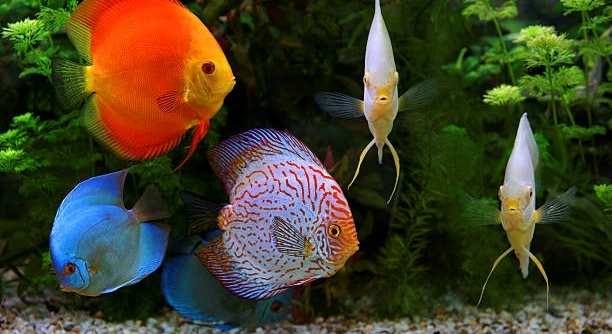
Discus fish are popular in the aquarium hobby for their bright colors and unique shape. Many enthusiasts want to breed them but may not recognize when their fish are ready. Identifying breeding signs is essential for successful care.
Discus fish exhibit specific behaviors and physical changes indicating readiness to breed. These include color intensification, pairing behavior, and preparation of spawning sites. Recognizing these signs allows for timely intervention and appropriate breeding conditions in captivity.
Understanding these indicators helps ensure the breeding process goes smoothly and supports healthy fish development in your aquarium environment.
Color Changes and Physical Signs
Discus fish show clear physical signs when they are ready to breed. Their colors become more vibrant and intense, especially on the body and fins. This brightening is a natural signal of readiness. In addition to color, the fish’s body shape may change. Breeding discus often appear fuller or rounder in the belly, especially females preparing to lay eggs. Males might develop a more pronounced forehead or thicker lips. These changes are not sudden but happen gradually as the fish approach spawning. Observing these physical signs closely can help determine the right time to separate breeding pairs or prepare a suitable environment.
The increased coloration is a reliable visual cue and can be the first noticeable sign before other behaviors appear.
These physical changes indicate that your discus are healthy and ready for the spawning process. Maintaining stable water conditions supports these developments and encourages natural behavior in the breeding pair. Recognizing these signs early helps ensure a successful breeding setup.
Pairing Behavior
Discus fish that are ready to breed show clear pairing behavior. They often swim closely together and clean a chosen surface for egg laying.
Pair formation involves courtship rituals such as nudging and synchronized swimming. This behavior strengthens the bond necessary for successful spawning. The pair will also defend their territory from other fish, signaling readiness to reproduce. These interactions indicate the fish are preparing for the next stage in breeding. Understanding these social signals allows proper timing for breeding interventions and reduces stress in the aquarium environment. The pair’s cooperation is essential for protecting the eggs and fry after spawning. Providing a calm and secure space helps support these behaviors.
The signs of pairing show that the fish are ready to begin reproduction and need the right conditions to do so. Monitoring these behaviors closely guides proper tank management and increases the chances of successful breeding outcomes.
Preparing the Spawning Site
Discus fish prepare a flat surface where they will lay eggs. This is usually a broad leaf, a piece of slate, or the aquarium glass. The site is cleaned thoroughly by the pair before spawning.
Cleaning the spawning site involves both fish rubbing against it to remove debris and algae. This ensures the eggs will attach properly and stay safe. The female may circle the area repeatedly, signaling readiness. The male often helps by guarding the site and fending off other fish. This preparation is a key sign the pair is close to spawning.
Providing smooth, clean surfaces in the tank supports this natural behavior. Offering broad leaves or slate plates encourages discus to choose an ideal spot. The fish feel secure and focused on breeding when their environment meets their needs.
Changes in Appetite and Activity
Discus fish often change their eating habits before breeding. They may eat less or become more selective in food. This shift is part of their natural preparation.
During this time, discus focus energy on mating rather than feeding. It is common to see a decrease in appetite as their bodies prepare for spawning. However, offering high-quality, protein-rich food supports their health. Some breeders reduce feeding slightly but keep water conditions stable. Activity levels may also shift, with fish spending more time near their chosen spawning site. Recognizing these subtle changes helps ensure the fish remain healthy throughout the process. Adjusting feeding habits carefully avoids stress or nutritional deficiencies. Providing a balanced diet during this period contributes to successful reproduction and fry development.
Increased Cleaning Behavior
Discus fish will clean not only the spawning site but also themselves more frequently. This behavior helps reduce bacteria around the eggs.
This increased cleaning is a clear indicator that breeding is imminent. It keeps the fish and their environment healthy during this sensitive time.
Egg Laying and Fertilization Process
After preparing the site and pairing closely, the female lays eggs in neat rows on the chosen surface. The male then fertilizes the eggs by releasing milt over them. This process usually takes several hours, with the pair taking turns. After fertilization, the discus continue to guard and clean the eggs until they hatch. This stage requires stable water conditions and minimal disturbance to ensure high survival rates.
Protective Behavior
The breeding pair becomes more territorial and protective. They defend the area aggressively from other fish and potential threats.
FAQ
How long does it take for discus eggs to hatch?
Discus eggs usually hatch within 48 to 60 hours after being laid, depending on water temperature. Warmer water speeds up development but should remain stable. After hatching, the fry stay attached to the spawning site for a few days before becoming free-swimming.
What water conditions are best for breeding discus?
Stable, clean water with a temperature between 82°F and 86°F (28°C to 30°C) is ideal. Soft, slightly acidic water with a pH around 6.0 to 6.5 encourages breeding. Frequent water changes help maintain quality and remove waste that could harm eggs or fry.
How can I tell if my discus pair will successfully breed?
A successful pair usually shows strong pairing behavior, consistent cleaning of the spawning site, and clear protective actions. Both fish should appear healthy with vibrant colors. Pairs that swim closely and defend their chosen area often indicate readiness to breed.
Should I separate the breeding pair from other fish?
Yes, separating the breeding pair is recommended to reduce stress and prevent other fish from eating the eggs or disturbing the pair. A separate breeding tank allows for better control of water conditions and protection for the eggs and fry.
What do discus fry eat after they become free-swimming?
Initially, discus fry feed on their parents’ mucus, which provides essential nutrients and protection. After about a week, they can start eating finely crushed flakes or specially prepared fry food. Feeding small amounts frequently supports healthy growth.
Can discus breed without a pair bond?
Breeding success is much higher when a bonded pair is present. Random fish are less likely to mate successfully because bonding behaviors, such as synchronized swimming and cleaning, play a crucial role in spawning readiness and egg care.
How often do discus fish breed?
Discus pairs typically breed every few weeks under ideal conditions. However, breeding frequency depends on factors like water quality, temperature, and the pair’s health. Allowing rest periods between breeding cycles supports long-term fish health.
What problems can occur during discus breeding?
Common issues include fungus on eggs, poor water quality affecting fry survival, and aggression between pairs or other tank mates. Fungus can be treated by removing affected eggs, while maintaining optimal water conditions minimizes other risks.
Is it necessary to provide special food during breeding?
Offering high-protein foods such as bloodworms, brine shrimp, or specially formulated discus pellets helps strengthen fish and prepare them for spawning. Good nutrition supports egg production and overall health during the breeding process.
How long do discus parents care for their fry?
Discus parents care for their fry by guarding and feeding them with mucus for about two to three weeks. After this period, the fry gradually become independent and start eating other foods. Parental care is essential for fry survival in early stages.
Final Thoughts
Breeding discus fish requires careful attention to their behavior and environment. Recognizing the signs that indicate readiness to breed is important for a smooth process. From changes in color and body shape to pairing behavior and cleaning activities, these signals help identify when the fish are prepared. Providing a stable and clean tank environment supports these natural behaviors. Monitoring water temperature, pH, and quality ensures conditions remain suitable for spawning and raising fry. The right setup can make a significant difference in breeding success.
The breeding process involves several stages, including preparing the spawning site, laying and fertilizing eggs, and caring for the fry. The discus pair works together throughout, showing protective and nurturing behaviors. It is important to minimize disturbances during this time. Stress from other fish or sudden changes in the environment can affect the health of the eggs and the willingness of the pair to continue caring for their offspring. Keeping the tank quiet and stable encourages natural behavior and improves survival rates.
Patience and observation are key when breeding discus fish. Each pair may behave differently, and not every attempt will result in successful spawning. Adjusting feeding routines, maintaining excellent water quality, and providing suitable tank conditions increase the likelihood of success. Watching the fish’s behavior closely allows timely actions to support breeding and fry development. While the process can take effort, it is rewarding to see healthy discus fry grow and thrive under your care.

Hello,
If you enjoy the content that we create, please consider saying a "Thank You!" by leaving a tip.
Every little bit helps us continue crafting quality advice that supports the health, happiness, and well-being of pets around the world, for pets of all shapes, sizes, and species.
We really appreciate the kindness and support that you show us!