
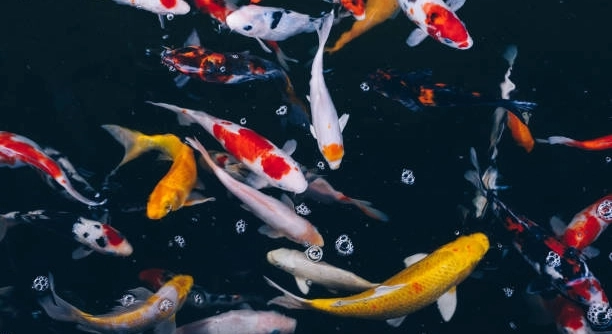
Koi fish are known for their beauty and calm nature. Many koi owners enjoy watching these colorful fish swim peacefully in ponds. Some koi, however, show strong reactions when they detect human scent nearby.
Certain koi display heightened sensitivity to human smell due to their well-developed olfactory senses. This reaction can include swimming quickly toward or away from the source, which is believed to be linked to their instinctual behavior and environmental awareness.
These koi behaviors offer interesting insights into how fish interact with their surroundings. Understanding their reactions helps koi enthusiasts connect better with their aquatic pets.
The Sensory Power of Koi Smell
Koi have a highly developed sense of smell that helps them navigate their environment. Their nostrils, called nares, detect chemical signals in the water. This ability allows koi to find food, avoid predators, and recognize other fish. When humans approach the pond, koi can pick up on subtle scents carried in the water or on the skin. This triggers different responses depending on the fish’s personality and past experiences. Some koi become curious and swim closer, while others swim away quickly. The reaction is often stronger if the human has been using scented lotions, perfumes, or even handling other animals. This sensitivity helps koi stay aware of changes around them. It is fascinating how such simple creatures can detect and respond to smells that are almost invisible to us. Understanding this helps owners create better environments and interact calmly with their koi.
Koi’s sense of smell is essential for their survival and interaction with their surroundings. It shapes much of their behavior in the pond.
Paying attention to koi reactions can reveal a lot about their mood and comfort level. For example, a koi that quickly approaches after smelling a human might be expecting food, while one that darts away may feel threatened. These responses help koi communicate and protect themselves. By learning how koi respond to human scent, owners can avoid startling them and build trust. Over time, koi may even recognize familiar people by their unique smell. This natural sensitivity is part of what makes koi caring rewarding and interesting. It also explains why some koi show stronger reactions than others. Each fish’s reaction is a window into its experience and environment. This knowledge can improve how people interact with these beautiful fish.
Individual Koi with Strong Reactions
Some koi have especially strong responses to human smell. These fish often belong to breeds known for high alertness or active behavior. For example, Kohaku and Showa koi are known to be more reactive in general. These koi may swim rapidly toward a person or hide quickly when sensing a new scent. The strength of their reaction can also depend on how often they interact with humans. Koi that are regularly fed by hand usually show less fear and more curiosity. On the other hand, koi that are not used to human presence might react nervously or aggressively. Understanding these differences helps owners handle koi properly and maintain calm environments. Consistent, gentle interaction can reduce stress for reactive koi.
Recognizing individual koi reactions allows better care tailored to each fish’s personality and needs.
When koi show strong reactions to human smell, it can indicate their comfort level and past experiences. Reactive koi might be more sensitive to changes in water conditions or nearby movements. These fish often act as natural alert systems for the pond, signaling when something unusual happens. Their strong response can also mean they are highly intelligent and aware of their surroundings. Owners can use this knowledge to improve feeding routines or pond maintenance, ensuring less stress for these fish. Careful observation helps prevent startling reactive koi and builds a positive relationship over time. Reactivity to smell is just one way koi express themselves and adapt to their environment. It is important to respect these signals to keep koi healthy and happy.
How Koi Detect Human Smell
Koi detect human smell through water molecules that carry scent particles. Their olfactory system picks up even faint traces, allowing them to identify nearby humans. This detection triggers various responses depending on the fish’s temperament and environment.
The koi’s sense of smell is very sensitive because it helps them survive. Their nostrils lead to receptors that process chemical signals in the water. When humans come near the pond, oils, sweat, or lotions on the skin release tiny particles into the water. Koi quickly notice these changes, which can make them curious or cautious. Some koi will swim closer to investigate, especially if they associate human presence with feeding. Others might see the smell as a warning and move away. This natural ability lets koi respond to changes in their surroundings efficiently.
Because koi live in water, smell travels differently than in air. Water carries scent particles slowly but steadily, giving koi time to react before humans reach the pond edge. This allows koi to prepare by moving closer or hiding. Their ability to detect human scent also helps them recognize frequent visitors, creating a bond over time. Koi that are regularly fed by hand tend to associate human smell with food, making them more likely to approach quickly. This behavior shows how smell plays a big role in koi’s daily life and social habits.
Why Some Koi React Stronger Than Others
The strength of a koi’s reaction to human smell depends on several factors. These include the fish’s breed, personality, and previous experiences with humans. More active or cautious koi show stronger responses.
Koi breeds like Showa or Sanke often react more noticeably to scents because they are naturally alert and active. Individual personality matters too; some koi are bolder and approach humans with curiosity, while others are shy or easily startled. Past experiences influence behavior as well. Koi regularly fed by hand may recognize human smell as a signal for food and react positively. Conversely, koi that have faced stress or threats may react defensively or avoid humans. The environment also plays a role — koi in quiet ponds with less human activity tend to be more cautious and reactive when new scents appear. Recognizing these differences helps in handling koi gently and creating a comfortable habitat for all personalities.
Common Human Smells That Attract Koi
Koi are often attracted to the scent of food on human hands. This smell signals a potential meal. Even faint traces of fish flakes or pellets can catch their attention quickly.
Other scents like lotions, soaps, or perfumes can also provoke strong reactions. These unfamiliar smells may confuse or alarm koi, leading them to swim cautiously or away from the source.
Training Koi to Recognize Human Scent
Koi can learn to associate certain human smells with positive experiences, like feeding time. Consistent, gentle interaction helps koi recognize familiar scents and reduces stress. Regular hand feeding or touching the water near them encourages koi to approach without fear. This practice builds trust and strengthens the bond between koi and their caretakers over time.
Avoiding Stress From Strong Smells
To keep koi calm, avoid strong perfumes or scented lotions when near the pond. These odors may startle sensitive fish and cause unnecessary stress. Wearing unscented products helps maintain a peaceful environment for koi to thrive.
FAQ
Why do some koi swim quickly toward me when I approach the pond?
When koi detect human scent, especially if they associate it with feeding, they often swim quickly toward the source. This behavior shows curiosity and anticipation of food. Koi have excellent smell senses, so they recognize familiar human smells linked to feeding routines. If you often feed your koi by hand, they learn to approach eagerly when they sense you nearby.
Can koi recognize individual humans by smell?
Yes, koi can learn to identify specific humans by their unique scent. Over time, koi form associations between a person’s smell and positive experiences like feeding. This recognition helps koi distinguish regular caretakers from strangers. It builds trust and encourages koi to interact calmly with familiar people.
What smells are harmful or stressful to koi?
Strong perfumes, scented lotions, and soaps can stress koi. These smells are foreign and can cause koi to become nervous or swim away quickly. Chemicals from personal care products may also affect water quality, adding stress to the fish. Using unscented products or rinsing off before pond visits helps keep koi calm and healthy.
How can I help my koi get used to my scent?
Start by spending regular, gentle time near the pond without sudden movements. Feed koi by hand using the same location and method. Over weeks, koi will associate your scent with feeding and safety. Patience and consistency are key. Avoid loud noises or strong smells that could scare them during this process.
Do all koi react the same way to human smell?
No, reactions vary by personality and breed. Some koi are bold and curious, swimming right up to investigate. Others are shy or more cautious, preferring to keep their distance. Breed traits and previous experiences influence how strongly a koi reacts to human scent.
Is it okay to touch koi to build familiarity?
Lightly touching koi can help build trust if done gently and carefully. Always approach slowly and avoid sudden movements. Only touch koi in calm water conditions and never force contact. Many koi enjoy gentle petting, which strengthens their bond with their caretakers.
Why do koi sometimes avoid people completely?
Koi may avoid humans due to past stress or unfamiliarity. Sudden loud noises, predators, or rough handling can cause koi to become fearful. Also, koi raised in quiet environments with little human contact tend to be more cautious. Gradual exposure and gentle care can help reduce this fear.
Can koi smell food on my hands if I don’t feed them?
Yes, koi can detect food scent residues even if you aren’t feeding them at the moment. Oils from fish food on your hands or clothes release particles into the water, attracting koi. This explains why they often swim closer as soon as you approach the pond.
How long does it take for koi to recognize a human by smell?
Recognition time varies but generally takes several weeks of regular interaction. Consistent feeding or gentle presence near the pond helps koi form positive associations with your scent. The longer and more consistent the contact, the faster koi learn to recognize you.
Can human smells affect koi health?
Strong chemicals from perfumes or lotions can harm koi if they enter the water regularly. Some ingredients may alter water quality or irritate fish skin and gills. Keeping personal care products minimal and rinsing before pond visits helps protect koi health. Maintaining clean water and a balanced environment is essential.
Koi fish have a special way of sensing the world around them, especially through their strong sense of smell. This sense helps them react to human presence, often in surprising ways. Some koi quickly swim toward people, while others may shy away or hide. These reactions depend on many things, such as the individual koi’s personality, its breed, and past experiences with humans. Understanding this behavior helps koi owners better care for their fish and create a calm, safe environment. It is important to remember that koi are sensitive creatures and their reactions to human smell are natural responses to what they sense in their surroundings.
When koi recognize human scent, they can become more comfortable around people over time. Regular, gentle interaction—like feeding by hand or quietly sitting near the pond—helps koi learn that human presence is not a threat. This familiarity can build trust, leading to more relaxed and friendly koi. However, it takes patience and consistency. Not all koi will react the same way, and some may always be more cautious. Owners should respect these differences and avoid forcing interaction. Avoiding strong smells like perfumes and lotions near the pond can also help reduce stress for the fish. Keeping their environment peaceful is one of the best ways to encourage positive reactions from koi.
Overall, koi reactions to human smell show how connected they are to their environment. Their ability to detect scents in the water plays a big role in how they communicate and behave. By paying attention to these responses, koi owners can better understand their fish’s needs and feelings. This knowledge leads to better care and stronger bonds between koi and humans. Taking small steps to minimize stress and build trust will create a more enjoyable experience for both the fish and their caretakers. Caring for koi is a rewarding experience when approached with patience and respect for their natural behaviors.

Hello,
If you enjoy the content that we create, please consider saying a "Thank You!" by leaving a tip.
Every little bit helps us continue crafting quality advice that supports the health, happiness, and well-being of pets around the world, for pets of all shapes, sizes, and species.
We really appreciate the kindness and support that you show us!