
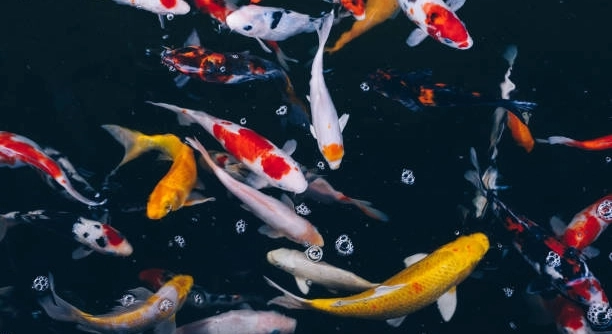
Koi ponds create a peaceful environment where fish can thrive. Many pond owners want to keep their water clear and healthy for their koi. Adding aeration is a simple step to improve the overall pond condition.
Aeration in koi ponds increases oxygen levels, supports beneficial bacteria, and helps maintain water clarity. It prevents harmful gas buildup and promotes a healthy environment for fish growth and well-being. Proper aeration is essential for balanced pond ecosystems.
Knowing why aeration matters can help you make better choices for your pond’s health. Understanding these benefits will guide you in keeping your koi happy and your water clean.
Better Oxygen Supply for Fish and Bacteria
Oxygen is vital for koi fish and the helpful bacteria living in your pond. When the water is still, oxygen levels can drop, causing stress to your fish and slowing down the natural breakdown of waste. Aeration helps by pushing air into the water, increasing oxygen levels evenly throughout the pond. This makes it easier for your koi to breathe and keeps beneficial bacteria active. These bacteria break down harmful ammonia and nitrites that build up from fish waste and leftover food. Without enough oxygen, bacteria cannot work well, leading to poor water quality. Aeration also prevents oxygen-poor pockets at the bottom of the pond where waste can accumulate. This reduces the risk of toxic buildup that can harm your fish. Proper aeration keeps the pond balanced and healthy, helping your koi live longer and stay vibrant.
Aeration improves oxygen levels, supporting fish health and efficient waste breakdown. This balance keeps the pond ecosystem stable.
Maintaining good oxygen flow also reduces odors from decaying matter, making your pond more enjoyable. It prevents the water from becoming stagnant, which can attract unwanted pests and cause algae to grow faster. Aeration devices, like air pumps and diffusers, come in various sizes to fit different ponds. They help move water gently without disturbing your koi. Adding aeration is a simple way to boost pond health, making it a key part of pond care.
Preventing Algae Growth
Algae thrive in water with low oxygen and excess nutrients. When oxygen is well distributed through aeration, algae find it harder to take over your pond. Aeration helps move nutrients around, preventing algae from settling and growing quickly.
Strong aeration creates water movement that disrupts algae buildup on the surface and edges. This keeps the water clearer and healthier. Without aeration, algae blooms can block sunlight and use up oxygen, which harms koi fish. Algae can also make your pond look messy and green, reducing its beauty.
Besides oxygen supply, aeration encourages good water circulation, which helps distribute nutrients evenly and prevents hotspots where algae grow fast. It breaks up surface scum and moves debris to filters or pond edges, making cleaning easier. Aeration also supports the growth of beneficial plants that compete with algae for nutrients, further controlling its spread. Using aeration along with proper pond maintenance is an effective way to manage algae and maintain a clean, attractive koi pond.
Reduces Harmful Gas Build-Up
Aeration helps release gases like carbon dioxide and methane from the pond water. These gases can build up at the bottom and become harmful to koi fish if not removed.
When gases such as carbon dioxide and methane accumulate in still water, they create pockets that reduce oxygen availability. This can stress your koi and cause health problems. Aeration pushes these gases out by circulating the water, allowing fresh oxygen to enter. This process keeps the pond environment safer and more comfortable for your fish. Regular aeration prevents the buildup of these harmful gases, improving overall water quality and fish health.
Additionally, aeration reduces the chance of dangerous gas bubbles forming, which can cause “gas bubble disease” in fish. By keeping water moving and exchanging gases with the air, aeration maintains a healthier balance. This simple step protects your koi and helps your pond stay clean and safe.
Supports Beneficial Bacteria
Beneficial bacteria are crucial for breaking down fish waste and keeping the pond clean. Aeration provides the oxygen these bacteria need to thrive and work efficiently.
These bacteria convert toxic ammonia and nitrites into less harmful nitrates through a process called nitrification. Without enough oxygen, their activity slows, leading to poor water quality. Aeration helps maintain oxygen levels, supporting the bacteria’s life cycle and keeping the pond’s nitrogen cycle balanced. This prevents harmful substances from building up and keeps the environment safe for your koi.
Maintaining strong bacterial activity through aeration also reduces the frequency of water changes and pond cleaning. It creates a natural filtration system that helps control waste and nutrients. Aeration, combined with good filtration, creates a stable and healthy pond ecosystem, making koi care easier and more effective.
Improves Water Circulation
Aeration moves water throughout the pond, preventing it from becoming stagnant. Good circulation helps distribute oxygen and nutrients evenly, which benefits both fish and plants.
Without circulation, debris and waste settle at the bottom, causing poor water quality. Aeration keeps the water moving to avoid this buildup.
Enhances Fish Health and Behavior
Healthy oxygen levels from aeration reduce fish stress and encourage natural behavior like swimming and feeding. Koi thrive in well-oxygenated water, growing stronger and more vibrant. Low oxygen can make fish lethargic and more prone to disease. Aeration helps maintain a stable environment that supports their immune systems and overall well-being.
Reduces Pond Odors
Stagnant ponds often develop unpleasant smells due to waste buildup. Aeration breaks up these areas and helps gases escape, keeping your pond smelling fresh and clean.
What is aeration in a koi pond?
Aeration is the process of adding oxygen to the water by circulating air through it. This is usually done with devices like air pumps, diffusers, or fountains. Aeration helps keep the water moving, increases oxygen levels, and supports a healthy environment for koi and beneficial bacteria.
Why is aeration important for koi ponds?
Koi fish need oxygen to breathe, just like humans. Aeration increases oxygen in the water, which reduces stress and improves fish health. It also supports bacteria that break down harmful waste, helping maintain clear, clean water. Without aeration, ponds can become stagnant, making fish sick and causing algae growth.
How often should I aerate my koi pond?
Aeration should be running as much as possible, especially during warm months when oxygen levels naturally drop. It’s best to run your aeration system 24/7 to keep oxygen levels steady. During colder months, aeration can be reduced, but it should still run to prevent gas buildup and keep water healthy.
Can I aerate a small pond?
Yes, aeration is helpful for ponds of all sizes. Even small koi ponds benefit from better oxygen levels and water movement. You can use smaller air pumps or portable aerators designed for small spaces. Proper aeration improves water quality and fish health regardless of pond size.
Will aeration help reduce algae growth?
Aeration alone won’t completely stop algae, but it helps by improving oxygen levels and water circulation. This makes it harder for algae to settle and grow. Aeration also supports beneficial bacteria and plants that compete with algae for nutrients, which helps keep algae under control.
Can I use aeration instead of a filter?
Aeration is not a replacement for a filter. Filters remove debris and harmful substances mechanically and biologically, while aeration increases oxygen and circulation. Both systems work best together to maintain a healthy pond. Aeration supports the filter’s bacteria and improves overall water quality.
What types of aeration devices are available?
Common devices include air pumps with diffusers, which release tiny bubbles; fountains, which add oxygen and create water movement; and waterfalls, which oxygenate water as it flows. The right device depends on your pond size, setup, and budget. Many ponds use a combination of these for best results.
Can aeration cause stress to koi fish?
Proper aeration generally does not stress koi. Gentle bubbles and water movement are natural and beneficial. However, very strong currents or noisy pumps placed too close to fish may cause discomfort. It’s important to choose the right aeration system and install it carefully to avoid disturbing your koi.
How do I know if my pond needs more aeration?
Signs include sluggish or gasping fish, cloudy or smelly water, algae blooms, and dead spots where debris collects. If you notice any of these, your pond likely needs better oxygen flow. Testing dissolved oxygen levels can also help determine if aeration is sufficient.
Is aeration expensive to run?
Aeration costs depend on the type and size of the system and electricity prices. Small air pumps use little power and cost only a few dollars per month to run. Larger systems may use more electricity, but the benefits to fish health and water quality often outweigh the cost. Efficient equipment can keep costs low.
Can aeration prevent fish diseases?
Aeration supports fish health by maintaining good oxygen levels and reducing stress. Healthy fish are less likely to get sick. While aeration alone won’t cure diseases, it helps create a strong, balanced environment that makes it easier for koi to resist infections and recover if they get sick.
When should I avoid aeration?
Aeration is generally safe year-round but can be reduced in winter when koi are less active and oxygen demand is lower. In very small ponds, strong aeration might disturb fish, so use gentle systems. Avoid aeration if it causes excessive water splashing or noise that stresses the fish.
How do I maintain an aeration system?
Regularly check your air pumps, tubing, and diffusers for wear or blockages. Clean diffusers to keep bubbles fine and consistent. Replace worn parts as needed. Keeping your system in good shape ensures continuous oxygen flow and prevents breakdowns that could harm your pond.
Can aeration help during hot weather?
Yes, warm water holds less oxygen, which can stress koi. Aeration adds oxygen and moves water to prevent hot spots where oxygen gets low. This helps fish stay healthy during summer heat and reduces the risk of oxygen depletion.
Does aeration affect water temperature?
Aeration itself doesn’t cool water much, but increased circulation can help distribute heat more evenly. Moving water prevents stagnant warm pockets that can harm fish. Some aeration devices like fountains create surface ripples that encourage cooling through evaporation.
Is it hard to install aeration equipment?
Most aeration systems are simple to install. Air pumps sit outside the pond, connected to tubing and diffusers placed underwater. Some devices like fountains may need power nearby. Basic tools and instructions usually make setup easy, but professional help is available for complex ponds.
Can aeration improve pond clarity?
Yes, aeration promotes beneficial bacteria that break down waste particles and prevent debris buildup. Moving water stops sediment from settling, which keeps the pond clearer. Aeration also reduces algae growth that can cloud the water.
Will aeration help plants in my koi pond?
Aeration boosts oxygen levels around plant roots and improves nutrient circulation. This helps aquatic plants grow healthier and compete better against algae. Healthy plants improve pond balance and provide shelter and food for koi.
How loud is an aeration system?
Most air pumps and diffusers run quietly, producing only a soft bubbling sound. Some fountains or waterfalls may be louder but add a calming water noise. Choosing quiet equipment and placing pumps away from living areas can reduce noise disturbance.
What happens if I turn off aeration suddenly?
Turning off aeration can cause oxygen levels to drop quickly, stressing fish and slowing bacteria. In warm or crowded ponds, this can lead to poor water quality and even fish deaths. It’s best to keep aeration running continuously or make changes gradually.
Adding aeration to your koi pond is a straightforward way to improve its health and balance. By increasing oxygen levels, aeration supports your koi fish and the beneficial bacteria that keep the water clean. This simple step helps prevent problems like algae overgrowth, harmful gas buildup, and poor water circulation. Aeration keeps the pond environment stable, which is important for the well-being of your fish and the overall pond ecosystem.
Aeration also plays a role in making your pond look and smell better. When water is properly oxygenated and moving, it reduces the chance of foul odors and keeps the water clearer. This creates a more pleasant space where you can enjoy watching your koi. Good circulation spreads nutrients evenly and prevents debris from settling at the bottom, making maintenance easier. With aeration, you are helping the natural processes that maintain a healthy pond, so you don’t have to rely as much on manual cleaning or water changes.
Choosing the right aeration system and running it consistently can have lasting benefits for your pond. Even though aeration requires a small investment of time and energy, it helps prevent many common issues that can stress your fish and harm water quality. With steady oxygen flow, your koi will be healthier, more active, and less prone to disease. In the long run, aeration helps you create a balanced, thriving environment where your koi can flourish year-round.

Hello,
If you enjoy the content that we create, please consider saying a "Thank You!" by leaving a tip.
Every little bit helps us continue crafting quality advice that supports the health, happiness, and well-being of pets around the world, for pets of all shapes, sizes, and species.
We really appreciate the kindness and support that you show us!