
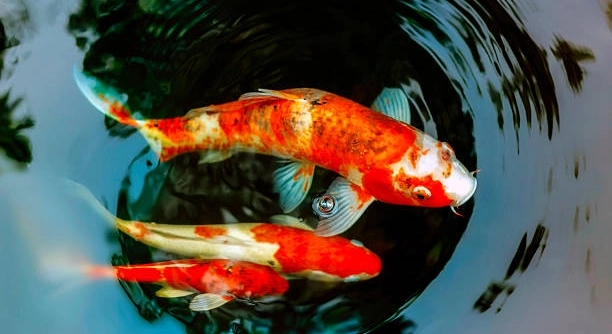
Have you ever noticed one of your koi fish behaving differently from the rest, doing things that just seem out of place?
Some koi fish display behaviors that break the typical social norms seen in ponds. These include isolation, aggression, attention-seeking, or forming unusual bonds. Such traits can be influenced by genetics, environment, or past experiences.
Each koi on this list challenges what we think we know about pond life, bringing unique behaviors that may surprise you.
The Koi That Prefers Solitude
Most koi enjoy swimming in groups, often forming loose schools. But some koi show a clear preference for solitude. These koi will spend most of their time in corners or under ledges, avoiding interaction. This behavior can happen in large or small ponds and isn’t always linked to illness or stress. Some solitary koi simply appear more relaxed when away from others. They eat normally, respond to feeding times, and maintain good color and energy levels. Their physical health may be perfect, but their behavior stands apart. Environmental factors, such as strong current areas or excessive crowding, can also lead a koi to retreat. If water quality and health checks rule out problems, their desire for solitude could be their natural temperament. This difference may stand out in a pond full of active, social koi, but it doesn’t mean something is wrong. Some koi simply enjoy keeping to themselves.
It can be easy to assume this behavior is a sign of illness, but that’s not always the case.
Solitary koi often still interact during feeding but return to their favorite quiet spots soon after. If their activity level and appetite remain steady, there’s no reason to be alarmed. They just like space.
The Aggressive Koi That Won’t Share
Aggression in koi isn’t common, but it does happen. In most cases, koi are peaceful, showing only minor shoving during feeding. However, some individuals go beyond that, constantly chasing or nipping at others.
Koi that act this way can disrupt pond balance, especially in smaller environments with fewer hiding spots. Aggressive behavior may develop due to territorial instincts, a need to establish dominance, or simply as a result of overexcitement. It’s most noticeable during feeding or breeding seasons. When food is added, the aggressive koi may push others aside or even bite fins. This can lead to injuries and stress in the rest of the pond. Providing more feeding stations and shelter can help reduce the behavior. In severe cases, moving the aggressive koi to a separate area may be needed. While not typical, this behavior doesn’t always reflect poor care. Some koi just have more dominant personalities and need different management.
The Koi That Thinks It’s a Turtle
Some koi develop odd habits like sunbathing near the surface on flat rocks or shallow shelves, mimicking turtle behavior. This isn’t common, but it can stand out in a pond with deeper swimming fish.
These koi will often rest near the top during warmer daylight hours, sometimes staying still for long periods. They may choose the same spot daily, especially if the area is warm and calm. While it may seem like laziness or illness, these koi often swim normally once disturbed and show no other signs of distress. It’s not always about warmth either—some just appear to enjoy the surface more than others. As long as water conditions are healthy and the koi shows no sign of fin clamping, pale color, or lack of appetite, the behavior is usually harmless. They’ve simply developed a habit that’s outside the usual koi routine.
This behavior can be encouraged by shallow zones in the pond. Wide ledges or plant-covered platforms seem to attract koi that favor this “basking.” If you’re noticing more koi doing this, it might mean they’re responding to comfort or safety cues in that part of the pond. It’s not something to be corrected unless it starts affecting their eating or movement.
The Koi Obsessed With Humans
Some koi go beyond recognizing their owners—they actively seek out attention. These koi often wait by the edge when someone approaches and may even follow movement along the pond’s perimeter.
Unlike most koi, which associate humans mainly with feeding, these individuals seem to enjoy interaction even when no food is involved. They often swim in circles, make eye contact, and may let themselves be touched. This can be surprising if you’re used to koi that stay skittish or distant. The behavior could be reinforced over time, especially if the koi has been handled or interacted with since it was small. These koi sometimes show signs of excitement, such as tail wagging or fast swimming, when people come near. While this behavior is rare, it’s not unheard of and usually comes from trust, familiarity, or early bonding. They may also be more curious by nature.
The Koi That Swims Upside Down
This koi often floats belly-up but still moves normally and eats without any issues. It can look alarming, but not all upside-down swimming is caused by sickness.
Some koi develop this habit due to swim bladder quirks or minor buoyancy shifts. If no other symptoms are present, it’s likely harmless.
The Koi That Hangs With Goldfish
This koi prefers spending time with goldfish over other koi. It may follow them closely, copy their movements, or rest beside them more often than with its own kind.
The behavior might develop in mixed-species ponds where koi are raised alongside goldfish from a young age. Bonding can happen across species lines, especially if the koi feels more comfortable with the smaller, less dominant goldfish. This koi may also avoid larger, more assertive koi and choose goldfish for calmer company. It’s not something that needs correcting, as long as both species are healthy and eating well. Social preferences vary even among fish.
The Koi That Sleeps Like a Log
This koi rests completely still at the bottom, showing almost no movement. It stays like that for long periods but perks up instantly during feeding.
FAQ
Why do some koi behave so differently from the rest?
Koi, like many animals, have individual personalities. While most follow similar behaviors, some will act in ways that seem unusual. These behaviors can come from early experiences, genetics, or the layout of the pond. Some koi are naturally more curious or shy. Others may have had different interactions while young, like being raised with other species or handled often. It’s also possible that a koi is reacting to environmental cues like lighting, temperature, or water movement. Unless the koi is sick or stressed, different behavior is usually just a sign of individuality—not a problem.
Can koi really bond with goldfish or other fish?
Yes, koi can form loose bonds with goldfish, especially if they’ve been raised together. Koi are social, but they don’t always limit their interaction to just other koi. When housed with goldfish in the same space, some koi may feel more at ease with them due to their calmer nature. Koi that are more passive might avoid the larger koi and stay closer to smaller fish. This type of social behavior is shaped more by comfort and familiarity than species alone. As long as they’re healthy and not being bullied, this is nothing to worry about.
Is an upside-down koi always a sick koi?
Not always. Upside-down swimming is often linked to swim bladder issues, which can be serious if left untreated. However, in some cases, koi develop a harmless variation in how they float, especially if they eat quickly or take in too much air. If the koi is swimming, eating, and behaving normally otherwise, it might not be a sign of illness. Still, it’s a good idea to monitor for other symptoms like bloating, clamped fins, or refusal to eat. If those signs appear, then a health issue could be involved. Otherwise, it could just be an odd habit.
Why would a koi choose to be alone all the time?
Some koi prefer being alone due to personality. Not every koi is social. While koi generally enjoy swimming in groups, there are exceptions. A koi might avoid the group because it feels stressed by too much movement, or it may simply like quieter areas of the pond. If it eats well, has good coloration, and swims normally, being alone isn’t a red flag. Just like people, some koi need space. You may also notice they still engage briefly during feeding, then go back to their spot—that’s fairly typical for independent koi.
Do koi really enjoy human interaction, or are they just waiting for food?
Most koi associate humans with feeding, but some seem to genuinely enjoy interaction. These koi swim to the surface even when there’s no food, follow people around the pond’s edge, and may even let you touch them. This behavior usually comes from early handling or being raised in a calm, interactive environment. Over time, koi can learn to recognize people and may even show excitement at seeing them. While food is a strong motivator, the most social koi often show signs of interest outside feeding times, suggesting a desire for contact or curiosity.
What should I do if one koi is bullying the others?
If a koi is chasing, nipping, or dominating others often, it may be time to adjust your pond setup. First, check if the pond is too small or crowded. Limited space and hiding spots can cause territorial behavior. Add more plants or structures to break up sight lines. Try spreading food across several spots to reduce competition. If the aggression continues, you may need to temporarily separate the aggressive koi. In rare cases, some koi just need more space or fewer distractions. Managing the environment often helps lower tension and restores calm.
Final Thoughts
Koi are known for their beauty and grace, but they are also full of surprises. Not every koi will act the same, and that’s part of what makes them interesting. Some swim alone, some follow goldfish, and a few even seem to enjoy being around people more than other fish. These differences can catch you off guard, especially if you’re used to koi behaving a certain way. But in many cases, the behavior is not a problem. It just means the koi has its own way of doing things. As long as they are healthy, eating, and swimming well, unusual behavior often isn’t a cause for concern.
It helps to observe your koi regularly so you can notice changes early. If a koi starts acting differently, take a moment to check water quality, food habits, and physical appearance. Look for signs like clamped fins, loss of color, or low energy. These may point to stress or illness. But if the koi seems active and alert, it might just be showing a unique personality. Koi can respond to small changes in their environment, including temperature, light, and even noise. Some koi will adjust by finding a quiet corner or hanging out with different fish. Others may begin to show new habits over time, especially if the pond layout changes.
Understanding that koi can have their own behaviors helps you care for them better. It allows you to support their needs without rushing to fix something that isn’t actually wrong. It also makes your time watching them more enjoyable. You’ll start to notice small details about how they interact, rest, or explore. These moments can be just as rewarding as watching them swim in perfect formation. A koi that breaks the social norms isn’t a problem—it’s a reminder that no two fish are exactly alike. Paying attention, keeping their environment stable, and letting them be themselves will go a long way in keeping your pond balanced and your koi happy.

Hello,
If you enjoy the content that we create, please consider saying a "Thank You!" by leaving a tip.
Every little bit helps us continue crafting quality advice that supports the health, happiness, and well-being of pets around the world, for pets of all shapes, sizes, and species.
We really appreciate the kindness and support that you show us!