
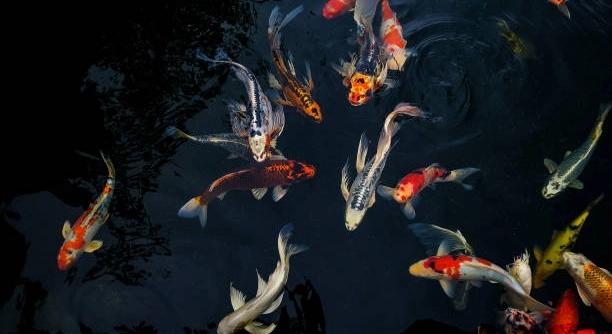
Koi fish are beautiful creatures often seen swimming peacefully in garden ponds. Many people notice that these fish tend to stay on one side of the pond for long periods. Understanding why they behave this way can help pond owners care for them better.
Koi fish often stick to one side of the pond due to factors like water temperature, oxygen levels, shelter availability, and feeding habits. These environmental conditions influence their comfort and safety, guiding where they prefer to swim and rest.
Learning about these reasons will help you create a healthier environment for your koi. This knowledge can improve both their well-being and your enjoyment of the pond.
Reasons Koi Fish Favor One Side of the Pond
Koi fish often prefer one side of the pond because of several environmental factors. One key reason is temperature. Water on one side may be warmer or cooler depending on sunlight exposure, making that side more comfortable. Another reason is oxygen levels. Water movement near filters or waterfalls increases oxygen, attracting koi. Shelter also matters; koi like to stay near plants, rocks, or shaded areas for protection from predators and strong sunlight. Feeding habits influence their location as well—if food is regularly dropped on one side, the fish learn to stay there. Lastly, water quality can vary slightly in different areas, causing koi to pick their preferred spots. Understanding these factors can help in creating a balanced pond where koi feel safe and thrive.
Koi fish adjust their location based on comfort, safety, and food availability. These factors shape their behavior consistently.
Recognizing these influences can improve how you set up your pond. Small changes like adding plants or adjusting water flow can encourage koi to explore more of the pond. This not only benefits the fish but also enhances the pond’s visual appeal.
How Water Conditions Affect Koi Behavior
Water conditions greatly impact where koi choose to swim. Koi need clean, well-oxygenated water to stay healthy and active.
Water temperature plays a big role. In colder weather, koi move to deeper, warmer areas. In warmer months, they stay in cooler spots. Oxygen levels depend on water circulation; areas near pumps or waterfalls have more oxygen, making these spots attractive. Low oxygen zones can cause koi to avoid certain parts. pH and cleanliness also influence koi comfort, as poor water quality stresses them. By maintaining stable water conditions, koi remain more evenly distributed and less stressed. Proper filtration and aeration systems are essential in keeping the pond balanced.
Regular water testing and adjustments help maintain good conditions. This ensures koi remain healthy and move freely throughout the pond, improving their overall well-being and your enjoyment.
Feeding Habits Influence Koi Location
Koi quickly learn where food is usually offered. This often makes them stay on one side of the pond near feeding spots.
Feeding regularly on the same side trains koi to gather there, expecting meals. This behavior creates a routine that koi find comforting. If food is scattered evenly, koi tend to explore more. However, many pond owners feed fish from a single spot for convenience, which encourages koi to stay nearby. Over time, this habit shapes their movement patterns, causing them to favor that area regardless of other factors.
Changing feeding locations occasionally can encourage koi to swim around more. This helps keep them active and prevents overcrowding in one spot, which benefits their health and the pond’s ecosystem.
Shelter and Safety Preferences
Koi seek shelter for protection from predators and harsh sunlight. They prefer shaded or planted areas that feel safe.
Shelter provides koi with comfort and security. Natural hiding spots like water plants, rocks, or underwater structures allow them to avoid stress. Without adequate shelter, koi may cluster where they feel protected, often on one side of the pond. Sunlight exposure also affects their preference, as koi avoid strong light during hot days. Providing diverse shelters throughout the pond encourages koi to spread out. This not only reduces competition but also makes the pond environment healthier and more natural. Thoughtful placement of plants and decorations plays an important role in koi behavior and well-being.
Water Temperature and Sunlight
Koi prefer warmer water, so they often stay where the sun warms the pond. Cooler areas may be less inviting, especially in colder months.
Sunlight affects not only water temperature but also koi comfort. Too much direct sun can make koi seek shaded spots. Their location shifts with changing light and temperature throughout the day.
The Role of Pond Design
The way a pond is designed impacts koi movement. Features like depth, plants, and water flow create zones that koi favor. Deep areas offer refuge during cold weather, while shallow spots warm up faster. Water flow influences oxygen distribution, guiding where koi swim. Proper pond layout can encourage koi to use the whole space rather than sticking to one side.
Social Behavior of Koi
Koi often swim together, preferring to stay near their group. This social behavior also influences which side they favor.
Why do koi fish stick to one side of the pond?
Koi often stay on one side because that area usually offers better conditions. It could be warmer water, higher oxygen levels, or better shelter. If food is regularly dropped on one side, koi will stay there expecting meals. Water flow, sunlight, and safety from predators also make one side more attractive. These combined factors create a comfortable zone where koi feel secure and well-fed.
Is it normal for koi to stay in one spot for hours?
Yes, koi can stay in one place for long periods if they find it comfortable. They may rest in warm water or near plants for shelter. Staying still helps them save energy, especially in cooler weather. If they seem healthy and active at feeding time, resting in one spot is usually nothing to worry about.
Can changing the feeding location encourage koi to explore the entire pond?
Absolutely. Feeding koi in different spots encourages them to swim around and explore. It prevents overcrowding and helps maintain better water quality. Try scattering food instead of dropping it in one spot. This simple change promotes natural foraging behavior and keeps koi more active.
Does water temperature affect koi movement in the pond?
Yes, water temperature is a major factor. Koi prefer warmer water and will move to warmer areas during cold seasons. In summer, they might seek cooler, shaded spots. Temperature changes influence their metabolism, activity level, and comfort, so they adjust their location accordingly.
How does oxygen level impact where koi swim?
Koi need oxygen-rich water to thrive. Areas near waterfalls, filters, or fountains usually have more oxygen. Koi tend to stay near these spots to breathe easier. If oxygen is low in parts of the pond, koi avoid those areas to reduce stress and improve their health.
Why do koi prefer shaded areas?
Shaded areas protect koi from harsh sunlight, which can cause stress or overheating. Shade also offers shelter from predators and creates a sense of safety. Koi often gather near plants or under structures where they feel hidden and comfortable.
Can poor water quality cause koi to stick to one side?
Yes. If one side has cleaner water or better circulation, koi will stay there. Poor water quality can stress koi and make them avoid certain parts. Regular maintenance, including cleaning and water testing, helps keep the entire pond healthy and encourages koi to spread out.
Does pond design influence koi behavior?
Definitely. A well-designed pond with varied depths, plants, and water flow creates more comfortable zones for koi. Deep areas provide refuge in cold weather, while shallow spots warm quickly. Good circulation increases oxygen, attracting koi to different parts. Thoughtful design supports koi health and encourages balanced movement.
Are koi social creatures that swim together?
Yes, koi are social and like to swim in groups. They feel safer in numbers and often stick close to their companions. This group behavior can cause them to favor one side if most of the group gathers there. Providing enough space and shelter encourages natural social interactions.
What can be done if koi only stay on one side and the pond seems unbalanced?
If koi cluster too much on one side, check water quality, temperature, and oxygen levels across the pond. Add aeration or circulation devices if needed. Change feeding locations and add plants or shelters to other areas. Improving pond conditions encourages koi to use the entire space, promoting better health for the fish and the pond ecosystem.
Koi fish often choose to stay on one side of the pond because that area meets their basic needs best. Factors like water temperature, oxygen levels, food availability, and shelter all play a role in their preference. When these conditions are right, koi feel comfortable and safe. This behavior is natural and shows how sensitive koi are to their environment. Understanding these reasons helps pond owners take better care of their fish and create a balanced, healthy habitat. It’s important to remember that koi are always looking for comfort, and the side they choose reflects where they find it.
Maintaining good water quality throughout the pond is essential to encourage koi to explore and swim freely. If one side has better oxygen or cleaner water, koi will spend more time there. Regular pond maintenance, like cleaning filters and testing water, can improve conditions in all areas. Adding plants, rocks, and shaded spots on different sides of the pond also helps koi feel secure in more places. Changing feeding habits by offering food in various spots can motivate koi to move around instead of clustering. Small adjustments make a big difference in how koi behave and how healthy they remain.
Watching koi stay on one side of the pond can be interesting, but it also signals what they need. By paying attention to their habits, pond owners can learn a lot about the environment they provide. Simple changes in pond design, water care, and feeding routines can improve koi well-being. These fish bring calm and beauty to any space, so making sure they have a comfortable home is important. Taking steps to balance the pond environment will keep koi happy and healthy for years to come.

Hello,
If you enjoy the content that we create, please consider saying a "Thank You!" by leaving a tip.
Every little bit helps us continue crafting quality advice that supports the health, happiness, and well-being of pets around the world, for pets of all shapes, sizes, and species.
We really appreciate the kindness and support that you show us!