
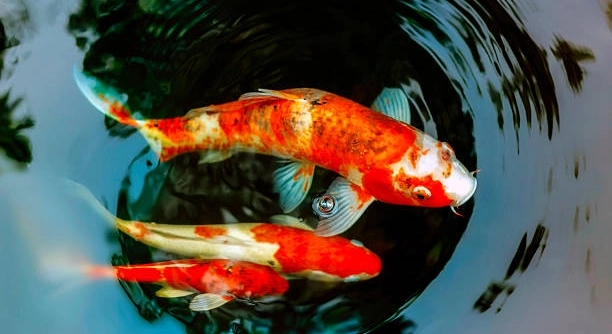
Are your koi fish often swimming around restlessly, ignoring the treats or toys you’ve placed in their pond? Understanding what truly grabs their attention can make their environment more engaging and enjoyable.
Koi are attracted to movement, color contrast, familiar sounds, surface ripples, food-related cues, light reflections, and routine interactions. These stimuli stimulate their natural curiosity and can influence their behavior, especially in controlled pond environments.
Learning what stimulates your koi helps create a more enriching habitat, encouraging interaction and reducing stress. These seven factors can support their well-being and make your pond livelier and more enjoyable to observe.
Movement Draws Their Eyes
Koi are naturally drawn to movement in their environment. Whether it’s a leaf drifting across the surface or another fish swimming by, movement catches their attention quickly. This sensitivity helps them detect food, predators, and changes in their surroundings. Introducing objects like floating toys or slow-moving water features can keep them engaged. Even something as simple as your hand skimming the water can bring them closer. Koi associate motion with feeding time, making them highly responsive to anything that disrupts stillness. Consistent interaction through movement can also help them recognize you over time. When they become familiar with your presence, they may even swim toward you in anticipation. This behavioral pattern highlights how important motion is to maintaining their interest and alertness in a pond setting.
Start by watching how your koi respond to slow, consistent hand movements. This simple step helps reinforce their positive association with gentle motion.
Light ripples, swaying plants, and waterfall currents all add a dynamic quality to their habitat. If your pond looks too still, koi may appear less interactive or curious. The goal is not to overstimulate but to create areas of soft, engaging movement. A subtle change in water flow or surface activity goes a long way. You can also add a bubbler or a slow dripper that keeps the water gently disturbed without making the pond too turbulent. These enhancements mimic natural patterns koi would notice in the wild, encouraging healthy alertness and responsiveness. Movement that varies throughout the day—like light breezes or feeding rituals—also helps keep things interesting. The more enriching the environment, the more attentive your koi will become. Pay attention to how they move through the space and adjust accordingly for balance.
Colors Spark Curiosity
Koi are visually sensitive and notice bright, contrasting colors right away. Anything new and bold—such as colorful fish-safe decorations or unique pond accessories—can grab their attention quickly.
Using floating toys in red, yellow, or orange often gets a quick reaction from koi. They recognize bold colors, especially ones associated with feeding, and tend to investigate. If you’re hand-feeding your koi, wearing bright gloves or holding colored containers can help them focus more easily on the source. When placing decorations or objects near the pond, try to switch them up occasionally to keep the area visually stimulating. Koi can get used to static objects, but a fresh addition with high contrast will always trigger a response. Seasonal changes can also provide natural color variations, especially with plants. Choose water-safe elements that contrast against the dark pond background, and you’ll notice your koi reacting faster and with more interest.
Familiar Sounds Trigger Reactions
Koi recognize routine sounds linked to feeding and care. They often react to footsteps, bucket lids, or water pouring if they associate it with food. Repeating the same sounds helps create familiarity and builds trust over time.
Koi have no external ears, but they can detect vibrations and changes in water pressure. They sense sounds through internal structures that help them interpret specific patterns. When you consistently feed them at the same time and place, they begin to associate familiar noises—like the splash of pellets or your footsteps—with food. This recognition forms habits, making them more responsive and focused. Avoid sudden, loud disturbances, as these may cause stress or make them hide. Gradual, repeated exposure to soft sounds is key. Over time, koi may start swimming to the surface when they hear you approach, expecting interaction or a treat. Their memory helps them remember these cues easily.
Keep the feeding routine consistent and use the same container or movement each time. This predictability makes koi more alert to subtle sound cues. If you use a bell, tap, or specific word before feeding, they will quickly link it with mealtime. Some koi even show signs of excitement, swimming in circles or rising to the surface. Repetition builds trust. In contrast, irregular feeding and inconsistent sound signals can confuse them, making them less responsive. Also, try not to overstimulate them with too many overlapping noises in their environment, especially from filters, pumps, or nearby activity. Keeping a balance helps koi stay relaxed but alert. The right sound patterns can strengthen their bond with you.
Surface Ripples Draw Attention
Koi quickly notice disturbances on the water’s surface. Small ripples or splashes signal food, movement, or possible changes in their environment. These reactions are instinctive and help them stay aware of what’s happening above.
Even a single drop or a floating insect can create enough movement to catch their eye.
Food-Related Cues Are Strong Triggers
Feeding time is one of the strongest ways to capture a koi’s attention. They quickly associate specific sights, sounds, and motions with food. The sound of a container opening, shadows falling on the water, or the motion of your hand above them are enough to spark excitement. Koi can recognize feeding routines and develop predictable responses, often swimming up before food even touches the water. Over time, this conditioning becomes stronger, making it easier to engage with them regularly. Using the same cues during each feeding helps reinforce their memory. Clear, repetitive behavior strengthens trust and encourages your koi to respond more actively.
Light Reflections Keep Them Engaged
Sunlight bouncing on the water’s surface can hold a koi’s attention. These reflections create movement and contrast, which koi naturally follow. Their eyes are drawn to shifting light patterns, especially during calm, bright parts of the day.
FAQ
Can koi recognize their owners?
Yes, koi can recognize their owners over time. They use visual and sensory cues, including your shape, color of clothing, and consistent movement patterns. Repeated exposure helps koi remember and distinguish you from others. If you approach them regularly, they may swim toward you expecting food or interaction. Koi may not recognize you in the same way a dog might, but they associate your presence with comfort, routine, and feeding. Over time, they respond more confidently and stay closer to the surface when you’re nearby.
Do koi respond better to colors or shapes?
Koi are more responsive to movement and contrast than specific colors, but bright or unusual colors can catch their attention quickly. They notice shapes and motion near the water’s surface and will respond faster to high-contrast patterns. While koi can distinguish some colors—especially red, white, and black—shapes that move in a familiar way, like a feeding hand or container, have a stronger influence. The contrast between your clothes and the background also plays a role. If you feed them in the same outfit or color regularly, they may associate that color with food.
Why do koi swim away when I approach?
Koi may swim away due to sudden movements, unfamiliar sounds, or lack of routine. If they’re not used to your presence or if their environment is noisy or stressful, they’ll react with caution. It takes time to build trust. Try to approach them slowly and avoid shadows falling directly over them. Consistent feeding and gentle handling help reduce fear. Avoid changing their environment too often. Even slight changes in lighting, background noise, or water disturbance can affect their comfort level. With patience and consistency, they’ll become more familiar with your approach.
Can koi hear me talking to them?
Koi cannot hear human speech in the same way we do, but they can detect vibrations from your voice and movements. The tone, rhythm, and sound patterns can become familiar if repeated often. If you talk softly while feeding or walking near the pond, they may begin to associate your voice with food or calm behavior. Loud or sudden noises should be avoided. While they may not understand words, koi can pick up on tone and patterns, especially if those sounds are tied to daily routines. It helps to speak gently and consistently during interactions.
What time of day are koi most alert?
Koi are generally more alert during early morning and late afternoon when water temperatures are stable and light conditions are moderate. They are less active during the hottest part of the day or when water temperatures fluctuate. Feeding them during their alert periods improves interaction and strengthens recognition. Avoid feeding when the water is too cold or too warm. During colder months, their metabolism slows down, and they become less responsive. Timing routines around their natural rhythm encourages better engagement and reduces stress. Stick to consistent times to support their feeding habits and attention span.
How do koi react to new objects in their pond?
Koi are naturally curious but cautious. When a new object is placed in their pond—such as decorations, equipment, or plants—they will usually observe it from a distance before approaching. If the object is bright or reflects light, it may attract more attention. Loud or moving objects may cause them to hide. Once they realize the object poses no threat, they may inspect it more closely. It helps to introduce new items gradually and observe their reaction. Avoid overcrowding the space, as too many new things at once can cause confusion or stress.
Do koi need mental stimulation?
Yes, koi benefit from mental and physical stimulation, especially in well-maintained and enriched environments. Floating toys, mirrors, and gentle water currents can keep them engaged. Consistent interaction through feeding routines, gentle training, or environmental changes helps keep them alert. Enrichment prevents boredom and supports healthy behavior. While they do not need constant activity, varied and predictable interaction improves their responsiveness. Try introducing safe objects or changes slowly and observe what holds their interest. Interaction with you, along with a stable pond setup, forms the foundation of both trust and attention.
Final Thoughts
Understanding what catches a koi’s attention helps create a peaceful and engaging environment for them. These fish are more aware of their surroundings than many people realize. Movement, light, sounds, and feeding patterns all play a role in shaping their behavior. When you know how koi respond, you can interact with them in a way that feels more natural and less stressful. Small actions like approaching slowly, feeding at the same time each day, or using familiar objects can make a noticeable difference in how they react. Over time, your koi may begin to recognize you and feel comfortable with your presence.
Routine is one of the most important factors in gaining a koi’s attention. They respond well to familiar sounds, visual patterns, and repeated behaviors. If you feed them at a certain time every day, they may start to gather near the surface when that time comes. If you wear bright clothing or carry the same container while feeding, they may associate those things with food. These habits help build a simple connection based on consistency. This kind of interaction isn’t just rewarding for the fish—it can also create a calming, enjoyable experience for you as their caretaker.
Caring for koi means being patient and observant. They each have their own behavior patterns, and what works for one fish may not work for another. Watching how they respond to different stimuli—such as your voice, a new plant, or a moving shadow—can teach you more about what makes them feel safe or curious. Providing a balanced mix of familiarity and gentle stimulation keeps them mentally active without overwhelming them. Paying attention to these details shows respect for their natural instincts and helps create a space where they can thrive. Koi may not communicate with words, but through their movement and response, they show when they feel secure and when something needs to change.

Hello,
If you enjoy the content that we create, please consider saying a "Thank You!" by leaving a tip.
Every little bit helps us continue crafting quality advice that supports the health, happiness, and well-being of pets around the world, for pets of all shapes, sizes, and species.
We really appreciate the kindness and support that you show us!