
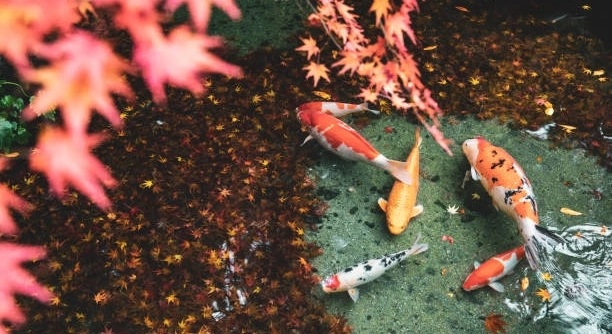
Feeding koi fish properly is important for their health and growth. Knowing the right time to feed them helps maintain a balanced environment in the pond. Many koi keepers want to ensure their fish get the best care possible.
The best time to feed koi fish is usually in the morning and late afternoon when the water temperature is moderate. Feeding during these times supports digestion and reduces waste buildup, promoting a healthier pond ecosystem and better fish wellbeing.
Following the right feeding schedule can improve koi vitality and pond cleanliness. This article explains how timing influences koi nutrition and overall pond health.
Why Timing Matters When Feeding Koi Fish
Feeding koi fish at the right time is essential for their health and the pond’s balance. Koi are cold-blooded animals, so their metabolism depends on the water temperature. When the water is too cold, their digestion slows down, and feeding them can lead to wasted food and poor water quality. On the other hand, feeding koi during the warmer parts of the day encourages better digestion and nutrient absorption. Feeding early in the morning and late in the afternoon is ideal because temperatures are moderate, reducing stress on the fish and the pond environment. Consistent feeding times also help koi develop a routine, which can improve their overall wellbeing. By paying attention to timing, you help prevent overfeeding and reduce harmful waste buildup that can lead to algae growth or water contamination. This creates a cleaner and healthier environment for your koi to thrive.
Feeding koi during peak heat hours should be avoided. Extreme temperatures can upset digestion and cause health problems.
Proper timing ensures koi receive the nutrients they need without risking water quality. A well-timed feeding schedule supports long-term fish health and a balanced pond ecosystem.
How Water Temperature Affects Feeding
Water temperature is the key factor that determines when koi should be fed. Koi metabolism speeds up as water warms and slows down as it cools. Generally, koi are most active between 59°F and 77°F (15°C to 25°C). Below this range, their digestion is too slow to process food efficiently. Feeding koi in cold water often results in uneaten food sinking to the bottom, which decomposes and pollutes the pond. During the colder months, it is best to reduce feeding frequency or stop feeding altogether if temperatures drop below 50°F (10°C). In warmer weather, koi eat more actively and require more frequent feedings. Monitoring water temperature regularly helps determine the best feeding times and amounts. This careful approach prevents overfeeding and keeps water conditions stable. Consistent water temperature readings allow you to adjust feeding habits in response to seasonal changes, maintaining koi health throughout the year.
Best Feeding Practices for Koi Fish
Feed koi small amounts two to three times daily during warm months. Overfeeding can harm water quality and fish health. Use high-quality koi pellets designed for their dietary needs.
Consistent feeding times encourage koi to develop a routine. Remove any uneaten food after 10–15 minutes to prevent water contamination. Adjust feeding frequency and portions based on seasonal changes and koi activity levels. During colder months, reduce feedings and switch to wheat germ-based food for easier digestion. Feeding koi at the right intervals promotes healthy growth and prevents obesity, which can lead to illness.
Avoid sudden changes in diet to prevent digestive upset. Introducing new foods gradually allows koi to adjust. Monitoring koi behavior after feeding helps detect health issues early. Proper feeding supports koi immune function and vibrant coloration.
Signs Your Koi Are Hungry or Overfed
Koi show hunger by swimming eagerly near the surface and following movement around the pond. They often open their mouths and appear alert during feeding times.
Overfed koi may display sluggishness, bloating, or floating near the surface. Excess uneaten food causes water cloudiness and odor problems. Monitoring feeding behavior helps adjust portions accordingly. Proper observation ensures koi maintain a healthy balance between energy intake and activity. Recognizing these signs early helps maintain good water quality and fish wellbeing. Regular pond maintenance combined with balanced feeding promotes a thriving environment.
Feeding Koi in Different Seasons
Koi feeding habits must change with the seasons. In warm months, koi need more frequent feedings because their metabolism is higher.
During colder months, reduce feeding or stop if water temperature drops below 50°F (10°C). Koi eat less and digest slower in cold water.
Types of Food Suitable for Koi
Koi benefit from a varied diet including pellets, vegetables, and occasional treats like shrimp. High-quality pellets provide balanced nutrition. Vegetables such as peas and lettuce offer fiber, aiding digestion. Treats should be given sparingly to avoid digestive issues. Proper food selection supports koi growth, color, and immune health.
Feeding Tips for Young Koi
Young koi require smaller, more frequent feedings to support growth. Overfeeding can cause health issues.
Avoiding Overfeeding Problems
Overfeeding can pollute the pond and harm koi health. Feeding just enough prevents waste buildup and keeps water clean.
FAQ
How often should I feed my koi fish?
Feeding frequency depends on water temperature and koi age. In warmer months, feed koi two to three times a day with small portions. During colder months, reduce feedings or stop entirely if water drops below 50°F (10°C). Young koi need more frequent feedings to support growth, while adult koi require less frequent but consistent feeding.
What is the best time of day to feed koi?
Morning and late afternoon are the best times to feed koi. During these times, water temperatures are moderate, which helps koi digest food efficiently. Avoid feeding during the hottest part of the day or when water is too cold, as this can lead to poor digestion and food waste.
Can I feed koi at night?
Feeding koi at night is generally not recommended. Koi are less active and have slower digestion after sunset. Uneaten food left overnight can decay, polluting the pond and harming water quality. It is better to feed during daylight hours when koi are active and able to consume food.
What happens if I overfeed my koi?
Overfeeding can cause several problems. Uneaten food sinks to the bottom and decomposes, leading to poor water quality and algae growth. It can also cause koi to become overweight, leading to health issues like fatty liver disease. Feeding only what koi can consume within 10–15 minutes helps prevent these problems.
What type of food is best for koi fish?
High-quality koi pellets are the best staple food. They provide balanced nutrition for growth and color enhancement. You can supplement their diet with fresh vegetables like peas, lettuce, or spinach and occasional treats like shrimp or worms. Avoid feeding koi bread or processed human food, as it lacks necessary nutrients.
How do I know if my koi are hungry?
Koi show hunger by swimming actively near the surface and following your movements around the pond. They may open their mouths repeatedly and eagerly approach the feeding area. Consistent feeding times help koi develop this routine behavior, making it easier to spot when they are ready to eat.
What should I do if my koi refuse to eat?
Refusal to eat can be a sign of stress, illness, or unsuitable water temperature. Check the water conditions, including temperature, pH, and oxygen levels. If water quality is good and temperature is appropriate, observe koi for signs of illness or injury. Consult a professional if refusal to eat persists for more than a few days.
Is it okay to feed koi treats?
Treats can be given occasionally but should not replace a balanced diet. Small amounts of shrimp, earthworms, or fruits can be used to add variety. Feeding too many treats can cause digestive problems and reduce appetite for regular food. Always introduce treats gradually.
How can I adjust feeding during seasonal changes?
Adjust feeding frequency and food type according to water temperature. Use wheat germ-based foods in spring and fall when water is cooler because they are easier to digest. Reduce feeding as temperatures drop and stop feeding when water stays below 50°F (10°C). In summer, increase feedings to support active metabolism.
Can feeding koi improve their colors?
Yes, certain foods contain pigments like carotenoids that enhance koi coloration. High-quality koi pellets often include these nutrients. Supplementing with foods like shrimp or spirulina can also boost colors. Proper nutrition combined with good care helps koi maintain vibrant and healthy appearance.
Feeding koi fish at the right time and in the correct way is an important part of keeping them healthy. Understanding their natural behavior and how water temperature affects their metabolism helps determine the best feeding schedule. Feeding koi when the water is warmer allows them to digest food properly, which supports their growth and overall wellbeing. Overfeeding or feeding at the wrong time can cause leftover food to pollute the pond, leading to water quality issues that harm the fish. Paying attention to these details ensures a cleaner pond and happier koi.
Consistent feeding routines help koi adjust and respond better to their environment. Feeding them twice or three times a day during warmer months provides the necessary nutrients without overwhelming their system. It is also important to reduce feeding during colder periods when koi metabolism slows. Changing the type of food seasonally, such as using wheat germ-based pellets in cooler weather, can aid digestion. Removing uneaten food promptly keeps the pond clean and prevents harmful bacteria growth. These simple practices can make a big difference in maintaining a balanced aquatic environment.
Overall, feeding koi fish is not just about giving food but about understanding their needs and adapting to changing conditions. Taking the time to observe their behavior and the pond’s environment allows for better care. Selecting the right food, feeding at suitable times, and avoiding overfeeding help promote koi health and vibrant colors. A well-maintained feeding routine supports the longevity of koi and the beauty of the pond. With proper attention to feeding habits, koi owners can enjoy a healthy and lively pond for years.

Hello,
If you enjoy the content that we create, please consider saying a "Thank You!" by leaving a tip.
Every little bit helps us continue crafting quality advice that supports the health, happiness, and well-being of pets around the world, for pets of all shapes, sizes, and species.
We really appreciate the kindness and support that you show us!