
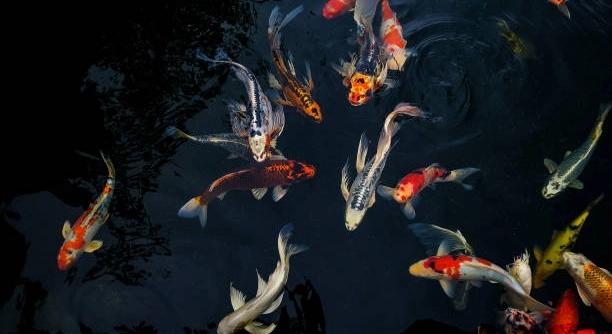
Many koi fish naturally swim in groups, creating colorful displays in ponds and water gardens. However, some koi prefer to stay apart from the crowd. These solitary koi have unique behaviors that set them apart from their companions.
Some koi intentionally avoid groups due to personality traits, social dynamics, or health reasons. These koi may seek solitude to reduce stress, establish territory, or recover from illness, showing that koi behavior is more complex than simple schooling instincts.
Understanding why certain koi keep to themselves can help pond owners care for their fish better and appreciate the different social habits within a koi community.
Understanding Koi Personalities
Koi, like many animals, have different personalities. Some are naturally more social, swimming in groups and exploring together. Others prefer to be alone, sticking to quieter areas of the pond. This can be because they feel safer away from the crowd or simply because they like having their own space. Sometimes, a koi may avoid others due to shyness or nervousness. Just like people, koi can show individual behavior that is not always easy to predict. Observing these differences helps in understanding how each koi adapts to its environment. Noticing when a koi prefers solitude can guide you in making changes to the pond to support its needs, such as adding hiding spots or reducing disturbances.
Some koi seek alone time as a way to stay calm and avoid stress.
Recognizing these personality traits can improve how you care for koi. Providing quiet areas in your pond allows solitary koi to feel safe. This can reduce their stress levels and improve their health. Sometimes, koi that seem lonely just need space to relax. Observing their habits and responding with patience creates a better environment for all your fish. Paying attention to these behaviors ensures every koi has a chance to thrive, whether they are social swimmers or solitary wanderers.
Health and Solitude
Some koi stay away from the group because they are not feeling well. When koi are sick or injured, they often prefer to be alone. This helps them conserve energy and avoid being bullied or crowded by other fish. Being isolated can protect a koi while it recovers from illness or injury. It is important to watch for signs like changes in swimming patterns or appetite. These signs help identify koi that may need extra care.
Koi showing solitude for health reasons should be monitored closely to ensure proper recovery.
When koi isolate themselves due to health issues, it is a sign that something might be wrong. Illness, parasites, or injuries can make a koi less active or cause it to hide. Pond owners should check water quality, temperature, and diet during these times. Providing a quiet area or even a separate tank can aid healing. Early attention to health-related solitude can prevent worsening conditions. Supporting your koi through these periods helps maintain a strong, healthy pond community in the long run.
Territorial Behavior
Koi sometimes avoid groups to protect their own space. They may stake out certain areas of the pond and stay there alone. This behavior helps reduce conflicts with other koi and gives them a safe spot to rest.
Territorial koi are often more aggressive or dominant than others. They use their space to claim food sources and shelter. By keeping others away, they reduce competition. This behavior is natural and helps maintain order within the pond. Some koi clearly mark their favorite spots by swimming around or nudging objects.
Territorial behavior can cause koi to separate from the group for long periods. This is usually normal unless it leads to constant fighting or injury. Observing these interactions helps you understand your koi’s social structure better.
Environmental Factors
Koi may avoid groups due to changes in their environment. Factors like water temperature, lighting, or noise can influence their behavior. When conditions are less comfortable, koi might seek quieter, less crowded spots.
Changes in water quality also affect koi’s willingness to group up. Poor water conditions cause stress and encourage solitary hiding. Adjusting the environment to meet koi needs can reduce isolation. For example, adding plants or shading areas can create more inviting spaces.
Understanding these environmental impacts helps maintain a healthy pond where koi feel comfortable interacting or resting alone as needed. Regular checks on water parameters and pond conditions are essential to keep koi happy and social.
Age and Size Differences
Older or larger koi may choose to stay apart from smaller or younger fish. This helps reduce stress and prevents accidental harm. Size differences affect social interactions in the pond.
Younger koi often stick together for safety, while older koi prefer more space. This natural separation helps maintain balance within the group.
Feeding Habits
Some koi avoid groups during feeding times. They may prefer to eat in quieter spots where they won’t be pushed aside. This behavior ensures they get enough food without competition.
Koi with more timid personalities often seek solitude to enjoy their meals calmly. Offering multiple feeding areas can help reduce stress and aggression.
Resting Preferences
Koi sometimes find specific quiet places to rest alone. These spots provide safety and comfort away from the busier parts of the pond. Respecting their need for solitude helps koi stay relaxed and healthy.
Why do some koi avoid swimming with the group?
Some koi avoid the group because of their natural personality or temperament. Just like people, koi have different social needs. Some prefer solitude to feel safe or less stressed. Other times, health issues or environmental factors cause koi to separate from the group. This behavior is normal and can help koi maintain their well-being.
Is it normal for koi to be alone?
Yes, it is normal for koi to be alone sometimes. While many koi enjoy swimming in groups, others find comfort in solitude. Being alone helps some koi rest, heal, or avoid conflicts with more aggressive fish. Pond owners should observe if solitary behavior lasts too long or is paired with signs of illness.
Can koi get stressed from being in groups?
Koi can become stressed when groups get too crowded or aggressive. Stronger koi may push weaker ones aside, causing some fish to avoid the group. Stress lowers koi immunity, making them more prone to illness. Providing enough space and hiding spots reduces this problem.
How can I tell if a koi is sick or just shy?
Sick koi often show changes in appetite, unusual swimming patterns, or visible signs like discoloration and wounds. Shy koi may simply stay apart but remain active and eat normally. Watching your koi closely over time helps differentiate between sickness and natural behavior.
Should I separate a solitary koi from the group?
Separating a koi is only necessary if it shows clear signs of illness or injury. Otherwise, solitary behavior alone is not a reason to isolate. Sometimes koi prefer solitude for resting or territorial reasons. Ensuring good water quality and space usually helps.
Do koi establish territories in a pond?
Yes, koi can establish territories. Some koi claim favorite spots to feed, rest, or hide. Territorial koi keep other fish away to reduce competition. This is natural behavior and helps create social order within the pond. Problems arise only if koi become overly aggressive.
How can I reduce fighting among koi?
To reduce fighting, provide plenty of space, plants, and hiding places. Feeding in multiple areas lowers competition. Avoid overcrowding the pond. Keeping koi healthy and stress-free also reduces aggression.
Do environmental changes affect koi behavior?
Environmental changes like water temperature, light, or water quality directly affect koi behavior. Poor conditions cause stress, leading koi to hide or separate. Keeping stable water parameters and a calm pond environment encourages koi to stay active and social.
Can older koi live peacefully alone?
Older koi often prefer solitude and can live peacefully alone or in small groups. They may avoid younger or more active fish. Respecting their need for space helps maintain their health and reduces stress.
How can I encourage koi to swim together?
Encouraging koi to swim together involves creating a comfortable environment. Ensure the pond is spacious and clean, with stable water conditions. Feed koi in a central spot to gather them. Adding plants and decorations helps reduce stress and promote group activity.
Koi are fascinating fish with a variety of behaviors, including the choice to swim alone rather than in groups. This behavior is natural and can happen for many reasons. Some koi prefer solitude because of their personality, while others may isolate themselves due to health or environmental factors. It’s important to remember that not all koi act the same way, and understanding these differences can help pond owners provide better care. Observing koi regularly will give insight into their habits and needs, making it easier to support them in their natural behaviors.
Taking time to notice how koi interact can also prevent misunderstandings. For example, a koi that stays apart might seem lonely or sick, but often it is simply seeking quiet or space. When koi avoid groups, it might be because they feel stressed, are protecting territory, or need time to heal. Knowing this helps in making small changes to the pond, such as adding hiding spots or ensuring water quality stays high. These changes help all koi, whether social or solitary, to feel safe and comfortable in their environment.
In the end, the goal is to create a peaceful pond where every koi can thrive. Respecting the unique behavior of each fish leads to a healthier and happier pond community. Giving koi space, monitoring their health, and maintaining good pond conditions make a big difference in how they live and interact. With patience and care, solitary koi and group swimmers can coexist well, making your pond a more balanced and interesting place to watch.

Hello,
If you enjoy the content that we create, please consider saying a "Thank You!" by leaving a tip.
Every little bit helps us continue crafting quality advice that supports the health, happiness, and well-being of pets around the world, for pets of all shapes, sizes, and species.
We really appreciate the kindness and support that you show us!