
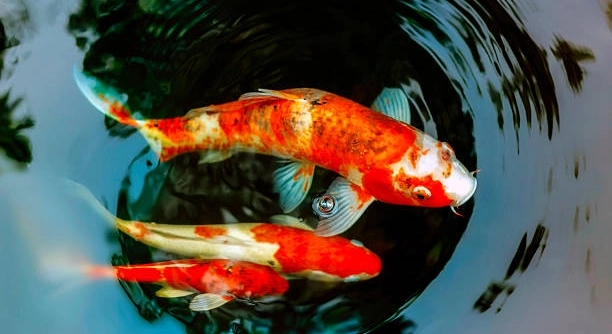
Koi fish have unique behaviors that can signal changes in the weather. These signs are subtle but noticeable to those who watch closely. Understanding these signals can help predict incoming rain.
Koi fish often display seven distinct behaviors that indicate approaching rain. These include changes in swimming patterns, surface activity, and feeding habits. Observing these behaviors provides a natural way to sense shifts in weather conditions.
Recognizing these koi behaviors can offer a simple, natural forecast before rain begins. This guide explains what to look for in your pond.
Restless Swimming Patterns
Before rain arrives, koi often change how they swim. They may move more quickly or erratically near the water surface. This behavior happens because koi sense changes in air pressure and humidity. These changes make the water feel different to them, prompting more active swimming. Koi also tend to gather closer together during this time, which helps them stay safe. Their restless movements are a natural response to the coming weather shift. Watching these changes closely can give you an early warning that rain is near. It’s a subtle but reliable sign when you know what to look for.
This restless swimming happens because koi are very sensitive to the environment around them. It’s their way of preparing for the rain.
Seeing koi swim this way means rain could be approaching soon. It’s a simple yet effective natural signal.
Surface Feeding Changes
Koi usually eat calmly near the water surface. When rain is about to come, their feeding behavior shifts. They may eat less or suddenly stop altogether. This change is linked to the drop in air pressure before rain, which affects their activity levels. Koi become less interested in food and focus more on sensing the environment. Sometimes, they stay closer to the surface but avoid eating. This behavior can be puzzling but is a clear sign of incoming rain. Noticing this shift can help you predict weather changes without relying on a forecast.
During dry weather, koi feed normally, but just before rain, they tend to pause their feeding habits.
Feeding habits are a good indicator because koi prioritize survival. They sense the rain and adjust their behavior accordingly. Watching how much and when koi eat can reveal a lot about what weather is coming.
This change is not random but tied to their natural instincts. Understanding koi feeding behavior adds to the clues about rain approaching your area. It also shows how sensitive koi are to even small changes around them. Monitoring this behavior over time can sharpen your ability to read the signs correctly. This is one of the most visible ways koi sense rain before it arrives.
Increased Surface Activity
Koi tend to become more active near the water surface before rain starts. They may swim closer to the top and even make small splashes.
This behavior happens because koi sense falling air pressure. The change makes the water feel different, so they move upward to breathe more easily. Being near the surface also helps them detect changes in weather faster. Sometimes, they even gather in groups, which can look like play but is really a reaction to the approaching rain. This activity signals that the environment is shifting and rain may come soon.
Watching for this surface activity is a good way to notice rain early. It’s a natural behavior that koi use to prepare for the weather change. The movement at the top of the water can be subtle but meaningful once you understand it. Over time, you’ll notice this pattern before most rainfalls.
Seeking Shelter Behavior
Before rain arrives, koi often look for places to hide or stay calm near pond edges. They seem to seek shelter from the coming weather.
This behavior reflects their instinct to protect themselves. Rain often brings cooler temperatures and changes in water quality. Koi react by staying near plants, rocks, or shaded areas for safety. They move less and try to avoid strong water currents caused by wind and rain. This quiet, sheltered behavior helps them conserve energy and avoid stress. Observing koi gather near shelter spots is a clear indication that rain is expected soon.
The movement toward shelter isn’t random but tied to environmental cues koi feel. Their instinctive need for safety shows how well they respond to weather changes. This calm, hidden position helps them prepare for rain’s effects on their habitat. Recognizing this shift in koi behavior can give you a reliable clue that rain is on the way. It’s another sign that koi are sensitive to their surroundings and able to adjust quickly.
Clustering Together
Koi often group closely before rain. This behavior helps them feel more secure as the weather changes.
Clustering reduces stress and makes it easier for them to respond to shifting conditions. It’s a natural way to stay safe when rain is coming.
Changes in Color Intensity
Koi’s colors may appear brighter or duller before rain. These subtle shifts happen because of changes in water temperature and light caused by incoming weather.
These color changes are not always easy to spot but reflect koi’s sensitivity to their environment. Watching for this can help you notice rain approaching even when other signs are quiet.
Decreased Movement
Koi may slow down or rest more before rain starts. This reduced activity helps them conserve energy during unstable weather.
They instinctively prepare for the rain by staying calm, waiting out the change in conditions.
How do koi sense incoming rain?
Koi can detect changes in the environment that humans often miss. They sense shifts in air pressure, humidity, and temperature. These changes affect the water around them. Because koi are very sensitive to their surroundings, they respond with different behaviors like swimming faster, moving to the surface, or hiding near shelter. These natural responses help koi prepare for rain before it actually starts falling.
Why do koi swim near the surface before rain?
Swimming near the surface helps koi adjust to changing oxygen levels in the water. When rain approaches, air pressure drops, which can lower oxygen in the water. Being near the surface allows koi to breathe more easily. It also helps them better sense the changing weather above the water, giving them an early warning.
What causes koi to cluster together before rain?
Koi cluster for safety and comfort. When weather shifts, grouping reduces stress by giving koi a sense of security. It also helps them react as a group to any sudden changes, such as increased water movement caused by wind or raindrops hitting the pond.
Why do koi change their feeding behavior before rain?
Before rain, koi often eat less or stop eating because they focus on sensing their environment. Lower air pressure and humidity changes can make them less active and less interested in food. This behavior helps them conserve energy and stay alert for upcoming weather changes.
Can koi predict rain accurately?
While koi behavior is a natural indicator of weather change, it’s not 100% accurate like a weather forecast. However, observing koi over time can help you notice patterns linked to rain. Their sensitivity to environmental shifts gives you a useful, early clue that rain is likely.
How can I use koi behavior to prepare for rain?
Watch for signs like restless swimming, surface activity, clustering, or reduced feeding. When you see several of these behaviors, it’s a good idea to check the weather or prepare for rain. These signs give you a natural heads-up, especially if you live in a place where weather can change quickly.
Do all koi show the same signs of incoming rain?
Not all koi react the same way. Some may be more sensitive or active than others. But most koi show at least a few common behaviors, like moving near the surface or clustering together. The key is to watch your koi regularly to understand their normal behavior and spot changes.
Are koi behaviors affected by other factors besides rain?
Yes. Koi can also react to changes in temperature, feeding schedules, water quality, or nearby disturbances. It’s important to consider other reasons for behavior changes. But when several koi show rain-related signs at the same time, it’s likely due to incoming weather.
How long before rain do koi start showing these behaviors?
Koi usually begin to change behavior a few hours before rain arrives. Sometimes, these signs appear just 30 minutes prior, depending on how quickly weather changes. Paying close attention helps you catch these early signals.
Can koi sense other weather changes besides rain?
Yes. Koi respond to storms, cold fronts, and strong winds. Their behaviors change based on how these weather events affect water and air conditions. For example, they may hide more during storms or become less active in colder weather.
Is it necessary to change koi care when rain is coming?
In most cases, koi can handle rain naturally. However, heavy rain can affect water quality, so it’s good to monitor the pond after storms. Make sure filters are working and water remains clean. Preparing your pond ahead can keep koi healthy through weather changes.
Why do koi sometimes stop moving before rain?
Koi slow down to conserve energy and reduce stress as the environment shifts. This stillness helps them stay calm while the weather changes, protecting them from sudden shocks in temperature or water quality.
Can koi behavior help in other ways besides predicting rain?
Yes. Watching koi can also indicate pond health. Sudden, unusual behaviors might show water problems or illness. Their sensitivity to environment changes makes them natural early warning signs for both weather and pond conditions.
Koi fish have a unique way of sensing changes in their environment, especially when rain is coming. Their behaviors often change before the weather shifts, giving us natural clues. These signs include restless swimming, gathering near the surface, clustering together, and changes in feeding habits. By paying attention to these behaviors, koi owners and pond watchers can gain an early indication that rain may be near. Understanding koi’s natural responses helps us appreciate how connected they are to their surroundings and how sensitive they are to even small environmental changes.
Not all koi show the exact same behaviors, but many will react similarly to shifts in air pressure, temperature, and humidity that come with rain. Their movements tend to become more active or sometimes more calm, depending on the situation. Some koi will seek shelter near plants or pond edges, while others may swim quickly near the surface. Watching koi regularly allows you to notice these subtle changes over time. This knowledge can be helpful not only for predicting rain but also for better caring for koi and their habitat. When you understand what koi do before rain, you can better prepare your pond and make sure their environment stays healthy.
Recognizing the signs that koi show before rain can add a new layer of awareness to pond keeping. It is a reminder that these fish are closely tied to nature and respond instinctively to weather changes. While koi behavior shouldn’t replace a weather forecast, it can be a useful and natural way to sense incoming rain. Keeping an eye on koi and their habits can make the experience of caring for them more engaging and rewarding. In the end, these fish offer a simple yet effective way to connect with the rhythms of nature through their quiet signals.

Hello,
If you enjoy the content that we create, please consider saying a "Thank You!" by leaving a tip.
Every little bit helps us continue crafting quality advice that supports the health, happiness, and well-being of pets around the world, for pets of all shapes, sizes, and species.
We really appreciate the kindness and support that you show us!