
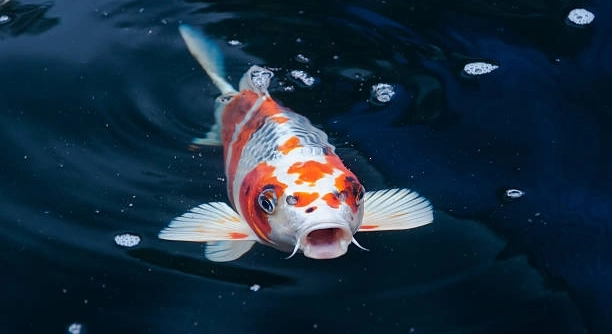
Koi fish are graceful swimmers often found in garden ponds. Their ability to navigate tight corners with ease is a key part of their natural behavior. This article explores how koi manage sharp turns and confined spaces in ponds.
Koi use a combination of body flexion, fin adjustments, and water flow awareness to maneuver tight corners efficiently. Their flexible bodies and precise movements allow smooth navigation without losing balance or speed. This behavior helps maintain their agility and safety in confined environments.
Learning about these techniques reveals how koi adapt to their surroundings. Understanding their movements can improve pond design and care for these elegant fish.
Body Flexion for Sharp Turns
Koi rely heavily on their flexible bodies to make sharp turns in tight pond corners. Their muscles contract and expand, allowing the body to bend smoothly without causing stress or injury. This flexibility helps them reduce water resistance while maintaining speed. When approaching a corner, koi curve their spine in a controlled manner, enabling quick directional changes. The movement is fluid, resembling a wave passing through their body. This ability is essential in crowded or small ponds where space is limited. It allows koi to avoid obstacles and other fish efficiently. Proper muscle tone and health are important for maintaining this flexibility, which is why a balanced diet and clean water are crucial for their well-being.
This body flexion technique gives koi a natural advantage in navigating confined spaces. It combines strength and precision to adapt to pond environments effectively.
The way koi control their body movements to maneuver tight corners is impressive. By bending their spine gently but firmly, they reduce drag and keep momentum. This skill is vital for maintaining balance and avoiding collisions. In addition, this action allows koi to make quick, responsive turns without losing speed. Watching koi use body flexion can offer insight into their physical condition and how well they adapt to their pond environment. Strong, healthy koi display smoother, more controlled movements. In contrast, koi with poor muscle tone or health may struggle to perform these turns efficiently. Understanding this behavior can guide pond owners in creating spaces that accommodate these natural movements and support koi health.
Fin Adjustments for Stability
Fins play a crucial role in stabilizing koi during sharp turns. By adjusting their pectoral and tail fins, koi maintain balance and control in tight spaces.
During tight corner navigation, koi spread or fold their fins as needed to steer and stabilize. The pectoral fins act like rudders, fine-tuning direction, while the tail fin provides propulsion. This coordinated fin movement helps prevent slipping or tumbling when turning sharply. Adjusting fins also aids in braking or accelerating as koi approach corners. Healthy fins without damage are essential for these precise movements, so regular pond maintenance helps keep koi in top shape.
Efficient fin control allows koi to maneuver with grace and stability, which is essential in confined pond environments. It reflects their adaptability and resilience.
Awareness of Water Flow
Koi sense water currents to adjust their movements around tight corners. This awareness helps them conserve energy and maintain control.
They use subtle changes in water flow to guide their direction. By feeling shifts in current, koi anticipate turns and adjust their body and fins accordingly. This ability minimizes resistance and prevents sudden, awkward movements that could cause injury or loss of balance. Being in tune with the environment allows koi to glide smoothly and react quickly to obstacles or other fish nearby.
Water flow awareness also contributes to efficient swimming. Koi can ride currents to boost momentum or slow down by swimming against gentle flow changes. This skill is vital for navigating small ponds where currents might be created by filters or pumps, helping koi maintain steady movement and avoid stress.
Use of Tail Fin Propulsion
The tail fin is the primary source of thrust for koi when turning tight corners. It provides the power needed for quick bursts of speed and directional shifts.
During sharp turns, koi flex their tail fin side to side to generate thrust and control momentum. This movement propels them forward while allowing smooth adjustments in direction. The tail fin’s strength and flexibility are critical for preventing slips or stalls in confined spaces. Koi with healthy tail fins can navigate tight corners with confidence, making quick, precise turns that maintain their speed and balance.
Tail fin propulsion works in tandem with body flexion and fin adjustments to create coordinated, effective movement. It ensures koi do not lose momentum or struggle in small ponds where space is limited. Regular observation of tail fin condition can indicate overall koi health and swimming ability. Damage or stiffness can hinder their capacity to maneuver, emphasizing the importance of good water quality and care.
Navigating with Lateral Line Sensory
Koi use their lateral line system to detect vibrations and pressure changes in the water. This sensory ability helps them sense nearby objects or other fish when turning corners.
The lateral line allows koi to move confidently even in low visibility or crowded ponds. It provides constant feedback about their surroundings, enabling precise adjustments during navigation.
Maintaining Balance Through Slow Movement
Slowing down before tight corners helps koi maintain balance. Controlled speed allows them to make deliberate turns without losing stability.
Gradual deceleration reduces the risk of sudden slips or collisions, promoting safer movement in confined pond areas.
Role of Pond Design
A pond’s shape and layout influence how koi navigate tight corners. Smooth, rounded edges make turns easier and reduce stress on the fish.
Good pond design considers koi behavior, helping them swim naturally and avoid sharp angles that may cause difficulties during navigation.
How do koi fish manage to turn sharply without losing balance?
Koi use a combination of body flexion and fin adjustments to execute sharp turns while maintaining balance. Their flexible spine allows them to curve smoothly, reducing resistance as they navigate corners. At the same time, their pectoral and tail fins help steer and stabilize their movement. By coordinating these physical adjustments, koi avoid abrupt motions that could cause slipping or tipping. This control is crucial in small or crowded ponds where space is limited.
Can koi navigate tight corners in crowded ponds without bumping into each other?
Yes, koi rely on their lateral line sensory system to detect nearby fish and obstacles. This system senses vibrations and pressure changes in the water, providing real-time feedback about their surroundings. It helps koi maintain spatial awareness, allowing them to adjust their movements to avoid collisions. Additionally, their ability to slow down before corners gives them better control to maneuver safely in crowded conditions.
Does water flow affect koi navigation in tight spaces?
Water flow plays a significant role in how koi swim and turn. Koi are sensitive to changes in currents and use this information to adjust their speed and direction. Riding with the flow can conserve energy and smooth their turns, while swimming against gentle currents helps them slow down or control movement more precisely. Proper pond design that creates manageable water flow supports koi’s natural swimming behaviors.
Why is tail fin propulsion important for koi turning?
The tail fin provides the main thrust that powers koi through tight turns. By flexing the tail fin from side to side, koi generate propulsion that maintains momentum and speed during sharp directional changes. Strong and healthy tail fins are essential for this movement. If a koi’s tail fin is damaged or stiff, it will struggle to produce the necessary power to navigate tight corners efficiently.
How does pond design influence koi movement?
Ponds with smooth, rounded corners facilitate easier navigation for koi. Sharp angles or irregular shapes can force koi into awkward turns that increase stress and the risk of injury. Including gradual curves and avoiding tight corners in pond design supports natural koi swimming patterns. Properly designed ponds help koi conserve energy and move with grace and balance.
Do all koi have the same ability to navigate tight corners?
Not all koi navigate corners with equal skill. Factors like age, health, and muscle condition affect their agility. Younger, healthier koi with strong muscles and fins perform turns more smoothly. Older or weaker koi may have difficulty bending their bodies or controlling their fins, which can make tight corners challenging. Maintaining good water quality and proper nutrition supports koi physical condition and mobility.
How can pond owners support koi in navigating tight corners?
Owners can help by providing a pond environment that considers koi movement. Avoid sharp corners and obstacles in the pond layout. Ensure water flow is steady but not too strong. Regularly check koi health, focusing on fin condition and muscle tone. Feeding a balanced diet supports their strength and flexibility. Keeping the pond clean reduces stress and promotes smooth swimming.
Can koi injured fins affect their ability to navigate corners?
Yes, damaged or infected fins limit a koi’s ability to steer and maintain balance. Injuries to the tail or pectoral fins reduce propulsion and fine control during turns. This can cause koi to slip or bump into objects, leading to further stress or injury. Early detection and treatment of fin problems improve koi mobility and comfort in tight spaces.
Is slowing down before a corner a natural behavior for koi?
Slowing down is a natural and effective way koi maintain stability during turns. Controlled speed reduces the chance of abrupt movements that might cause loss of balance. It also allows koi to better sense their surroundings through the lateral line system and fin adjustments. Observing koi slow down before corners is a sign they are navigating carefully and using their skills well.
Do koi use their fins differently when swimming straight versus turning?
Yes, fin use varies between straight swimming and turning. When swimming straight, koi keep fins steady for stability and minimal resistance. During turns, they actively spread or fold their pectoral fins to steer and adjust their tail fin for propulsion. This dynamic fin movement helps koi control their direction and balance precisely in tight or complex areas of the pond.
How important is muscle tone in koi for tight corner navigation?
Muscle tone is critical for koi flexibility and control. Strong muscles allow smooth body bending and effective fin movements necessary for sharp turns. Poor muscle tone, caused by age, illness, or inadequate nutrition, can limit mobility and increase the risk of accidents. Supporting koi muscle health through proper feeding and pond conditions enhances their ability to navigate tight pond corners confidently.
Can koi navigation skills improve over time?
Koi can develop better navigation skills with age and experience. As they grow and become more familiar with their environment, they learn how to use their body and fins more efficiently. Regular interaction with the pond layout and other fish teaches koi to anticipate corners and adjust movements accordingly. This improvement reflects their adaptability and intelligence.
Does pond size affect how koi navigate corners?
Pond size influences the frequency and sharpness of turns koi must make. Smaller ponds with limited space require more frequent and tighter turns, challenging koi agility. Larger ponds offer more room to swim straight and approach corners gradually, making navigation easier. Pond size should be considered when designing the layout to support koi movement and reduce stress.
Are there signs koi struggle with tight corners?
Signs include awkward or slow turns, frequent collisions, or hesitation near corners. Koi may show signs of stress or injury if they cannot navigate smoothly. Observing their swimming behavior helps identify potential problems early. Addressing issues through pond adjustments or health care improves koi comfort and mobility.
Can environmental factors like temperature affect koi turning ability?
Temperature impacts koi muscle function and energy levels. Cold water can slow muscle response, making turns less fluid and controlled. Warm water promotes better muscle activity and quicker reactions. Maintaining appropriate pond temperatures supports koi agility and overall health, especially during active swimming and tight corner navigation.
Koi fish navigate tight pond corners with a combination of natural adaptations and learned behaviors. Their flexible bodies, sensitive lateral line system, and strong fins all contribute to smooth and controlled movements. Slowing down before turns and using careful fin adjustments help maintain balance and prevent injury. Pond design also plays a key role in supporting koi navigation by providing gentle curves instead of sharp angles. Understanding these factors helps explain how koi move confidently even in confined spaces.
Maintaining a healthy environment is essential for koi to keep their agility. Proper nutrition, clean water, and appropriate pond conditions support muscle strength and fin health. Injuries or illness can reduce a koi’s ability to turn sharply or swim efficiently. Regular observation can identify problems early, allowing for timely intervention. Pond owners can improve koi movement by ensuring there are no obstacles or harsh corners that make turning difficult. Encouraging natural behaviors with a well-planned habitat promotes koi comfort and reduces stress.
Koi show remarkable adaptability in navigating their ponds. Over time, they learn the layout and adjust their swimming techniques to fit their surroundings. Their ability to sense water movement and changes around them allows precise control during turns. While each koi may vary in skill due to age or health, they generally develop effective ways to handle tight corners. Supporting these natural abilities through good pond care enhances their quality of life. Knowing how koi move helps owners create an environment that meets their needs and keeps them active and healthy.

Hello,
If you enjoy the content that we create, please consider saying a "Thank You!" by leaving a tip.
Every little bit helps us continue crafting quality advice that supports the health, happiness, and well-being of pets around the world, for pets of all shapes, sizes, and species.
We really appreciate the kindness and support that you show us!