
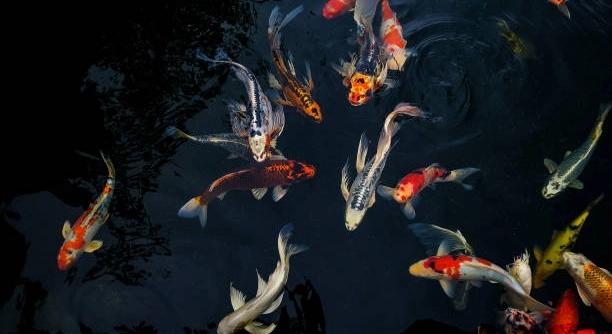
Koi fish are popular pets known for their beauty and calm nature. They often show subtle behaviors that reveal more about their likes and dislikes. Understanding these moments can deepen your connection with them.
Koi reveal hidden preferences through specific actions such as how they respond to feeding, interact with their environment, and display social behavior. These moments indicate their comfort, needs, and subtle choices within their habitat.
Recognizing these signs can help you provide better care and enrich your koi’s life in meaningful ways.
Feeding Time Reactions
Koi have unique ways of showing their preferences when it comes to feeding. Some koi eagerly swim to the surface at the first sign of food, while others take their time or prefer certain types of food. You might notice some koi only eat flakes, while others go for pellets or even fresh vegetables. Their reactions can tell you a lot about what they enjoy and what suits their diet best. Paying attention to how they respond during feeding can help you adjust their meals to keep them healthy and happy. Koi also tend to remember feeding routines, so consistent schedules can improve their appetite and behavior. Sometimes, koi will even nudge each other away from food they don’t prefer, showing clear preferences within a group.
Observing feeding behavior offers valuable clues about each koi’s individual tastes and needs.
Knowing their feeding preferences helps create a better environment and avoids wasting food on what they won’t eat.
Interaction with Their Environment
Koi often reveal their hidden preferences through how they explore their pond or tank. Some koi like swimming near plants and hiding spots, showing they prefer sheltered areas. Others enjoy open spaces where they can glide freely. Watching where they spend most of their time can indicate what kind of setup makes them feel comfortable. Environmental preferences also include water temperature and cleanliness. Koi tend to favor specific water conditions, and their activity levels change when conditions are right or off. For example, koi that linger near warmer areas likely prefer higher temperatures. Providing a varied environment with places to hide and swim openly gives koi options to express their preferences naturally. Adjusting the setup based on these observations ensures they stay active and stress-free.
Their choice of spots in the pond or tank helps you understand what makes them feel secure or relaxed.
Social Behavior Signals
Koi often show their preferences through how they interact with each other. Some koi prefer staying close to their companions, while others like to swim alone. Their social habits can reveal comfort levels and personality differences.
When koi swim together in tight groups, it usually means they feel safe and enjoy company. On the other hand, koi that isolate themselves may prefer solitude or could be feeling unwell. Watching which koi dominate feeding times or chase others away helps identify stronger personalities. These social signals are important because they affect how koi coexist in a shared space.
Understanding their social preferences allows you to arrange your pond to reduce stress and promote harmony. Offering enough space and hiding spots can support different social needs, making sure each koi feels comfortable.
Response to Changes
Koi react noticeably when their environment or routine changes. They might become more cautious or curious depending on the situation. Their behavior gives clues about what they prefer and how adaptable they are.
Sudden changes, like new decorations or altered feeding times, can cause koi to hide or reduce activity. However, some koi quickly investigate and accept the new conditions. These responses show their tolerance for change and what makes them uneasy. Recognizing these reactions helps in managing adjustments smoothly, minimizing stress. Gradual changes often work best to keep koi comfortable.
By paying attention to how koi respond to changes, you can create a stable environment that respects their preferences and keeps them thriving.
Preferred Swimming Patterns
Koi often have favorite swimming routes or patterns. Some prefer slow, gentle movements near the surface, while others explore deeper parts of the pond. These habits reveal their comfort zones and personal preferences.
Watching their swimming styles helps identify if they enjoy calm or active areas, guiding pond setup choices.
Reaction to Human Presence
Many koi show clear reactions when humans approach. Some eagerly swim to the edge, expecting food or interaction, while others stay distant. These reactions highlight their comfort level with people.
Koi that come close often enjoy interaction, while shy koi prefer less disturbance, which should be respected for their well-being.
Resting Spots
Koi often choose specific resting areas in the pond. These spots provide safety and comfort, indicating their preferences for quiet, sheltered locations.
Understanding where koi like to rest helps in designing a peaceful environment tailored to their needs.
What do koi behaviors tell me about their preferences?
Koi behaviors often give clear signs about what they like or dislike. For example, koi that swim eagerly to the surface during feeding times usually prefer being near people and are comfortable with attention. Those that linger near plants or hiding spots show a preference for shelter and security. Watching how koi interact with each other can also tell you who is more dominant or shy. Their swimming speed and patterns reflect whether they like calm or active environments. These simple behaviors help you understand their needs and tailor their care accordingly.
How can I tell if my koi is comfortable with their environment?
Comfortable koi tend to be active and swim smoothly without sudden hiding or stress signs. They explore different parts of the pond, eat well, and interact with other koi or people without fear. If koi stick to one corner or remain hidden for long periods, it may indicate discomfort or stress. Consistent eating habits and normal swimming patterns show they feel safe. Adjusting water temperature, cleanliness, and adding plants or shelters can improve their comfort. Regularly observing their behavior is key to knowing if they feel at ease.
Why do koi prefer certain foods over others?
Koi have different taste preferences just like people. Some may favor pellets over flakes or enjoy fresh vegetables like lettuce or peas. Their preference is often linked to texture, flavor, or how familiar the food is. Offering a variety of foods lets you see what they respond to best. Koi also react to food size and how it sinks or floats. Feeding the types they prefer encourages good nutrition and reduces waste. It’s important to notice if they reject certain foods consistently and adjust accordingly.
How do koi show they dislike something?
Dislike is usually shown by koi avoiding certain areas, food, or objects. They may swim away quickly or hide when something new is introduced. If koi refuse food, swim erratically, or stop coming to the surface during feeding, it might indicate stress or dislike. Sometimes koi chase each other away from specific spots, showing territorial dislike. These signs mean their preferences are not being met and changes may be needed. Being attentive to subtle signs helps address their dislikes before it affects their health.
What should I do when koi react poorly to changes?
When koi react by hiding or reducing activity after changes, the best approach is patience. Avoid sudden major changes and introduce new elements gradually. Monitor water quality, temperature, and food during transitions. Keeping a calm and stable environment reduces stress. Sometimes koi just need time to get used to new decorations, water filters, or feeding schedules. If poor reactions continue, consider reversing recent changes or consulting a specialist. Respecting their pace helps koi adjust better and keeps them healthy.
Can koi prefer social interaction with humans?
Yes, some koi clearly enjoy human interaction. These koi swim close to people, follow movements, and eagerly accept food from hand feeding. This behavior shows trust and comfort. However, not all koi are the same; some prefer minimal contact and stay distant. It’s important to observe individual reactions and respect their limits. Offering interaction gently and regularly can build stronger bonds and improve their confidence around humans.
How do koi preferences affect pond design?
Knowing koi preferences helps create a better pond environment. If koi like sheltered spots, adding plants and hiding places is important. For koi that enjoy open swimming, leaving enough free space is key. Temperature preference may require heaters or shade. Social dynamics suggest designing areas for both group swimming and solitude. Feeding preferences affect where and how food is offered. Tailoring pond features to koi behaviors ensures a healthy, stress-free home that suits their natural inclinations.
Are koi preferences consistent or do they change?
Koi preferences can change with age, health, and environment. Young koi may be more curious and active, while older koi might prefer calmer spaces. Seasonal changes in water temperature affect their activity and food choices. Health issues can also influence preferences; a koi feeling unwell may hide or refuse food. Regular observation is necessary to notice shifts in behavior. Adjusting care to these changes helps koi stay comfortable and thriving throughout their lives.
Koi fish show many small behaviors that help reveal what they like and dislike. By paying attention to how they eat, swim, and interact with their surroundings and each other, you can learn a lot about their preferences. These signs are often subtle but important for their well-being. Understanding these moments helps you provide better care, making sure their environment suits their needs. When koi feel comfortable, they are more active, healthy, and display their natural beauty. Watching them closely can deepen your appreciation for their unique personalities.
Taking time to observe koi reactions to changes in their environment is also valuable. Koi may respond differently to new food, decorations, or adjustments in water quality. Some accept changes quickly, while others need more time to adapt. Being patient and making changes gradually reduces stress and supports their health. Providing a pond with varied areas like open spaces and sheltered spots respects their individual preferences. Offering foods they enjoy and keeping consistent routines further supports their happiness. Small adjustments based on these observations can improve the overall quality of life for koi.
Remember, each koi is different, and their preferences might change over time due to health, age, or seasonal shifts. Regularly observing their behavior helps catch these changes early so you can respond appropriately. The goal is to create an environment where koi feel safe, comfortable, and engaged. Paying attention to their hidden preferences leads to a more rewarding experience for both you and your fish. This approach ensures that your koi live a balanced and fulfilling life in their aquatic home.

Hello,
If you enjoy the content that we create, please consider saying a "Thank You!" by leaving a tip.
Every little bit helps us continue crafting quality advice that supports the health, happiness, and well-being of pets around the world, for pets of all shapes, sizes, and species.
We really appreciate the kindness and support that you show us!