
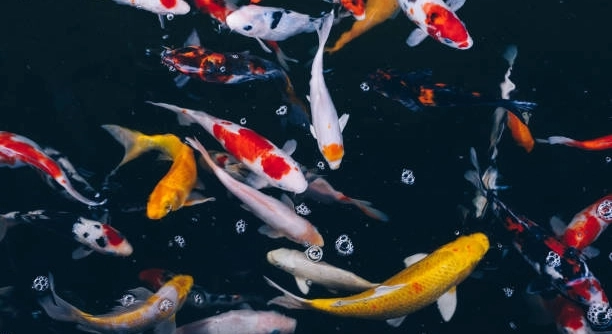
Koi fish are beautiful creatures many people enjoy keeping in their ponds. Over time, some koi develop curved spines that change their appearance. This condition can affect their swimming and overall health.
Koi fish develop curved spines mainly due to genetic factors, environmental stress, and nutritional imbalances. These influences cause deformities in the spine’s structure, leading to the characteristic bending observed in affected koi. Proper care can help reduce these risks.
Learning about why these curved spines form can help koi owners better care for their fish. Understanding the causes and prevention methods is important for keeping koi healthy and happy.
Causes of Curved Spines in Koi Fish
Curved spines in koi fish often begin with genetics. Some koi are simply born with a tendency toward spinal deformities. Environmental factors play a big role too. Poor water quality, overcrowding, or strong currents can stress the fish and affect spine development. Nutrition is another key factor. A diet lacking essential vitamins and minerals can weaken the bones and cause deformities. Injuries early in life may also lead to abnormal spine growth. In many cases, these factors combine to create the curved shape. Careful attention to tank or pond conditions and feeding can reduce the chances of spine problems.
Koi with curved spines may swim differently or struggle with balance. This can make daily life harder for them.
Understanding these causes helps in making better care choices. Keeping water clean, avoiding overcrowding, and providing a balanced diet are simple but effective steps to protect your koi’s spine health.
Prevention and Care Tips
Keeping the environment stable is important for koi spine health.
Proper water conditions are essential to prevent stress-related spine issues. Regular testing and cleaning help keep ammonia and nitrite levels low. Avoid overcrowding to reduce competition and stress. Feeding high-quality food with the right nutrients supports strong bone growth. Vitamin supplements may be useful if diet alone is insufficient. Gentle handling prevents injuries that could affect the spine. Regular observation can catch early signs of deformities or illness. If a curved spine appears, consult a vet for advice on treatment options. Some koi may live comfortably despite mild deformities, but severe cases need careful management to ensure quality of life. Overall, consistent care and attention can help minimize the risk and support koi health over time.
Impact of Curved Spines on Koi Health
Curved spines can affect a koi’s swimming ability and overall mobility. This makes it harder for them to move normally or compete for food.
When a koi’s spine curves, its balance and strength often suffer. Swimming becomes awkward, which can tire the fish quickly. Reduced mobility may lead to less feeding, weakening the koi further. Stress from this condition can also lower their immune response, making them more vulnerable to disease. Some koi adapt well and live full lives despite the curve, but others struggle depending on the severity. Monitoring their behavior and providing easy access to food can help support their well-being.
In cases of severe curvature, the fish may experience chronic pain or difficulty breathing. Close observation and proper care can ease these challenges and improve their quality of life over time.
Genetic Factors Behind Spine Curvature
Genetics play a significant role in the development of curved spines in koi. Certain bloodlines have a higher chance of spinal deformities. Breeders often try to avoid mating koi with known spinal issues to reduce this risk. Genetic predisposition means some fish are naturally more prone to spine problems regardless of care.
The genetic makeup can influence how the spine grows and how bones develop. Inherited traits may affect the cartilage and vertebrae, leading to bending. Even with perfect conditions, genetics alone can cause curvature. Understanding these factors helps koi owners make informed choices about breeding and selecting healthy fish. It also explains why some koi develop curved spines despite careful attention to environment and diet. Genetics cannot be changed, but awareness allows for better prevention and management strategies.
Environmental Stress and Spine Curvature
Environmental stress is a common factor in koi spine issues. Poor water quality and overcrowding increase stress levels, which can affect bone growth and lead to spinal deformities.
Strong currents or sudden temperature changes also add to the stress. Keeping a stable and calm environment helps reduce these risks significantly.
Nutritional Deficiencies and Their Effects
Lack of essential nutrients like calcium, phosphorus, and vitamins can weaken koi bones. Without proper nutrition, the spine may develop abnormalities or fail to grow straight. Feeding a balanced diet rich in these nutrients supports healthy bone formation. Supplements might be necessary if the diet alone isn’t enough. Poor nutrition combined with other stressors increases the chances of spinal curvature, so consistent feeding practices are key.
Observing Early Signs of Spine Curvature
Early detection is important. Look for changes in swimming or posture that might indicate spine problems.
What causes curved spines in koi fish?
Curved spines in koi fish usually result from a mix of genetics, environment, and nutrition. Some koi inherit a tendency for spinal deformities from their parents. Environmental stress, such as poor water quality, overcrowding, or strong water currents, can also affect spine development. Additionally, if the koi’s diet lacks key nutrients like calcium and vitamins, their bones may weaken, leading to curvature. Injuries during early growth stages might contribute as well. Often, these factors work together, causing the spine to bend over time.
Can curved spines be prevented?
Prevention starts with good care. Maintaining clean, stable water conditions helps lower stress on koi. Avoid overcrowding to reduce competition and injury risks. Feeding a balanced diet rich in calcium, phosphorus, and vitamins supports strong bone growth. Using supplements can be helpful if needed. Avoid rough handling that might injure the fish. Selecting koi from healthy genetic lines also lowers the chance of deformities. While not all cases are preventable, following these steps greatly reduces risks.
How do curved spines affect koi behavior?
Koi with curved spines often swim less smoothly. Their balance and strength can be off, causing awkward or slower movements. This may make it harder for them to compete for food or avoid danger. Some koi become more tired or stressed because swimming requires extra effort. In mild cases, koi adapt and live comfortably, but severe curvature can cause pain or difficulty breathing, affecting their overall well-being.
Is a curved spine painful for koi?
It depends on the severity. Mild curvature usually doesn’t cause pain, and the fish can live normally. However, severe spine bending can create discomfort or limit movement, possibly causing chronic pain or breathing problems. Watching for signs like lethargy or reduced appetite can help detect if the koi is struggling. Consulting a vet may be necessary for severe cases to manage pain or improve quality of life.
Can curved spines be treated or fixed?
There is no simple fix for curved spines. Treatment focuses on supportive care rather than correction. Improving water quality, reducing stress, and providing proper nutrition can prevent worsening. In some cases, vets may recommend medications or special diets. Surgery is rarely done due to the risks involved. Most koi with curved spines live with the condition, and careful care helps them stay comfortable.
Will curved spine koi live shorter lives?
The lifespan depends on the severity of the spine curvature and how well the fish is cared for. Mild cases may have little impact on longevity if the koi adapts well and receives proper care. Severe deformities can lead to health problems that shorten life, especially if mobility or breathing is compromised. Regular monitoring and good husbandry improve chances for a longer, healthier life.
Are certain koi breeds more likely to develop curved spines?
Yes, some koi bloodlines are genetically predisposed to spine deformities. Breeders often avoid pairing koi with known spinal issues to reduce this risk. While environment and nutrition influence spine health, genetics can make certain fish more vulnerable regardless of care. Knowing a koi’s lineage can help in selecting healthy fish less prone to curvature.
How can I tell if my koi has a curved spine early on?
Early signs include uneven swimming, tilting to one side, or a visible bend in the back. The fish may struggle to maintain balance or swim straight. Behavioral changes like reduced activity or less interest in food can also be clues. Regularly observing your koi’s movement and posture helps catch problems before they worsen.
Should I separate koi with curved spines from others?
Separating koi with severe spinal deformities can reduce stress and prevent injury from more active fish. It also allows easier monitoring and special care. For mild cases, separation is usually unnecessary, but providing a calm environment with easy access to food is helpful. Always watch interactions to ensure no bullying occurs.
Does water temperature affect spine development in koi?
Extreme or fluctuating temperatures can stress koi, which might impact spine development. Consistent, appropriate temperatures help maintain overall health and support proper bone growth. Sudden temperature changes should be avoided to reduce stress and possible deformities.
Can diet alone fix or prevent spine curvature?
Diet is crucial but not the only factor. A balanced diet rich in essential nutrients supports healthy bones and reduces risk. However, genetics and environment also play large roles. Feeding quality food along with maintaining good water conditions and reducing stress is the best approach to prevent curvature.
Is it okay to keep curved spine koi in outdoor ponds?
Yes, curved spine koi can live in outdoor ponds if conditions are suitable. Ensure clean water, stable temperature, and enough space to reduce stress. Provide easy access to food since they might swim slower. Monitor their health regularly and be prepared to offer extra care if needed.
Can curved spine koi reproduce?
Koi with curved spines can reproduce, but the condition may pass to offspring. Responsible breeders avoid using fish with spinal deformities to reduce the chance of inherited problems. If breeding koi, selecting healthy, well-structured parents helps promote stronger, straighter spines in the next generation.
Are there any signs that indicate worsening spine curvature?
Signs include increased difficulty swimming, more noticeable bends, reduced appetite, or lethargy. The koi might struggle to rise to the surface for air or show signs of stress. If you notice these changes, extra care and possibly veterinary advice are important to manage the condition.
How often should I check my koi for spine problems?
Regular observation is key. Checking koi behavior and posture daily or several times a week helps catch early issues. Watching for subtle changes in swimming or appearance prevents severe problems from developing unnoticed. Consistent care means healthier fish overall.
What should I do if I suspect my koi has a curved spine?
Begin by improving water quality and diet. Reduce any stress factors like overcrowding or strong currents. Observe the koi closely for behavior changes. If the condition seems severe or worsens, consulting a veterinarian experienced with fish is a good next step. Early intervention improves the chances of managing the issue effectively.
Curved spines in koi fish are a common issue that many pond owners notice over time. This condition happens for a few reasons, including genetics, environmental stress, and nutrition. While it can change how the koi look and swim, it does not always mean the fish will be unhealthy or unhappy. Understanding the causes of spine curvature can help you take better care of your koi and reduce the chance that this condition develops or gets worse. Paying attention to water quality, diet, and fish behavior makes a big difference in keeping your koi healthy.
Proper care is the best way to support koi with curved spines. Keeping water clean and stable helps lower stress, which is important for spine health. Feeding a balanced diet with enough vitamins and minerals gives the fish the nutrients they need for strong bones. Avoid overcrowding and handle the fish gently to prevent injuries. Watching your koi regularly will help you spot any early signs of problems so you can act quickly. Sometimes, curved spines happen despite good care because of genetics, but creating a good environment still helps your koi live comfortably.
If you do notice a curved spine in your koi, don’t panic. Many koi adapt well and continue to live happy lives even with mild spine issues. Severe cases may need extra attention, including possible veterinary care, but many fish manage well with proper support. Learning about this condition will help you make informed decisions about feeding, pond management, and breeding. Taking these steps ensures your koi have the best chance at a long, healthy life, even if their spines are not perfectly straight.

Hello,
If you enjoy the content that we create, please consider saying a "Thank You!" by leaving a tip.
Every little bit helps us continue crafting quality advice that supports the health, happiness, and well-being of pets around the world, for pets of all shapes, sizes, and species.
We really appreciate the kindness and support that you show us!