
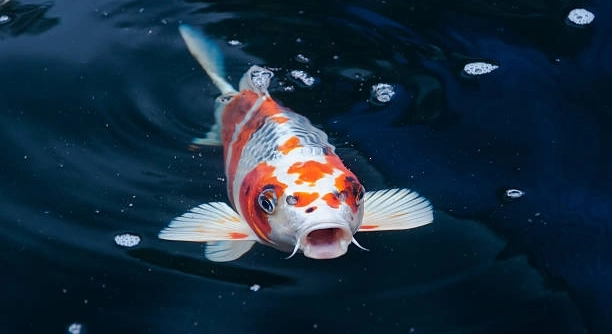
Do you ever notice your koi acting differently and wonder what it might mean about their behavior or environment? These moments can be fascinating and might hold more meaning than they first appear to.
Koi exhibit various actions that signal exploration, including nudging plants, chasing shadows, and nibbling on unfamiliar objects. These behaviors are natural indicators of their curiosity and environmental awareness, often showing interest in their surroundings and possible changes within their habitat.
By understanding these simple behaviors, you can better support your koi’s enrichment and recognize signs of comfort, interest, or subtle changes in their aquatic home.
Nibbling on Objects Near the Bottom
When koi start gently nibbling at gravel, plants, or decorations, it often means they’re checking for food or changes in their environment. This is a normal behavior and typically signals curiosity rather than a sign of distress. Koi rely on their sensitive mouths to gather information, much like how other animals use their paws or noses. If you’ve recently added something new to the pond, like different rocks or aquatic plants, expect your koi to investigate it. They may repeat this behavior multiple times a day, depending on how interesting they find it. This nibbling can also help them understand if something is edible or worth leaving alone. You may notice them lightly mouthing things without causing damage, which is entirely normal. However, if the behavior becomes obsessive or is paired with aggressive digging, it might be time to check the pond for imbalance or missing nutrients in their diet.
Sometimes, koi do this more after feedings as a way of double-checking for leftover food particles they might have missed.
Koi use their mouths like tools to explore. They’re not just searching for food—they’re sensing texture, movement, and even taste. This helps them learn about objects without relying on their limited vision, especially in murky water.
Hovering Around Plants
This action usually means koi are exploring for food or hiding places. Plants provide natural cover and insects, making them popular inspection spots.
When koi hover or gently nose around plants, it’s not just a random swim. They’re checking for edible bits, soft leaves, or insects that might be hiding in the greenery. This behavior often increases after recent plant additions or when the weather changes, bringing new insect activity. Koi are naturally drawn to areas where movement and scent hint at potential snacks. Even when they’re not hungry, the plants offer an interesting break from open water. You might also see this behavior more during certain times of the day—especially in early morning or before feeding time. If they’re spending more time near one plant, it could be worth checking for signs of algae, which they enjoy nibbling. Hovering like this is a quiet but purposeful behavior, reflecting their need to stay engaged with their surroundings and satisfy their natural curiosity.
Swimming Along the Pond’s Edges
This behavior often means koi are examining boundaries, checking for food bits, or exploring new growth like algae or insects on the pond walls. It’s common during warmer months or after changes in the pond’s surroundings.
Koi may trace the perimeter of the pond slowly, brushing their bodies against surfaces. This can help them detect texture changes, sense temperature differences, or look for organic material. Sometimes they follow each other in a line, forming a pattern that looks like play but is actually based on environmental awareness. If food has ever been dropped near the edges, koi will remember and revisit that area often. Edges can also trap leaves and debris that koi enjoy examining. While this behavior is generally harmless, sudden increases in edge-swimming may suggest they are reacting to something unusual, like water quality changes, and could be worth observing more closely if it becomes persistent.
It’s also a way for them to patrol their space. By following the pond’s edge, koi are checking for disturbances or items that have shifted position. This is especially common after storms or cleaning sessions. It shows they’re alert and aware of small environmental adjustments that might not be obvious at first glance.
Nudging Other Fish
Gentle nudging is often how koi test the reactions of others, communicate interest, or assert light dominance. It can be part of mating, feeding, or simply exploring group dynamics within their social circle.
When koi nudge each other, the behavior can seem playful but often has a purpose. During feeding, they may push others aside to reach floating pellets. During breeding seasons, males nudge females as a sign of readiness to spawn. Sometimes it’s nothing more than curiosity—getting close to see how another koi reacts. It can also serve as a way to establish social order, especially in a pond with limited space. These nudges are usually harmless unless one fish is consistently aggressive or targets only one specific koi. If fins are damaged or one fish is left out of group activities, it might require closer monitoring. But most of the time, this behavior is simply koi being naturally interactive with one another.
Inspecting Bubblers or Air Stones
Koi often gather near bubblers because of the movement and sound. The rising bubbles stimulate their curiosity and offer a playful distraction, especially in a calm pond where there’s little water movement elsewhere.
This behavior also helps koi get closer to oxygen-rich water. They may hover or swim through the bubbles repeatedly, not because they’re struggling to breathe, but because the sensation is interesting.
Following Shadows or Reflections
Koi sometimes follow shifting light patterns on the water’s surface, treating them like moving objects. This behavior can be more frequent on sunny days when reflections from trees or people move across the pond.
Pausing Mid-Swim
Short pauses in swimming are often moments of stillness used for sensing movement, listening, or adjusting to new sights. These moments can be mistaken for freezing but are usually brief and intentional.
FAQ
Why do koi sometimes appear to be nibbling on each other?
This is usually a harmless part of koi behavior. Koi are naturally tactile and curious, so they may use their mouths to gently explore other fish. It’s especially common during feeding or mating season, when nudging or light mouthing becomes more frequent. As long as there’s no visible injury or signs of stress, there’s usually nothing to worry about. However, if one fish is repeatedly targeted or showing torn fins, it may be a sign of bullying or overcrowding, which might need to be addressed by adding more space or hiding spots.
Is it normal for koi to chase each other during warm weather?
Yes, koi are more active in warmer temperatures, and chasing is often linked to mating behavior. Males chase females in a persistent pattern that might look aggressive but is typically part of the spawning process. You may also see koi chasing after feeding as they compete for leftover food or out of excitement. If the chasing seems excessive, especially outside of breeding season, it might help to review water quality and ensure everyone is healthy. Providing plants or structures can also reduce this by giving fish a break from social pressure.
Why do koi swim to the surface when I walk by?
Koi are smart and learn to associate humans with feeding time. If you usually feed them at the edge of the pond, they’ll remember that pattern. Even if you’re not holding food, they may rush to the surface expecting a meal. This shows that they can link movement and routine with rewards. Over time, they may even recognize individual people, showing more interest in familiar figures. It’s not just about hunger—it’s learned behavior tied to positive experiences.
Can koi become bored in a pond?
Yes, koi can become under-stimulated if their environment lacks variety. While they don’t need toys like land animals, they benefit from things to explore—such as plants, small current changes, or different textures. A plain pond without features can lead to repetitive behavior. Adding rocks, tunnels, or aquatic plants can keep them mentally active. Changing the layout occasionally or offering small treats in new areas encourages natural foraging behavior. This helps reduce signs of stress and encourages healthy activity.
What does it mean if a koi is constantly poking at the surface?
This often means they’re looking for food, especially if they’ve been trained to eat floating pellets. However, it can also indicate low oxygen levels or poor water quality. If several fish are constantly at the surface and appear sluggish, it’s important to check oxygen levels and test the water. Surface poking should be brief and occasional, not constant. In warm weather, oxygen levels naturally drop, which can increase this behavior. Making sure your pond has proper aeration will help balance things out.
Do koi explore more at certain times of day?
Yes, koi often show more activity in the morning and early evening. These times are cooler and mimic their natural feeding windows. You may notice more exploring, nibbling, or social interaction during these hours. Midday heat sometimes causes them to retreat to shaded or deeper areas. Watching when they’re most active helps you time feedings and adjust pond lighting or filtration schedules.
Why do koi stare or stay still when I approach?
Koi might freeze briefly to assess motion or vibration in the water. This is a normal reaction, especially in newer or younger fish that aren’t used to people yet. It doesn’t mean they’re scared—just cautious. With time and consistent care, they become more comfortable and curious around humans. Stillness can also be part of how they listen for movement or observe changes. If they stay motionless for long periods without responding to food or touch, it could signal illness. Otherwise, it’s often just another form of quiet observation.
Final Thoughts
Koi are naturally curious fish, and their behaviors often reflect how they interact with the space around them. Watching them explore can help you understand what they enjoy, what they are drawn to, and what they might need. These small actions—like poking at bubbles, following shadows, or pausing mid-swim—are usually harmless. They are simply part of how koi respond to movement, sounds, and changes in their environment. Knowing the difference between normal exploring and signs of stress will help you care for them better.
A calm, clean pond with enough space, oxygen, and shelter supports healthy koi behavior. When koi feel safe, they will explore more often and more confidently. Simple things like changing water flow, adding plants, or providing shaded areas can keep them engaged. Feeding schedules and water testing are also helpful in making sure their needs are met. If something in their behavior changes suddenly, it’s often worth checking the water quality or making sure they are not overcrowded.
Every koi is a little different, and their exploring habits may vary depending on age, season, or pond setup. Some koi are more social and curious than others. Over time, you’ll start to notice patterns and preferences. Taking a few minutes to observe them regularly gives you better insight into what is normal for your pond. By paying attention to their small actions, you’ll be able to notice when something feels off. This kind of quiet observation can go a long way in helping your koi stay happy, curious, and healthy.

Hello,
If you enjoy the content that we create, please consider saying a "Thank You!" by leaving a tip.
Every little bit helps us continue crafting quality advice that supports the health, happiness, and well-being of pets around the world, for pets of all shapes, sizes, and species.
We really appreciate the kindness and support that you show us!