
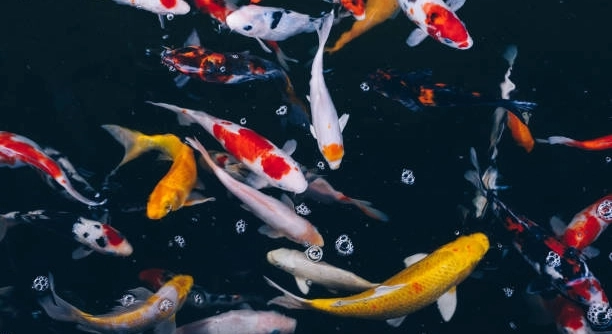
Koi fish are lively and social creatures that benefit from regular activity. Encouraging healthy play helps maintain their physical and mental well-being. This article presents seven effective ways to promote active and engaging play among koi.
Encouraging healthy koi play involves providing an enriched environment, ensuring proper nutrition, maintaining water quality, and offering interactive stimuli. These factors collectively support their natural behaviors and contribute to their overall health and vitality.
Understanding these methods will help create a vibrant environment where koi can thrive and enjoy a more stimulating, healthy life.
Create an Enriched Environment
Providing a stimulating environment is essential for encouraging healthy play in koi. Adding plants, rocks, and safe hiding spots mimics their natural habitat and invites exploration. Different textures and shapes offer new experiences, keeping koi curious and active. Including floating objects or koi-safe toys can also spark interest and interaction. Changing these elements occasionally prevents boredom and maintains their engagement. Proper pond size and depth allow koi enough space to swim freely and play. Clean water and good filtration support their health, making play more enjoyable. Attention to temperature and lighting conditions helps maintain their comfort, encouraging consistent activity. A well-designed environment helps koi express natural behaviors, which improves their physical health and mental stimulation. This approach reduces stress and promotes a lively atmosphere in the pond. Observing koi reactions to environmental changes can guide adjustments to better suit their preferences and needs, ensuring ongoing enrichment.
Creating an enriched environment supports physical and mental activity. It makes koi more responsive to play and helps prevent inactivity.
Consistent enrichment is key to sustaining koi play. Introducing varied elements periodically keeps koi engaged and curious. Careful observation will show which features promote more interaction, allowing fine-tuning of their habitat. Healthy koi that regularly play tend to show better coloration and overall vitality, making this effort worthwhile.
Maintain Proper Nutrition
Healthy play depends significantly on a balanced diet tailored to koi needs. Providing high-quality koi food rich in essential nutrients supports energy levels and physical condition. Incorporating natural treats like earthworms or vegetables can add variety and stimulate foraging behavior, which encourages movement and playfulness. Feeding smaller portions multiple times a day prevents overeating and promotes consistent energy. Avoid overfeeding, as excess waste affects water quality and koi health. Supplements like spirulina enhance color and immune function, indirectly supporting activity. Monitoring koi appetite and adjusting diet based on seasonal changes helps maintain their vitality. Proper nutrition fuels koi to engage in more vigorous and frequent play. Feeding routines also offer opportunities for interaction and training, which stimulate their minds. Combining good nutrition with environmental enrichment creates a balanced lifestyle that encourages natural behaviors and healthy activity.
Balanced nutrition directly impacts koi energy and playfulness. A varied diet ensures they remain active and vibrant throughout the year.
Maintain Water Quality
Clean, well-oxygenated water is vital for koi to stay healthy and active. Regular water changes and proper filtration keep harmful substances low. Testing water parameters like pH, ammonia, nitrites, and nitrates ensures a safe environment.
Water quality directly affects koi behavior and energy levels. Poor water conditions cause stress, which reduces their desire to play. Consistent maintenance of the pond’s water helps prevent illness and promotes vigorous movement. Using biological filters encourages beneficial bacteria growth that breaks down waste. Aeration increases oxygen levels, supporting koi metabolism and stamina. Keeping water clear also allows koi to see their surroundings better, enhancing interaction with toys and other fish. Monitoring temperature fluctuations is necessary to avoid stress during seasonal changes. Maintaining these conditions creates a stable environment where koi feel secure enough to engage in play regularly.
Testing and maintaining water quality should be part of a weekly routine. Using reliable testing kits helps detect issues early, allowing timely intervention to protect koi health. Clear water not only supports physical health but also improves the overall atmosphere of the pond.
Provide Interactive Stimuli
Introducing stimuli such as floating toys or feeding rings encourages koi to move and interact more often. These tools prompt natural curiosity and playful behavior.
Interactive stimuli promote mental engagement, which is as important as physical exercise. Toys that move with the water or respond to koi touch provide enrichment that keeps them busy. Feeding rings allow koi to gather and compete gently, stimulating social interaction. Regularly rotating toys prevents boredom and maintains interest. Using non-toxic, pond-safe materials ensures koi safety. Interaction also strengthens the bond between koi and their environment, making playtime a rewarding experience. Stimuli that encourage chasing or gentle competition enhance coordination and energy use, contributing to overall well-being. Observing koi preferences guides the choice of effective stimuli to include in the pond.
Balancing rest with stimulation is essential to avoid overstressing koi. Providing breaks between active periods helps maintain a healthy level of play without fatigue or anxiety.
Encourage Social Interaction
Koi are social fish that thrive when kept in groups. Having companions encourages natural play and movement.
Social interaction stimulates mental and physical activity. Koi chase and follow each other, which promotes exercise and reduces boredom.
Avoid Overcrowding
Overcrowding causes stress and limits space for healthy play. Maintain appropriate stocking density for your pond size.
Overcrowding increases competition for resources, reducing playtime. Providing enough room supports better water quality and koi comfort, encouraging regular activity.
Use Safe Play Accessories
Choose accessories designed for koi safety, avoiding sharp edges or toxic materials. Safe toys encourage exploration without harm.
FAQ
How often should I change the water to keep koi active?
Regular water changes are essential to maintain water quality and support koi health. Changing about 10-20% of the pond water weekly helps remove toxins and refresh oxygen levels. This practice prevents buildup of ammonia and nitrates, which can stress koi and reduce their activity. Monitoring water quality consistently allows adjustments to the water change schedule as needed, depending on pond size, filtration, and fish load. Proper water changes create a cleaner environment that encourages koi to swim and play more vigorously.
What types of toys are safe for koi?
Safe toys include floating balls made of non-toxic plastic, koi-safe rubber rings, and smooth, pond-safe floating logs. Avoid sharp edges, small parts that can be swallowed, or materials that degrade quickly in water. Toys should be large enough not to fit into koi mouths but easy for them to interact with. Natural items like clean, smooth stones or driftwood can also serve as enrichment. Regularly inspect toys for damage or wear to prevent injuries.
Can koi play too much?
While play is beneficial, koi can become stressed or fatigued if overstimulated. Signs of overplay include erratic swimming, hiding, or reduced appetite. It is important to balance active periods with rest and quiet times. Observe koi behavior closely and remove or rotate toys if needed to prevent stress. Ensuring good water quality and nutrition also supports healthy activity levels.
How does nutrition influence koi play?
Proper nutrition fuels koi energy and supports overall health. A diet rich in proteins, vitamins, and minerals helps maintain stamina and vitality, making koi more willing to engage in play. Seasonal adjustments are necessary, with higher protein levels in warmer months to boost activity and lighter feeding in cooler months to match metabolism. Providing varied food, including natural treats, encourages natural foraging behaviors linked to play.
What role does pond size play in koi play?
Adequate space allows koi to swim freely, explore, and interact naturally. Small or overcrowded ponds restrict movement and can lead to stress, reducing play behavior. A larger pond with varied depths and features promotes exploration and exercise. Pond size should match the number and size of koi to ensure comfort and activity. Proper design also aids in maintaining water quality.
How can I encourage shy koi to play?
Shy koi often benefit from gradual introduction to enrichment and social groups. Providing hiding spots initially helps them feel secure. Introducing toys slowly and observing their reactions prevents overwhelming them. Placing toys near favored areas can attract shy koi. Social interaction with other koi also encourages participation. Patience and consistent positive environments help shy koi become more active over time.
Are there specific times koi are more playful?
Koi tend to be more active during warmer daylight hours when temperatures are stable. Morning and late afternoon often see increased movement and feeding activity. Cooler or very hot conditions reduce play as koi conserve energy. Maintaining stable temperatures and consistent feeding schedules supports regular play periods.
What signs indicate that koi are healthy and playful?
Healthy koi display vibrant colors, smooth swimming, and regular interaction with their environment. They respond to stimuli such as toys, other fish, or feeding. Playful koi chase each other, explore objects, and show curiosity. Lack of these behaviors may signal stress, illness, or poor water conditions. Monitoring behavior regularly ensures timely care.
Final Thoughts
Encouraging healthy play in koi is essential for their well-being. Play is not just about entertainment; it supports physical health and mental stimulation. Koi that are active and engaged tend to have stronger immune systems and better overall condition. A balanced environment with clean water, proper nutrition, and social interaction creates the foundation for healthy play. Consistent care and attention to these factors make a significant difference in koi behavior and longevity. Play helps koi maintain muscle tone and coordination, which contributes to their ability to thrive in a pond setting.
It is important to remember that every koi is unique and may respond differently to various play stimuli. Some koi are naturally more active, while others may take time to warm up to toys or social interaction. Observing koi closely can provide valuable insights into their preferences and comfort levels. Adjusting the environment or enrichment tools based on these observations can enhance their experience and encourage more frequent play. Avoiding overcrowding and maintaining water quality further supports a healthy atmosphere where koi feel secure. Stress reduction through a well-managed habitat leads to more natural and frequent playful behavior.
Promoting healthy play requires ongoing effort and attention but rewards koi owners with lively, vibrant fish. By providing the right conditions and stimuli, koi will show more natural behaviors and increased vitality. It is a balance of creating a safe, enriched environment and meeting their physical needs through diet and clean water. Regular monitoring and adjustments keep koi comfortable and motivated to play. Healthy play not only benefits the koi but also enriches the pond environment, making it more enjoyable to watch and care for these beautiful fish.

Hello,
If you enjoy the content that we create, please consider saying a "Thank You!" by leaving a tip.
Every little bit helps us continue crafting quality advice that supports the health, happiness, and well-being of pets around the world, for pets of all shapes, sizes, and species.
We really appreciate the kindness and support that you show us!