
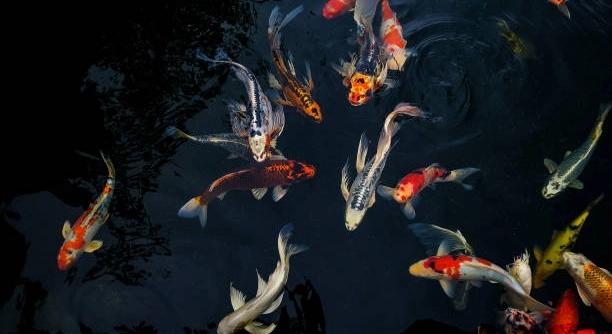
Koi fish are known for their graceful swimming and calm behavior in ponds. Most of the time, they follow steady routines and familiar paths. However, sometimes koi surprise us by changing their usual patterns unexpectedly.
Koi break their typical behaviors in several ways, such as altering their swimming routes, showing different social interactions, or reacting unusually to environmental changes. These deviations can be caused by factors like stress, health issues, or shifts in habitat conditions.
Recognizing these changes helps us better understand koi and care for them more effectively. Observing their behavior closely can reveal important clues about their well-being and environment.
Changes in Swimming Patterns
Koi usually swim calmly and follow predictable routes around their pond. Sometimes, they suddenly change these paths or swim in erratic ways. This can happen when koi feel threatened or stressed. New visitors, loud noises, or changes in water temperature can cause these shifts. Occasionally, koi might explore parts of the pond they usually avoid. This behavior might show curiosity or a search for food. When koi swim near the surface more often, it may mean they need more oxygen. Watching these movements carefully can help identify any problems early. Sometimes, changes in swimming patterns are temporary, while other times they may indicate illness or discomfort.
Sudden changes in swimming behavior often signal that koi are reacting to their environment. These shifts are not random but reflect their current state.
Understanding these swimming changes can improve how you care for your koi. Adjusting the environment or checking water quality can help koi return to their usual calm patterns.
Social Behavior Shifts
Koi are social fish that often swim together. Occasionally, koi act differently by avoiding others or becoming more aggressive. This may happen when a new fish is introduced or if the pond is overcrowded. Sometimes koi establish new social ranks, changing how they interact. These changes can last for a few days or become long-term. Watching koi behavior helps know when intervention is needed to prevent stress or injury.
When koi alter their social habits, it often points to changes in group dynamics or health.
Koi social behavior varies with their mood and environment. They usually swim peacefully, but disruptions can lead to isolation or fights. Keeping the pond clean and not overcrowding helps maintain balance. If koi avoid others, it might be a sign of illness or stress. Aggressive behavior can increase during breeding season or if food is scarce. Knowing these social signals supports keeping koi healthy and happy. Proper space and calm surroundings encourage normal social interactions and reduce tension. Regular observation helps detect early signs of problems before they worsen.
Unusual Feeding Habits
Koi usually eat at regular times and show interest in food when it’s offered. Sometimes they stop eating or become picky, which can be a sign of stress or illness.
Changes in feeding habits may occur due to water temperature drops or poor water quality. Koi often eat less when the water is cold because their metabolism slows down. If koi refuse food even in warm conditions, it might indicate parasites or infections. Offering fresh, balanced food and monitoring water parameters can help restore their appetite. Sudden changes in diet or environment can also cause koi to reject food temporarily.
It’s important to watch koi during feeding to notice these changes early. Feeding small amounts more frequently encourages better eating habits. If koi persistently avoid food, a water test and health check are recommended to identify potential problems and take action.
Hiding or Staying Still
Koi normally swim freely, but they may suddenly hide or stay still for longer periods. This often means they feel unsafe or sick.
Hiding behavior usually increases when koi face threats like predators, loud noises, or water quality problems. Sick koi tend to isolate themselves to conserve energy and avoid conflicts. Sometimes koi hide under plants or decorations to feel secure. This behavior can also happen after sudden changes in the pond or during times of high stress. Identifying and fixing water issues or reducing disturbances often helps koi return to normal activity.
Prolonged hiding or stillness is a strong signal that something is wrong. Immediate attention to their environment and health is necessary to prevent worsening conditions. Regular observation allows you to detect these subtle signs early, supporting koi well-being.
Changes in Color or Markings
Koi usually have consistent colors and patterns. Sometimes, their colors may fade or change slightly over time due to age or water conditions.
Sudden or drastic changes in color can indicate stress, poor diet, or illness. Keeping water clean and feeding quality food helps maintain their vibrant appearance.
Restlessness or Increased Activity
Koi generally move calmly, but they can become restless or swim rapidly for no obvious reason. This behavior might happen during temperature changes or when oxygen levels drop.
Restlessness may also signal irritation from parasites or discomfort in the water. Regular water testing and observation help catch these issues early to keep koi healthy.
Unusual Breathing Patterns
Koi usually breathe steadily and calmly. When they breathe quickly or gasp at the surface, it often means oxygen levels are low or water quality is poor.
Addressing these factors quickly ensures koi do not suffer from stress or harm caused by poor conditions.
FAQ
Why do koi suddenly change their swimming patterns?
Koi often change their swimming behavior due to environmental shifts. Changes in water temperature, oxygen levels, or new objects in the pond can make them swim differently. Stress from loud noises or nearby disturbances also affects their movement. Sometimes, illness or parasites cause koi to swim erratically or stay near the surface more than usual. Watching these changes closely can help catch problems early before they worsen. Regular pond maintenance and stable conditions usually keep koi swimming calmly and predictably.
What causes koi to stop eating or become picky?
Feeding changes often happen when water temperature drops or the koi feel stressed. Koi metabolism slows in cold water, so they eat less naturally. Poor water quality or disease can also reduce their appetite. Stress from overcrowding or new pond additions may make koi reluctant to eat. Feeding small portions frequently and offering high-quality food can encourage koi to eat. If koi refuse food for several days, checking water conditions and consulting a vet is important.
Why do koi hide more than usual?
Hiding is a natural response when koi feel threatened or sick. Loud noises, predators, or sudden changes in the environment can cause koi to seek shelter. Sick koi isolate themselves to rest and avoid conflict. Poor water quality or parasites also make koi hide more. Providing plenty of plants or decorations helps koi feel safe. Watching for extended hiding can indicate when the pond environment needs improvement or when koi require medical care.
Is it normal for koi colors to fade or change?
Koi colors can change gradually as they age or because of water conditions. Fading might happen if water quality is poor or sunlight exposure varies. Sudden color changes usually signal stress, illness, or nutritional problems. Feeding balanced, quality food and keeping water clean supports healthy colors. Regular water testing and avoiding harsh chemicals help koi maintain their vibrant appearance.
Why do koi become restless or swim quickly sometimes?
Restlessness often occurs when water temperature shifts or oxygen levels drop. Koi may swim rapidly to find better conditions. Parasites or irritation on their skin can also cause increased movement. Restless behavior is a sign to check water quality and health. Ensuring proper aeration and clean water reduces stress. Observing koi regularly helps detect restlessness early so corrective steps can be taken.
What does unusual breathing in koi mean?
Fast or heavy breathing usually means low oxygen in the pond or poor water quality. Koi might gasp at the surface when oxygen is scarce. This can happen during hot weather, overstocking, or insufficient aeration. Improving water flow and adding oxygen sources like air pumps helps koi breathe easily. If breathing problems persist, water testing and health checks are needed to find and fix the cause.
How can I tell if koi behavior changes mean illness?
Look for combined signs such as loss of appetite, hiding, erratic swimming, and unusual breathing. Physical signs like spots, sores, or swelling alongside behavior changes also point to illness. Stress from poor water quality often triggers these symptoms. Early detection through close observation allows timely treatment. Regular water testing and maintaining stable conditions reduce the risk of disease. If symptoms continue, seeking advice from a fish health expert is best.
Can koi behavior changes affect their long-term health?
Yes, behavioral changes often reflect stress or health problems that can worsen without attention. Prolonged hiding, poor appetite, or abnormal swimming can lead to weakened immunity and infections. Maintaining a clean, stable pond and watching for early signs help prevent long-term damage. Prompt care improves koi survival and quality of life. Regular care and observation are key to supporting koi health and longevity.
What steps can I take if I notice unusual koi behavior?
First, test water quality for ammonia, nitrites, nitrates, pH, and oxygen levels. Correct any imbalances immediately. Observe koi for physical symptoms and separate any sick fish if possible. Improve aeration and remove potential stressors like loud noises or overcrowding. Feed high-quality food in small amounts to encourage eating. If behavior doesn’t improve, consult a vet specializing in fish. Taking early action usually leads to better outcomes.
How often should I observe koi behavior?
Daily observation is ideal to notice subtle changes early. Spending a few minutes each day watching how koi swim, eat, and interact helps catch problems before they become serious. Regular checks also ensure water and equipment are working well. Consistent attention supports healthy koi and a balanced pond environment. Building this routine makes caring for koi easier and more rewarding.
Koi are beautiful and peaceful fish that bring calmness to any pond. Most of the time, they follow steady patterns in how they swim, eat, and interact. However, it is natural for koi to sometimes behave differently or break their usual routines. These changes can happen for many reasons, such as changes in water temperature, stress, illness, or the environment. Paying attention to these unusual behaviors is important because they often tell us how the koi are feeling and whether something in their habitat needs attention. Being aware of their patterns helps keep koi healthy and happy.
When koi break their usual habits, it is often a signal to check on their surroundings. For example, if they stop eating, hide more than usual, or swim erratically, it may mean the water quality is poor or that they are not feeling well. Regularly testing the water and making sure the pond conditions are stable can prevent many problems. Also, providing enough space, clean water, and good food helps koi maintain their normal behavior. Catching early signs of stress or illness allows for quick action, which can protect koi from serious health issues.
Overall, understanding koi behavior and noticing when they act differently helps ensure they live longer and better lives. Koi can thrive when their environment meets their needs and any problems are addressed quickly. Keeping a close eye on their patterns and being ready to act when changes occur makes caring for koi easier and more rewarding. With consistent care and attention, koi continue to be a lovely and peaceful presence in any garden pond.

Hello,
If you enjoy the content that we create, please consider saying a "Thank You!" by leaving a tip.
Every little bit helps us continue crafting quality advice that supports the health, happiness, and well-being of pets around the world, for pets of all shapes, sizes, and species.
We really appreciate the kindness and support that you show us!