
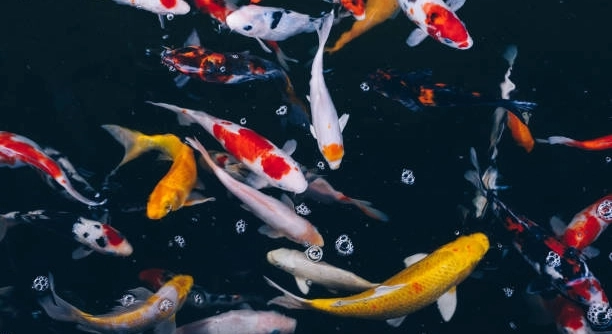
Koi fish are admired for their beauty and graceful presence in garden ponds. Many enthusiasts seek to understand what makes certain koi stand out above the rest. Recognizing key traits can help identify high-quality koi fish.
High-quality koi fish exhibit specific characteristics including vibrant coloration, well-defined patterns, balanced body shape, smooth skin texture, strong health, active behavior, and clear eyes. These traits collectively indicate superior breeding and overall fish quality.
Knowing these traits can improve koi selection and care, enhancing the enjoyment and success of keeping these elegant fish.
Vibrant Coloration and Well-Defined Patterns
Vibrant coloration is one of the most noticeable traits in high-quality koi fish. These colors should appear rich and bright, without any dull or faded areas. The most prized koi have clear, distinct colors such as deep reds, bright whites, and shiny blues. Well-defined patterns also play a crucial role in judging quality. Patterns need to be symmetrical and balanced across the fish’s body. Irregular or blurry markings often indicate lower quality or health issues. The edges between colors should be sharp and clean, not smudged or uneven. These visual traits not only enhance the koi’s beauty but also reflect good genetics and proper care. Coloration can change slightly with age, but the basic vibrancy and pattern definition should remain strong. This makes these features important markers when selecting koi for display or breeding.
Clear coloration and sharp patterns indicate the koi’s strong genetic background and overall health status.
Color and pattern traits provide immediate visual appeal and often determine a koi’s value. Healthy skin enhances these features by creating a smooth, shiny surface that reflects light well. When colors and patterns are distinct, they highlight the fish’s graceful movement in water. Selecting koi based on these traits helps ensure the fish will maintain its appearance over time, making it a satisfying addition to any pond.
Balanced Body Shape and Smooth Skin Texture
Balanced body shape is essential for koi to move gracefully and stay healthy. A well-proportioned koi has a thick, sturdy body with smooth curves from head to tail. The fish should not appear too thin or overly fat, as both extremes can indicate health problems or poor breeding. Smooth skin texture without bumps or lesions is another indicator of quality. Healthy skin feels firm and looks glossy. It protects the koi from infections and supports vibrant coloration. Rough or damaged skin suggests stress, disease, or inadequate care. Maintaining proper water conditions and nutrition helps preserve these traits. Together, balanced shape and smooth skin create koi that are both visually attractive and physically sound.
Balanced shape supports good swimming ability and long-term vitality in koi.
Proper body proportions influence the fish’s ability to swim efficiently and resist stress. A thick, symmetrical form helps koi handle pond conditions and social interactions with other fish. Smooth skin texture also reduces susceptibility to parasites and infections, which can otherwise impair koi health. These traits ensure the fish thrives in various environments, sustaining its beauty and strength. Careful observation of body shape and skin condition can prevent future problems, supporting the koi’s well-being and lifespan.
Strong Health and Active Behavior
Strong health is evident in koi that swim actively and respond well to their environment. Healthy koi have clear eyes, regular breathing, and smooth movements without signs of lethargy or distress.
Healthy koi maintain consistent energy levels throughout the day. They explore their surroundings, feed eagerly, and interact well with other fish. Signs of illness include sluggish swimming, clamped fins, or lack of appetite. Maintaining clean water and balanced nutrition supports strong health, reducing the risk of disease. Observing behavior closely can help detect early health issues, allowing prompt action to prevent serious problems. Active koi also demonstrate good internal function and immune response, key factors in longevity.
Active behavior is a clear indicator of koi vitality. It reflects proper care and an environment that meets their needs. When koi display lively movement and curiosity, it usually means their health is well maintained. These traits contribute to their appeal and enjoyment in a pond setting. Fish that are consistently active tend to resist stress and adapt better to changes, making health and behavior essential criteria in selecting high-quality koi.
Clear Eyes and Overall Appearance
Clear eyes without cloudiness or damage signal good koi health and genetics. Eyes should be bright and symmetrical.
Eyes are a window to the koi’s health status. Cloudy or sunken eyes may indicate infection, injury, or poor water quality. Symmetrical eyes positioned evenly on the head reflect proper development. Clear eyes help the fish navigate their environment and respond to stimuli. Maintaining stable water conditions and avoiding stressors protect eye health. Regular observation ensures that any abnormalities are detected early. Clear eyes also enhance the koi’s overall appearance, contributing to their elegant look.
Overall appearance combines all traits into a balanced and harmonious fish. This includes vibrant colors, smooth skin, strong shape, active behavior, and clear eyes. A koi that scores well on each of these points stands out as high-quality. Their presence in a pond adds visual interest and satisfaction. Attention to detail in appearance often reflects good breeding and excellent care, which contribute to the fish’s longevity and well-being.
Clear Eyes
Clear eyes are a key sign of koi health. They should be bright, shiny, and free of cloudiness or spots.
Healthy koi have symmetrical eyes positioned evenly on their heads. Any discoloration or swelling can indicate health problems or poor water quality.
Proper Size and Growth Rate
Koi with proper size and steady growth are indicators of good genetics and care. Growth should be consistent without sudden stops or irregularities. Rapid growth might suggest overfeeding or poor water quality, while slow growth could point to stress or insufficient nutrition. A koi that grows steadily tends to develop strong body shape and vibrant colors. Monitoring growth helps in maintaining a healthy environment and adjusting care routines. Proper size enhances the fish’s appearance and swimming ability, making it an important trait to watch closely for anyone raising koi fish.
Strong Immune System
A strong immune system helps koi resist diseases and recover faster from injuries.
Calm Temperament
Koi with a calm temperament coexist well with other fish. This trait promotes a balanced pond environment and reduces stress-related health issues.
FAQ
What is the best way to identify a high-quality koi?
High-quality koi can be identified by their vibrant colors, clear and well-defined patterns, balanced body shape, smooth skin texture, active behavior, clear eyes, and overall strong health. Each trait contributes to the fish’s appearance and vitality. Observing these features together gives a good indication of koi quality.
How often should koi fish be checked for health issues?
Regular observation is essential. Ideally, koi should be checked daily or every few days to catch early signs of illness or stress. Watching for changes in behavior, appetite, skin condition, and eye clarity helps maintain their well-being and ensures prompt care if problems arise.
Can poor water quality affect koi traits?
Yes. Poor water quality can dull koi coloration, damage skin texture, and cause health problems like infections or lethargy. Maintaining clean, well-filtered water with proper pH, temperature, and oxygen levels is crucial for preserving high-quality traits and overall fish health.
What are common signs of koi illness?
Common signs include clamped fins, sluggish swimming, loss of appetite, cloudy eyes, skin lesions, or unusual spots. Early detection of these symptoms allows for faster treatment, preventing serious damage to the koi’s health and appearance.
Does diet impact koi quality?
Diet has a significant impact. A balanced diet rich in proteins, vitamins, and minerals supports vibrant coloration, strong immune function, and steady growth. Overfeeding or poor-quality food can cause health problems and affect the fish’s overall appearance.
How important is koi genetics in determining quality?
Genetics play a major role. Well-bred koi inherit traits like vibrant colors, symmetrical patterns, and strong body structure. Poor genetics can lead to irregular growth, dull colors, and weak health, despite good care.
Can koi color change over time?
Yes, some color change is normal as koi mature. However, significant fading or loss of pattern clarity may indicate stress, poor nutrition, or water issues. Consistent care helps maintain the fish’s original coloration.
Is it better to buy koi from breeders or stores?
Reputable breeders usually offer higher-quality koi with known genetics and health histories. Stores may carry koi of varying quality. Buying from breeders increases the chances of getting fish with desirable traits and reduces risk of disease.
How do koi temperament and behavior affect pond life?
Calm koi tend to coexist peacefully, reducing stress and injury risks. Aggressive or overly shy koi may disrupt pond harmony, affecting the health and growth of other fish.
What should be done if a koi shows signs of illness?
Isolate the affected koi to prevent spreading disease. Test water quality, adjust diet, and consult a specialist for proper treatment. Early action improves recovery chances and protects the rest of the pond’s inhabitants.
How can I support the immune system of my koi?
Provide a balanced diet, maintain optimal water quality, and minimize stress by avoiding overcrowding. Regular health checks and prompt treatment of minor injuries also strengthen the immune response.
Are larger koi always better quality?
Not necessarily. While size can reflect good growth and care, quality depends on a combination of traits. A smaller koi with vibrant colors and balanced shape may be more valuable than a large fish with poor coloration or body form.
How long do high-quality koi typically live?
With proper care, high-quality koi can live 25 to 35 years or more. Good genetics, diet, and environment contribute to their longevity and sustained appearance.
What role does water temperature play in koi health?
Water temperature affects metabolism, immune function, and activity levels. Sudden temperature changes or extremes can stress koi, making them vulnerable to disease and affecting their coloration and growth.
How often should koi ponds be cleaned?
Regular cleaning and maintenance are needed to keep water quality high. Partial water changes every one to two weeks, along with filter cleaning, help prevent buildup of harmful substances and support healthy koi traits.
This FAQ provides practical answers to common concerns about koi traits and care. Following these guidelines helps maintain koi health and beauty over time.
Final Thoughts
High-quality koi fish show a combination of important traits that reflect good health, strong genetics, and proper care. These traits include vibrant colors, clear patterns, smooth skin, balanced body shape, clear eyes, active behavior, and a calm temperament. Observing these qualities helps in selecting koi that will thrive in your pond and provide lasting enjoyment. Each trait is a sign of a well-maintained fish and contributes to the koi’s overall appeal.
Maintaining high-quality koi requires consistent attention to their environment and needs. Proper water quality is essential to support their health and vibrant appearance. Regular monitoring of water parameters such as pH, temperature, and cleanliness helps prevent stress and illness. Feeding koi a balanced diet designed for their nutritional needs also plays a crucial role. Good nutrition supports growth, coloration, and immune function. Taking time to observe koi behavior and appearance daily allows early detection of any health issues, which is key to effective treatment and care.
Investing effort into selecting and caring for koi fish is rewarding. High-quality koi add beauty and life to any pond setting. They can live for many years when cared for properly, making them a long-term commitment. Understanding the traits that define quality helps in making informed choices and provides confidence in maintaining koi health. Consistent care ensures that koi remain active, healthy, and visually stunning throughout their lives.

Hello,
If you enjoy the content that we create, please consider saying a "Thank You!" by leaving a tip.
Every little bit helps us continue crafting quality advice that supports the health, happiness, and well-being of pets around the world, for pets of all shapes, sizes, and species.
We really appreciate the kindness and support that you show us!