
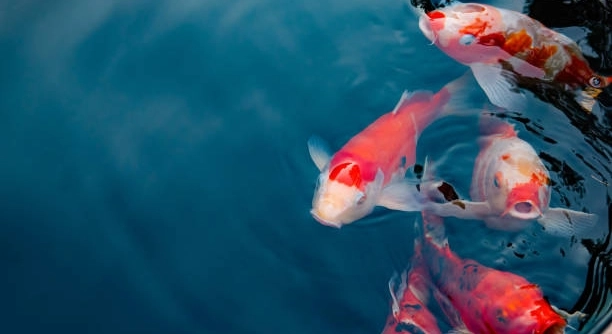
Koi fish can sometimes show signs of stress, which affects their health and well-being. Gentle movements in their environment help calm them down and promote a peaceful atmosphere. Caring for koi includes understanding how to soothe them effectively.
Seven gentle movements, such as slow water flow, soft hand gestures, and calming light adjustments, have been identified as effective in reducing stress in koi. These actions create a stable and comforting environment, which supports their natural behavior and health.
Knowing how these simple techniques work will improve your koi’s quality of life and deepen your connection with these beautiful fish.
Slow Water Flow
Creating a gentle, slow water flow in your koi pond is one of the easiest ways to soothe stressed koi. Fast or turbulent water can startle them and make them anxious, but slow-moving water mimics their natural environment. It helps them feel safe and encourages relaxed swimming. You can achieve this by adjusting pumps or adding water features like small waterfalls or bubbler stones that create soft ripples rather than strong currents. Watching your koi swim calmly through slow currents can be calming for both the fish and you. It also helps improve water oxygenation without causing stress, which is essential for their health. Consistent, gentle water movement keeps the environment stable and reduces sudden changes that could upset your koi.
Maintaining slow water flow reduces koi stress and promotes a steady habitat that supports their well-being over time.
Slow water flow creates a peaceful setting for koi to thrive, encouraging natural behavior and reducing signs of stress like erratic swimming or hiding.
Soft Hand Gestures
Koi often react positively to slow, soft hand movements near the pond surface. Quick or sharp motions can frighten them, but gentle gestures can encourage curiosity and trust. Over time, koi can even learn to recognize these movements as non-threatening, making it easier for you to approach and interact with them. When feeding or checking the water, keep your hands slow and steady. This reduces sudden reflections or shadows that might startle them. Some koi owners find that softly waving their hand just above the water invites their fish closer. The koi will associate these gestures with calmness and safety, which helps lower stress levels.
Regular practice of soft hand gestures helps build a calm routine, making koi feel more secure in their environment. It can also strengthen your bond by creating positive interactions that koi look forward to. Just remember to stay patient and keep your movements deliberate and slow. Over time, your koi will respond with less fear and more relaxed behavior. This gentle approach is simple but effective for maintaining a stress-free pond atmosphere.
Calm Lighting
Soft, natural lighting helps keep koi calm by reducing harsh reflections and sudden changes in brightness. Bright, direct sunlight or strong artificial lights can stress fish and cause them to hide or behave nervously. Adjust lighting to create a gentle, consistent environment for your koi.
Using shaded areas or floating plants can diffuse sunlight, providing koi with places to retreat when light levels feel too strong. Avoid harsh artificial lights at night to maintain their natural rhythms. Gentle lighting supports koi’s stress recovery by mimicking the natural conditions they thrive in. Consistent light patterns also help regulate their internal clocks, promoting healthier behavior and better immune responses.
When lighting is too bright or inconsistent, koi can become restless and stressed. Managing light carefully keeps their environment soothing and stable, allowing them to swim peacefully and reduce signs of anxiety.
Gentle Surface Ripples
Small ripples on the water surface create a calming effect by breaking up reflections and improving oxygen levels without disturbing koi. These soft movements simulate natural water patterns koi are used to in ponds and slow streams, helping them feel safe.
Introducing gentle ripples can be done through bubbler stones or small fountains that don’t produce strong currents. The subtle motion encourages koi to swim leisurely and reduces the likelihood of sudden fright responses. It also helps distribute heat and oxygen evenly throughout the pond. This balanced environment supports koi health and decreases stress caused by stagnant or overly turbulent water.
Too much surface movement can cause koi to dart and hide, but gentle ripples keep the pond lively yet peaceful. These small water motions maintain a comfortable habitat that supports calm, healthy fish.
Soft Water Temperature Changes
Sudden changes in water temperature can stress koi and affect their immune system. It’s best to adjust water temperature slowly and gradually over time.
Keeping a stable water temperature helps koi stay comfortable and reduces the risk of illness. Avoid abrupt shifts caused by heaters or weather changes.
Slow Hand Feeding
Feeding koi slowly with gentle hand movements prevents stress and encourages calm behavior. Rushing or splashing during feeding can make koi nervous.
Slow feeding also helps koi focus on eating without competing aggressively. This peaceful routine promotes trust between you and your fish.
Minimal Loud Noise
Loud noises near the pond can startle koi and cause stress. Avoid playing loud music or creating sudden sounds around their environment.
Keeping noise levels low allows koi to feel safe and relaxed, supporting their overall health and well-being.
FAQ
How do gentle movements help reduce stress in koi?
Gentle movements create a calm environment for koi by mimicking natural conditions. Slow water flow, soft hand gestures, and gentle surface ripples reduce sudden disturbances that can startle fish. These subtle motions help koi feel safe, encouraging relaxed swimming and natural behavior, which lowers stress levels. A stable environment allows koi to maintain healthy immune functions and better overall well-being.
What are the best ways to create slow water flow?
Adjusting pond pumps or adding small water features like waterfalls or bubbler stones can help create slow, steady water flow. It’s important to avoid strong currents that make koi swim frantically. Gentle water movement also improves oxygen levels without overwhelming the fish. Regularly checking and fine-tuning your pond’s circulation system ensures a soothing environment for koi.
Why should I use soft hand gestures around my koi?
Soft hand gestures signal calmness to koi and reduce fear. Sudden or fast movements can cause them to dart away or hide. By moving hands slowly near the pond surface, koi learn that you are not a threat. Over time, this builds trust and makes feeding or pond care less stressful for both you and the fish.
Can lighting affect koi stress?
Yes, lighting plays a big role in koi comfort. Bright sunlight or harsh artificial lights can cause koi to hide or become restless. Soft, natural lighting or shaded areas help reduce stress by providing a gentle, consistent atmosphere. Avoid sudden changes in lighting to maintain koi’s natural day-night cycle.
How do surface ripples benefit koi?
Gentle surface ripples break up reflections and improve oxygenation without creating strong currents. These subtle water movements simulate natural pond environments and help koi stay calm. Too much disturbance, however, can increase stress, so balance is key when adding water features.
What water temperature changes stress koi the most?
Koi are sensitive to rapid temperature shifts. Sudden warming or cooling can disrupt their metabolism and immune system. Slow, gradual changes in water temperature allow koi to adjust without stress. Using heaters or coolers carefully and monitoring weather conditions help maintain stable temperatures.
Why is slow hand feeding important for koi?
Slow hand feeding prevents sudden splashing and competition, which can stress koi. Gentle, deliberate movements create a peaceful feeding time. This practice also encourages koi to approach calmly, building a positive interaction that reduces anxiety during feeding.
How do loud noises affect koi?
Loud sounds or vibrations can frighten koi, causing erratic swimming or hiding. Frequent noise disturbances increase stress and weaken their immune defenses. Minimizing noise near the pond creates a safer space where koi can feel relaxed and behave naturally.
Can gentle movements help sick or injured koi?
Yes, gentle movements and a calm environment support recovery. Stress slows healing, so reducing disturbances helps koi focus energy on getting better. Slow water flow, soft light, and quiet surroundings are beneficial during illness or injury.
Is it okay to touch koi gently to calm them?
Touching koi gently can sometimes soothe them if done correctly, but it’s best to avoid excessive handling. Use slow, light strokes near the water surface rather than grabbing. Always ensure your hands are clean and free of chemicals. Respect koi’s comfort to prevent adding stress.
How often should I apply these gentle movement techniques?
Consistent application is key. Slow water flow, soft gestures, and gentle feeding should be part of daily pond care. Maintaining steady, calm conditions helps koi stay relaxed over time. Sudden changes or neglect can cause spikes in stress.
Can gentle movements help koi adapt to new environments?
Yes, these techniques ease the transition by creating a familiar, soothing setting. When moving koi or introducing new fish, slow water flow and calm handling reduce shock. Patience and gentle care help koi adjust more quickly and stay healthy.
Are there any tools that help create gentle movements automatically?
Yes, pond pumps with adjustable flow, bubbler stones, and soft lighting timers can automate gentle movements. These tools maintain a consistent, stress-free environment even when you’re not around. Choose equipment designed for gentle pond conditions.
How do I know if my koi are stressed?
Signs include erratic swimming, hiding, loss of appetite, or unusual color changes. Stress may also cause koi to stay near the surface or bottom of the pond. Watching their behavior daily helps you spot problems early and apply gentle soothing movements promptly.
Final Thoughts
Creating a calm environment for koi fish is essential for their health and happiness. Gentle movements, such as slow water flow and soft hand gestures, play a big role in reducing stress. These small actions mimic what koi experience in nature and help them feel safe in their pond. Stress can affect koi in many ways, from changes in behavior to weaker immune systems. Taking time to create gentle surroundings shows care and helps koi live longer, healthier lives.
Maintaining a steady, peaceful pond environment requires attention to several factors. Light should be soft and natural, avoiding harsh or sudden changes that could upset the fish. Water temperature must stay stable, as koi don’t handle quick shifts well. Introducing slow surface ripples improves oxygen and creates a soothing effect. Feeding should be done with calm, slow movements to avoid startling koi. Noise should be kept low near the pond because loud sounds can frighten the fish. Together, these gentle movements and considerations help build a stress-free habitat.
It’s important to remember that koi are sensitive creatures that respond to their surroundings. By providing steady, gentle care, koi become more comfortable and show healthier behaviors. These techniques not only reduce stress but also make caring for koi more rewarding. Over time, koi may even recognize and trust their caretakers through soft hand gestures and calm routines. Paying attention to these details improves the overall pond experience for both the fish and the person caring for them.

Hello,
If you enjoy the content that we create, please consider saying a "Thank You!" by leaving a tip.
Every little bit helps us continue crafting quality advice that supports the health, happiness, and well-being of pets around the world, for pets of all shapes, sizes, and species.
We really appreciate the kindness and support that you show us!