
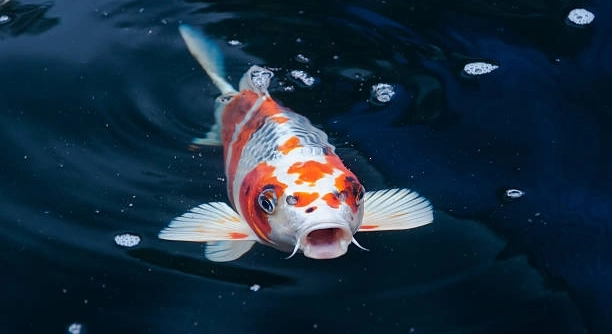
Koi fish experience different moods as the seasons change throughout the year. These shifts affect their behavior, feeding habits, and overall well-being. Understanding these changes can help koi owners care for their fish more effectively.
Seasonal shifts impact koi mood by altering water temperature, daylight hours, and oxygen levels. These changes influence koi activity, appetite, and stress responses, directly affecting their mood and behavior in measurable ways.
Recognizing these factors will help koi keepers support their fish during each season for healthier, happier koi year-round.
Temperature Changes and Koi Activity
Koi fish are very sensitive to water temperature. As the seasons shift, the water temperature in their pond changes too. When water gets colder in fall and winter, koi slow down. Their metabolism decreases, making them less active and reducing their appetite. In warmer months, koi become more energetic and eat more. Sudden temperature drops can stress koi, which may lead to illness. It’s important to monitor water temperature closely and make adjustments to help koi stay comfortable. Heating systems or aerators can keep water from getting too cold or low in oxygen. Seasonal temperature shifts are a natural part of koi life, but they affect how koi behave day to day.
Water temperature directly impacts koi mood and activity levels by controlling their metabolism and energy use throughout the year.
Adjusting care routines to match temperature changes helps koi maintain good health. Feeding less during cold months and providing warmer water conditions can prevent stress and encourage natural behaviors. These small efforts improve koi well-being across all seasons.
Daylight Hours Affect Feeding Patterns
Koi rely on daylight to regulate their internal clocks and feeding habits. During longer days in spring and summer, they eat more and stay active longer. Shorter days in fall and winter signal koi to slow down and prepare for less activity. This natural cycle affects their mood by influencing how much energy they have to swim and socialize. Changes in daylight also affect hormone levels that control growth and stress. Watching how koi respond to daylight shifts helps owners adjust feeding schedules and pond maintenance. This support keeps koi comfortable and prevents overfeeding or underfeeding during seasonal changes. Understanding the role of daylight helps create a better environment for koi all year.
Water Quality and Koi Behavior
Poor water quality can cause koi to feel stressed and uneasy. Changes in ammonia, nitrites, or pH levels make koi less active and more prone to illness.
Keeping water clean is crucial for koi mood. Regular testing and water changes reduce harmful chemicals. Filters and plants help maintain balance. Stress from bad water affects koi appetite and swimming behavior. Clean, well-oxygenated water supports koi’s natural rhythms and keeps them calm and healthy. Watching koi closely for signs of distress helps catch water issues early, improving their mood and overall vitality.
Routine water care creates a stable environment. This stability reduces koi stress and promotes positive behavior, making the pond a better place for them all year.
Seasonal Breeding Cycles and Mood
Koi breeding seasons influence their mood significantly. During spring and early summer, hormones rise, causing changes in behavior. Males become more active and sometimes aggressive, while females focus on preparing for spawning. These hormonal shifts affect mood and social interactions among koi. During this time, koi may show more energy and curiosity, but also tension. Owners should be aware of these changes to manage koi properly. Providing quiet spaces and reducing disturbances can help koi handle breeding stress. Understanding breeding cycles allows better care and helps koi stay calm through natural mood changes.
Oxygen Levels and Koi Energy
Oxygen levels in the pond change with the seasons and directly affect koi energy. Lower oxygen in warm water can make koi sluggish and stressed.
Aeration is important to keep oxygen steady. Plants and filters also help maintain good oxygen, supporting koi mood and activity.
Seasonal Feeding Habits and Mood
Koi naturally adjust their feeding habits with the seasons. In colder months, they eat less because their metabolism slows. Overfeeding during this time can harm koi health. In warmer months, koi are more active and require more food to support growth and energy. Feeding schedules should match these changes to keep koi comfortable and healthy. Understanding seasonal feeding helps prevent health problems and keeps koi mood stable.
Pond Environment Changes
Seasonal shifts affect the pond’s environment, changing water clarity, plant growth, and debris levels. These changes impact koi comfort and behavior.
FAQ
How do temperature changes affect koi mood?
Koi are cold-blooded, so their mood and activity depend heavily on water temperature. When water cools, koi slow down and eat less. They become less active and often hide more. Warmer water makes koi more energetic and social. Sudden temperature swings can stress koi, so maintaining steady water temperature helps keep their mood balanced.
What role does daylight play in koi behavior?
Daylight controls koi’s internal clocks. Longer days in spring and summer increase activity and feeding. Shorter days in fall and winter slow koi down. This natural rhythm helps koi conserve energy when food is less available and stay active when it’s abundant.
Why is water quality important for koi mood?
Poor water quality causes stress and health issues, making koi less active or even aggressive. Ammonia or nitrite spikes harm koi and change their behavior. Keeping water clean through regular testing, filtration, and partial water changes is essential for koi comfort.
How does oxygen affect koi behavior?
Oxygen levels fluctuate with temperature and plant life. Low oxygen makes koi lethargic and can cause panic swimming. Aerators and plants help maintain oxygen, keeping koi calm and energetic.
What happens during koi breeding season?
Breeding hormones cause mood swings in koi, especially males who can become more aggressive. Females focus on spawning, reducing activity. Providing quiet areas helps koi manage breeding stress.
How should feeding change with the seasons?
In cold months, koi eat less because digestion slows. Overfeeding can cause health problems. In warm months, koi need more food to support growth. Adjust feeding amounts and types based on temperature to keep koi healthy.
Can pond environment changes affect koi mood?
Yes, changes like algae blooms, debris buildup, or plant growth can stress koi. Poor visibility or crowded plants make koi uneasy. Regular pond cleaning and plant management help koi stay comfortable.
How can I tell if my koi is stressed due to seasonal shifts?
Signs include hiding, reduced appetite, erratic swimming, or changes in color. Monitoring koi daily and maintaining proper pond conditions can reduce stress. Adjust care as seasons change to support koi mood.
What tools help manage seasonal effects on koi?
Using pond heaters, aerators, filters, and timed feeders can stabilize conditions. Testing kits for water quality help catch problems early. These tools make seasonal care easier and keep koi mood steady.
Is it normal for koi to be less active in winter?
Yes, koi naturally slow down when temperatures drop. This is a survival behavior to conserve energy. Avoid disturbing koi too much during this time, and reduce feeding to prevent digestive issues.
How can I prepare my pond for seasonal shifts?
Start by cleaning debris, trimming plants, and checking equipment before major temperature changes. Test water regularly and adjust aeration or heating as needed. Planning ahead minimizes stress on koi.
Are there special foods for koi in different seasons?
Yes, high-protein foods are best in warm months to support growth. In cooler months, wheat germ or easy-to-digest foods help koi process meals with slower metabolism. Feeding seasonally appropriate food supports koi health and mood.
How often should I test pond water during seasonal changes?
Testing weekly during temperature transitions is ideal. Watch for pH shifts, ammonia, nitrites, and oxygen levels. Frequent testing allows timely action to keep koi comfortable and reduce mood swings caused by poor water quality.
Can seasonal stress cause illness in koi?
Yes, stress weakens koi’s immune system, making them more vulnerable to infections. Monitoring mood changes and pond conditions helps prevent illness triggered by seasonal stress. Prompt care and proper environment reduce risks.
What are simple ways to improve koi mood year-round?
Keep water clean and oxygenated, feed appropriately, and maintain stable temperatures. Provide shelter and reduce sudden disturbances. Observing koi behavior and adjusting care with the seasons supports a calm and healthy pond environment.
Seasonal changes have a clear impact on koi mood and behavior. As the weather shifts, so do the water temperature, daylight hours, oxygen levels, and other pond conditions. These factors influence how active koi are, how much they eat, and how they interact with each other. It is normal to see koi slow down during colder months and become more lively in warmer months. Understanding these natural changes helps koi owners care for their fish better and avoid unnecessary stress or health problems.
Taking simple steps like monitoring water quality, adjusting feeding amounts, and providing proper aeration can make a big difference in koi well-being. When koi feel comfortable in their environment, their mood improves, and they show healthier behavior. Watching for changes in koi activity or appetite during seasonal shifts gives clues about their health and comfort. Being aware of breeding seasons and providing quiet spaces also supports koi during times when their mood may be affected by hormonal changes.
Keeping a koi pond healthy throughout the year requires attention to these seasonal shifts and how they affect the fish. Small adjustments in care routines can help koi stay calm and active when conditions change. This ongoing care not only benefits koi mood but also supports their long-term health. By staying informed and attentive, koi keepers can create a stable environment that allows their fish to thrive in every season.

Hello,
If you enjoy the content that we create, please consider saying a "Thank You!" by leaving a tip.
Every little bit helps us continue crafting quality advice that supports the health, happiness, and well-being of pets around the world, for pets of all shapes, sizes, and species.
We really appreciate the kindness and support that you show us!