
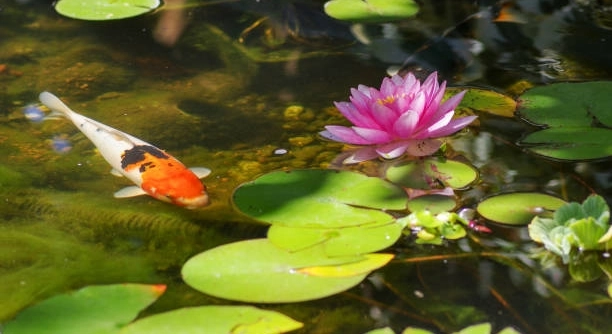
Koi fish are fascinating creatures that explore their environment using many different senses. They rely on these senses to find food, avoid danger, and interact with their surroundings. Understanding how koi sense the world helps us appreciate their behavior.
Koi use their senses of sight, smell, taste, touch, hearing, and even their lateral line system to gather information from their environment. Each sense plays a vital role in helping koi navigate, detect food, recognize others, and respond to changes in water conditions.
Learning how koi use their senses reveals interesting details about their daily lives and survival. This knowledge can deepen our connection to these beautiful fish and improve how we care for them.
How Koi Use Their Sight to Explore
Koi have well-developed eyes that help them see clearly underwater. Their vision allows them to detect colors, shapes, and movements around them. This sense helps koi find food, avoid predators, and recognize other fish. Koi are especially good at spotting contrast and motion, which is useful in murky water. Although their eyesight isn’t as sharp as some animals, it works well for their needs. Koi rely on sight to judge distances and navigate their environment safely. Bright colors and shiny objects often catch their attention, making feeding times exciting. Their eyes also help them respond quickly to changes, such as a shadow overhead, signaling a potential threat. While koi don’t see details as humans do, their vision is well adapted to their aquatic life.
Sight is crucial for koi to interact with their surroundings and stay safe.
Understanding koi vision helps with tank or pond setup. Proper lighting and clear water improve their ability to see, reducing stress and encouraging natural behavior.
The Role of Smell and Taste in Koi Exploration
Koi have an excellent sense of smell, which helps them detect food, mates, and changes in water quality. Their nostrils are sensitive to tiny particles dissolved in water. This ability is especially important in murky ponds where vision is limited. Smell helps koi identify edible plants and small insects, guiding their feeding habits. Taste also plays a role when koi nibble on things to decide if they are good to eat. These senses work together to keep koi healthy and alert to their environment. Smell can alert them to danger, like chemicals or pollutants. Both senses allow koi to explore their space without relying solely on sight.
Smell and taste are key for koi to find food and stay safe.
Koi use smell to locate food from a distance and taste to confirm it’s safe. This combination ensures they don’t waste energy on harmful substances. In natural ponds, their keen nose helps them thrive by sensing changes others might miss. Their taste buds are located on their barbels (the whisker-like organs), which they use to explore objects closely. Together, these senses allow koi to enjoy a wide variety of foods and avoid harmful substances, maintaining their health in different environments. This adaptability helps koi survive in varied conditions and makes them resilient fish.
How Koi Use Their Touch to Understand Their Environment
Koi use their skin and barbels to feel their surroundings. These touch sensors help them detect changes in water flow and texture nearby.
The barbels on their mouths are very sensitive and help koi explore objects by touch and taste. These whisker-like appendages allow koi to find food buried in sediment or hidden in plants. Their skin can also sense vibrations and pressure changes, helping them react to nearby movements or potential threats. This tactile information helps koi navigate murky waters where visibility is low.
Touch is essential for koi to interact safely with their environment. It helps them detect obstacles and communicate subtly with other fish through physical contact. This sense allows koi to explore and adapt even when sight or smell is less effective.
How Koi Use Their Hearing
Koi can hear sounds and vibrations in the water, though their hearing isn’t as sharp as some animals. They pick up low-frequency noises from their environment.
Hearing helps koi detect predators and other disturbances nearby. They sense vibrations through their inner ear and their lateral line system, which runs along their body. This lateral line detects pressure changes in the water, giving koi a sense of nearby movement. It works like a sensory system that complements hearing, allowing koi to “feel” sounds underwater. Together, these senses help koi respond quickly to danger or changes in their surroundings, even if they can’t see the source. This ability is crucial for survival in natural and pond environments where threats may come silently.
How Koi Use Their Lateral Line System
The lateral line system helps koi sense movement and vibrations in the water. It runs along the sides of their bodies.
This system detects changes in water pressure, alerting koi to nearby objects or predators even without seeing them.
How Koi Use Their Taste Buds
Koi have taste buds all over their mouths and barbels. These help them decide if something is edible or safe to nibble on.
They explore their food carefully, using taste to avoid harmful substances and to enjoy a variety of plants and insects.
How Koi Use Their Body Position
Koi adjust their body position to feel changes in water currents and flow. This helps them stay balanced and oriented.
They use this sense to swim efficiently and respond quickly to shifts in their environment.
FAQ
How do koi use their senses to find food?
Koi rely on multiple senses to find food. Their sense of smell is very strong, allowing them to detect tiny particles and scents in the water. They also use their taste buds, especially on their barbels, to test if something is edible. Their sight helps them see movement and color, guiding them toward food. Additionally, their sense of touch lets them feel around plants or sediment to find hidden food. Together, these senses work to help koi locate and choose appropriate food sources efficiently.
Can koi recognize their owners or other koi?
Yes, koi can recognize familiar faces and other koi through a combination of sight, smell, and possibly even hearing. They remember feeding times and often come when their owner approaches, associating the person with food. Koi can also identify other fish by appearance and scent, which helps in social interactions and establishing territory. Their ability to recognize others contributes to their behavior and bonding within ponds.
Do koi have good eyesight?
Koi have decent eyesight adapted to their underwater environment. They can see colors and shapes, but their vision isn’t as sharp as land animals. They rely more on detecting movement and contrasts than on fine details. This helps them spot food and notice predators or changes in their surroundings. Clear water and proper lighting improve their vision, making it easier for koi to navigate and stay alert.
How sensitive are koi to vibrations?
Koi are very sensitive to vibrations in the water. Their lateral line system detects tiny changes in water pressure caused by movement. This helps koi sense nearby fish, predators, or even falling objects. Vibrations can warn koi of danger or alert them to food. Their ability to feel these subtle changes in the water is vital for survival and helps them react quickly.
Why do koi have barbels?
Barbels are the whisker-like organs near a koi’s mouth. They are packed with taste buds and sensory cells, helping koi explore objects by touch and taste. Barbels allow koi to find food buried in sediment or hidden in plants. They also help koi navigate in murky water where vision is limited. These organs play a key role in how koi gather information about their environment.
How do koi react to changes in water quality?
Koi use their senses to detect changes in water quality. Their sense of smell and taste can pick up on harmful chemicals or pollutants. When water quality drops, koi may become less active or show signs of stress. They may also use their lateral line and touch senses to detect changes in water flow caused by temperature or chemical shifts. Monitoring koi behavior can help pond owners spot water issues early.
Can koi hear sounds outside the water?
Koi hear mainly through vibrations in the water rather than air sounds. Sounds from outside the water create vibrations that koi detect with their inner ear and lateral line system. They can sense low-frequency noises and pressure changes but do not hear like land animals. This hearing ability helps koi respond to predators or disturbances in their environment.
How important is touch for koi?
Touch is very important for koi, especially in environments where sight is limited. Their skin and barbels sense water currents, pressure, and nearby objects. This helps koi avoid obstacles and interact gently with other fish. Touch also helps them find food in muddy or dark water. Without a strong sense of touch, koi would have difficulty navigating and surviving.
Do koi rely more on one sense than others?
Koi use a combination of senses equally depending on the situation. In clear water, sight may play a larger role. In murky or dark water, smell, taste, and touch become more important. Their lateral line and hearing help detect movement and vibrations regardless of visibility. This balance allows koi to adapt to different environments and conditions efficiently.
How can understanding koi senses improve their care?
Knowing how koi use their senses helps create better pond environments. Clear water and proper lighting support their vision. Clean water free of chemicals protects their smell and taste senses. Providing varied food stimulates their taste buds. Gentle water flow suits their touch and lateral line needs. By considering these sensory needs, caretakers can reduce koi stress and encourage natural behavior, improving their health and happiness.
Koi fish rely on many senses to understand and explore their environment. Their sight helps them see shapes, colors, and movement, while their strong sense of smell allows them to detect food and other important scents in the water. Taste is also important, especially through their barbels, which help koi decide what is safe to eat. Touch, hearing, and their lateral line system add more information about what is happening around them. Each sense plays a key role, and together they help koi survive and thrive in ponds and natural waters.
It is interesting to see how koi balance these senses depending on their surroundings. In clear water, koi may use their eyesight more, but in murky or darker water, their sense of smell, taste, and touch become more useful. The lateral line system allows koi to feel vibrations and movement nearby, helping them sense danger or find food even when visibility is poor. This ability to use multiple senses makes koi adaptable and able to live in many different environments. Knowing how they explore the world can help people provide better care, creating safe, clean, and comfortable spaces for koi.
By understanding koi senses, we can improve how we look after them. Keeping water clean supports their health and helps their senses work well. Providing good food and a proper environment encourages natural behavior and reduces stress. Paying attention to their senses also makes watching koi more rewarding, as we begin to notice how they interact with their surroundings. Koi are much more aware of the world than they seem, and this knowledge adds to the appreciation of these beautiful and gentle fish.

Hello,
If you enjoy the content that we create, please consider saying a "Thank You!" by leaving a tip.
Every little bit helps us continue crafting quality advice that supports the health, happiness, and well-being of pets around the world, for pets of all shapes, sizes, and species.
We really appreciate the kindness and support that you show us!