
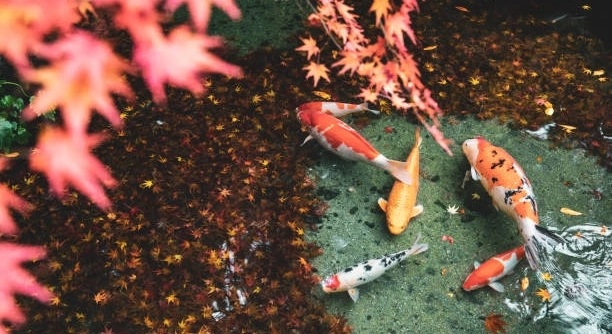
Koi fish are known for their bright, shimmering scales that add beauty to any pond. Many koi owners want to keep their fish looking vibrant and healthy throughout the seasons. Various factors can influence how bright a koi’s scales appear.
Several conditions affect koi scale brightness, including water quality, diet, genetics, age, stress levels, disease, and exposure to sunlight. Each of these factors plays a crucial role in maintaining or diminishing the fish’s natural color intensity.
Understanding these conditions helps koi keepers maintain their fish’s health and vibrancy. Let’s explore what impacts koi scale brightness and how to care for your fish better.
Water Quality and Its Impact on Koi Scale Brightness
Maintaining clean and balanced water is one of the most important factors in keeping koi scales bright. Poor water quality can cause stress and weaken the fish’s immune system, making their colors dull and lifeless. High levels of ammonia, nitrites, or nitrates in the pond can harm the koi and affect their natural shine. Temperature fluctuations and improper pH levels can also influence how vivid their scales appear. Regular water testing and partial water changes help keep the environment healthy. Adding beneficial bacteria can improve water clarity and reduce toxins. When the water is clear and stable, koi are more likely to display their true colors and stay vibrant for longer periods.
Water quality directly affects koi health and scale brightness. Clean water supports bright colors and helps prevent diseases that can dull their appearance.
Keeping water conditions optimal takes ongoing effort but is well worth it. The brighter your koi scales look, the better your pond environment is doing. Monitoring water regularly helps catch problems early and keeps your koi shining beautifully. It also creates a stress-free habitat where your fish can thrive naturally. Many koi keepers find that once water conditions improve, they notice a clear difference in their fish’s color and overall vitality. Good filtration, aeration, and natural pond plants can assist in maintaining balance. This care ensures koi scales remain bright and attractive season after season.
Diet and Nutrition Effects on Koi Scales
The food koi eat has a big role in their scale brightness. A poor diet lacking essential nutrients will cause colors to fade.
A balanced diet rich in proteins, vitamins, and carotenoids supports vivid coloration. Foods containing spirulina, shrimp, or krill are especially helpful for enhancing reds and oranges.
Koi require a variety of nutrients to maintain their scale brightness and overall health. Carotenoids found in some foods contribute directly to color intensity, especially reds and yellows. Feeding high-quality commercial koi pellets along with occasional treats like vegetables and live food helps keep them healthy. Avoid overfeeding because excess food can pollute the pond and harm water quality, indirectly affecting scale brightness. Seasonal changes also affect feeding needs, with koi eating less in colder months. Adjusting their diet accordingly supports their natural color cycles. Proper feeding combined with good water conditions creates the best environment for bright, healthy koi.
Genetics and Koi Scale Brightness
Genetics strongly influence how bright a koi’s scales can be. Some koi naturally have more vibrant colors than others based on their breed and lineage.
Certain koi varieties, like Kohaku and Sanke, tend to show brighter reds and whites because of their genetic makeup. Selective breeding focuses on enhancing these traits over generations. However, even koi with strong genetic potential need good care to fully express their colors. Without proper environment and nutrition, their scale brightness may never reach its peak. Genetics set the foundation, but daily care helps maintain and improve the appearance of koi scales.
It’s important to remember that no matter how good the genetics, koi will still react to external factors. Genetics create the potential, but water, diet, and health are what make those colors shine in real life.
Age and Its Effects on Scale Brightness
As koi grow older, their scale brightness can naturally change and sometimes fade. Younger koi often have more vivid and intense colors compared to older fish. Aging may cause scales to lose some luster or become duller over time.
This change is normal and linked to how koi metabolism and pigment cells function with age. However, with proper care, older koi can maintain good brightness for many years. Regular monitoring of health, diet adjustments, and stable water conditions become more important as koi age. Early signs of fading should prompt extra attention to avoid further dulling. Many koi owners find that addressing these factors can help preserve their fish’s beauty well into their later years. Understanding age-related changes helps manage expectations while still working to keep koi looking their best.
Stress and Its Impact on Koi Scale Brightness
Stress can cause koi scales to lose their brightness quickly. Factors like poor water quality, overcrowding, or sudden changes in environment can trigger stress.
When koi are stressed, their immune systems weaken, and colors fade. Reducing stress improves their overall health and restores vibrant scale colors over time.
Disease and Scale Brightness
Diseases such as parasites, fungal infections, or bacterial illnesses can dull koi scale brightness. Sick koi often lose their color as their bodies focus on fighting infection rather than maintaining pigmentation.
Early detection and proper treatment are essential to prevent long-term color loss. Healthy koi show brighter, clearer scales, so maintaining good health helps keep their colors vivid.
Sunlight Exposure
Sunlight helps koi develop bright, rich colors by stimulating pigment production. However, too much direct sunlight can cause fading or sunburn on their scales.
Balancing shaded areas with sunny spots in the pond protects koi from damage while encouraging vibrant coloration.
What causes koi scales to lose their brightness?
Koi scales can lose brightness due to several reasons. Poor water quality, stress, improper diet, aging, and disease all play a part. When water is dirty or contains harmful chemicals, koi become stressed and their colors fade. Lack of nutrients, especially carotenoids, in their diet also leads to dull scales. Aging naturally reduces pigment intensity over time. Illness weakens koi, causing color loss as their bodies focus on healing. Managing these factors helps keep koi scales bright and healthy.
How can water quality be improved to enhance koi scale brightness?
Improving water quality involves regular testing and maintenance. Testing for ammonia, nitrites, nitrates, and pH ensures the pond is safe for koi. Frequent partial water changes remove toxins and refresh the environment. Adding beneficial bacteria through commercial products helps break down waste and keeps water clear. Good filtration and aeration are essential to maintain oxygen levels and reduce pollutants. Keeping water clean lowers stress on koi and supports their natural colors.
What diet helps maintain vibrant koi scales?
A diet rich in proteins, vitamins, and carotenoids is best for bright koi scales. High-quality commercial koi pellets usually contain balanced nutrients. Foods like spirulina, krill, and shrimp are great natural sources of carotenoids that enhance reds and oranges. Vegetables such as peas and lettuce provide fiber and vitamins. Feeding small amounts multiple times a day prevents overfeeding and water pollution. Seasonal adjustments in diet also help, reducing feeding during cold months when koi metabolism slows.
Can genetics determine koi scale brightness permanently?
Genetics set the baseline for how bright koi scales can be, but they are not the only factor. Some koi breeds naturally have more vivid colors, but environmental factors and care strongly influence how well those colors show. Good diet, clean water, and low stress allow koi to express their genetic potential fully. Even koi with strong genetic traits can look dull if conditions are poor. Genetics provide potential, but proper care brings out the best in koi scales.
Does age affect the brightness of koi scales?
Yes, age affects koi scale brightness naturally. Younger koi tend to have more vivid, intense colors. As they age, pigments may fade, and scales can lose some shine. This process is part of normal aging and linked to changes in metabolism and pigment cell function. With good care, older koi can keep attractive colors for many years. Adjusting diet, monitoring health, and maintaining good water conditions help slow down the dulling effect of age on koi scales.
How does stress affect koi scale brightness?
Stress has a quick and visible effect on koi scale brightness. When koi are stressed by poor water, overcrowding, or sudden changes, their bodies produce fewer pigments. Stress also weakens their immune system, making them more vulnerable to diseases that further dull their scales. Reducing stress by maintaining stable water conditions, providing enough space, and avoiding abrupt changes helps koi keep their bright colors. Calm, healthy koi show much better scale brightness.
What diseases cause koi to lose scale brightness?
Common diseases like parasites, fungal infections, and bacterial illnesses can dull koi scales. These conditions damage the skin and scales, reducing pigmentation and making colors look faded or patchy. Sick koi redirect energy to fight infection instead of maintaining their color. Early detection and treatment with appropriate medication are critical. Preventive care through good water quality and diet reduces disease risk, helping koi keep their bright, healthy scales.
How much sunlight do koi need for their scales to stay bright?
Moderate sunlight exposure helps koi develop and maintain bright colors by stimulating pigment production. However, too much direct sun can cause fading or even sunburn on sensitive areas of their scales. Providing shaded spots in the pond gives koi places to escape intense sunlight while still benefiting from natural light. Balancing sunlight and shade supports healthy pigmentation and prevents damage, keeping koi scales vibrant and well-protected.
Can scale brightness return after it fades?
Yes, koi scale brightness can return if the underlying causes are addressed early. Improving water quality, adjusting diet, reducing stress, and treating diseases often help restore color over time. Recovery depends on the koi’s age, health, and severity of fading. Patience and consistent care are key. In some cases, permanent damage may limit full color recovery, but many koi regain much of their brightness with proper attention.
Is it normal for koi colors to change seasonally?
Seasonal color changes are common in koi. Cooler temperatures can cause colors to dull or shift, while warmer months often bring out brighter tones. Metabolism slows in cold weather, reducing pigment production. These changes are natural and usually reversible with the seasons. Adjusting feeding and care based on temperature helps koi maintain healthier colors year-round, reducing extreme fading during winter months.
Caring for koi and maintaining their scale brightness takes attention to several important factors. Bright scales do not happen by chance; they are the result of good water quality, proper diet, stress management, and overall health care. Each factor works together to help koi show their natural colors in the best way possible. Water needs to be clean and balanced, providing a healthy environment where koi can thrive. Without clean water, koi will lose their brightness quickly. Feeding koi the right foods that include essential nutrients also plays a big role in keeping their colors vivid and strong. Stress should be minimized because it weakens koi and dulls their scales. By understanding these factors and working to improve each one, koi owners can enjoy fish with beautiful, bright scales for many years.
It is important to remember that some things, like genetics and age, naturally influence koi scale brightness and cannot be changed. Some koi are born with the potential for very bright colors, while others have more muted tones. Likewise, as koi get older, their scales may naturally lose some of their shine. These are normal parts of koi life, but they don’t mean koi have to look dull. Good care can help koi reach their full color potential and keep their scales bright even as they age. Paying close attention to their needs and adjusting care as they grow will make a big difference. While genetics and age set limits, how koi are cared for plays a larger role in how bright their scales will appear.
Keeping koi scales bright is a mix of science and patience. It takes time to see improvements after making changes to water, diet, or health care. Koi don’t change overnight, but with steady effort, their colors can become more vivid again. Watching koi swim with bright, shiny scales is rewarding and shows that the fish are healthy and happy. The effort put into maintaining good conditions is well worth it because it supports the overall well-being of the koi. Taking care of koi means more than just feeding and cleaning—it means understanding what they need to look and feel their best. With consistent care, koi scales will remain bright and add beauty to any pond for a long time.

Hello,
If you enjoy the content that we create, please consider saying a "Thank You!" by leaving a tip.
Every little bit helps us continue crafting quality advice that supports the health, happiness, and well-being of pets around the world, for pets of all shapes, sizes, and species.
We really appreciate the kindness and support that you show us!