
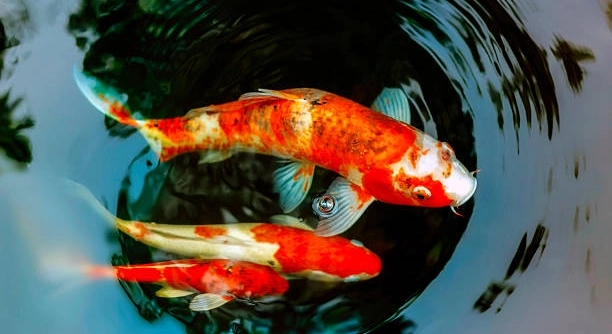
Koi are known for their graceful movements and vibrant colors. Observing their behavior can reveal much about how comfortable they feel in their environment. Their actions often indicate a sense of security and ease within their space.
Koi indicate comfort through specific behaviors such as slow swimming, surface feeding, relaxed body posture, exploring the environment, interacting with other koi, resting calmly, and responding calmly to human presence. These signs collectively reflect their adaptation and well-being.
Recognizing these behaviors can improve how you care for koi and help maintain a healthy, stress-free environment for them to thrive. This article explores seven key ways koi show their comfort with their space.
Slow Swimming and Its Meaning
When koi swim slowly and calmly through the water, it often means they feel safe and relaxed. Fast or erratic swimming usually signals stress or fear, but slow movements show that koi are comfortable in their surroundings. You might notice them gliding near the surface or leisurely exploring different areas of the pond. This behavior reflects a lack of urgency and a peaceful state of mind. Slow swimming also helps koi conserve energy and maintain steady breathing. Observing this pattern over time can give a clear indication of their comfort level. When koi swim slowly together, it can also show social harmony and a calm environment.
Slow swimming is a clear behavioral sign of koi feeling secure and at ease.
Watching koi move slowly not only indicates comfort but also helps you understand their health. If koi suddenly start swimming faster or hiding, it may mean they are uncomfortable or unwell. Consistent slow swimming is a positive sign, showing koi are adapting well to their space and surroundings. It also suggests that the water quality and temperature are suitable. This behavior encourages natural exploration without fear, strengthening their physical condition. When koi swim calmly near the surface, it may indicate they feel safe enough to feed or rest, which is important for their overall well-being. Regular observation of swimming habits can help you detect problems early and maintain a peaceful pond environment for the koi.
Surface Feeding Behavior
Koi that feed comfortably at the water’s surface show a clear sign of trust in their environment.
Surface feeding occurs when koi come up calmly to eat without sudden movements or hiding. This behavior means they feel safe enough to focus on eating and are not anxious about predators or disturbances. Koi that hesitate to feed or stay deep underwater might be uncomfortable or stressed. When koi readily accept food at the surface, it reflects a stable and comfortable habitat where their needs are met. You can gently offer food by hand or scatter it near the surface to observe this behavior. It’s a simple way to check how well koi adjust to their space. Maintaining good water quality and minimizing sudden noises helps koi feel more secure during feeding times, supporting their health and comfort.
Relaxed Body Posture
Koi with a relaxed body posture often swim with smooth, even movements and do not appear tense or rigid.
Their fins flow gently without being clamped tightly against their bodies. When koi hold their bodies in a natural curve and show no signs of rapid gill movement, it indicates comfort. A stiff or jerky posture can be a sign of stress or illness. Observing koi regularly helps identify what relaxed posture looks like for each fish. Comfortable koi tend to spread their fins slightly and maintain a steady, calm position in the water, showing they feel secure.
This relaxed state allows koi to conserve energy and swim effortlessly. It also supports proper breathing and circulation. When koi exhibit relaxed body posture consistently, it reflects a balanced and low-stress environment. This behavior can improve their immune system and overall health. Creating a habitat with stable water conditions and minimal disturbances encourages koi to maintain this comfortable posture, reinforcing their well-being over time.
Exploring Their Environment
Koi that explore their surroundings without hesitation indicate they feel comfortable in their space. They move confidently around plants, rocks, and decorations.
Exploration behavior shows curiosity and adaptability, essential traits for koi living in an outdoor pond or aquarium. When koi investigate new objects calmly and do not dart away, it suggests they are confident and not threatened. This behavior allows koi to find food, shelter, and ideal resting spots. Exploration also prevents boredom, encouraging mental stimulation and natural activity. It is important to provide a varied environment with hiding spots and open swimming areas to support this behavior.
Koi that regularly explore their environment are less likely to develop stress-related problems. Observing how they react to changes in the pond can help determine if adjustments are needed. Encouraging exploration helps koi stay active and healthy, promoting longevity and contentment in their habitat. A well-structured space fosters this natural behavior and reinforces their sense of security.
Interaction With Other Koi
Koi that interact calmly with each other show comfort in their environment. They swim together without aggression or constant chasing.
Peaceful social behavior means koi feel secure and accept each other’s presence. Aggression may indicate stress or overcrowding.
Resting Calmly
Koi resting quietly near the bottom or in sheltered areas demonstrate comfort and trust in their space.
Resting koi show no signs of rapid breathing or sudden movements, indicating a relaxed state.
Responding Calmly to Human Presence
Koi that do not dart away or hide when approached by humans display comfort and trust. This behavior shows they feel safe and recognize humans as non-threats. Calm responses promote bonding and easier care.
How can I tell if my koi are comfortable in their pond?
Comfortable koi exhibit calm, slow swimming, relaxed body posture, and surface feeding without hesitation. They explore their environment confidently and interact peacefully with other koi. Calm resting and a gentle response to human presence also indicate their comfort and trust in their habitat.
Why do koi sometimes hide or swim frantically?
Erratic swimming or hiding usually signals stress or discomfort. This may be caused by poor water quality, sudden changes in temperature, overcrowding, or predators nearby. Monitoring water conditions and providing a stable environment helps reduce stress and encourages calm behavior.
Is it normal for koi to rest near the bottom?
Yes. Resting near the bottom or in shaded areas is a natural behavior when koi feel safe. It allows them to conserve energy and reduce stress. Resting koi will appear still with smooth, slow gill movements, indicating relaxation.
What does slow swimming indicate about koi health?
Slow, deliberate swimming reflects good health and a calm state. It shows koi are not stressed and their environment meets their needs. Sudden changes in swimming speed or behavior can be an early warning sign of illness or poor water conditions.
How important is koi interaction with other fish?
Social interaction is vital for koi comfort. Peaceful swimming in groups and mild curiosity toward one another suggest a healthy social dynamic. Aggressive or isolating behavior may point to stress or insufficient space. Proper pond management helps promote harmony among koi.
Can koi get used to human presence?
Yes. Koi that respond calmly when approached show they have adapted to human interaction. Regular, gentle feeding by hand can strengthen this trust, making care easier and less stressful for both koi and keeper.
What environmental factors influence koi comfort?
Water quality, temperature stability, pond size, and presence of hiding spots all affect koi comfort. Maintaining clean water with proper filtration, avoiding sudden temperature swings, and providing varied structures encourage healthy, relaxed koi behavior.
How do I encourage koi to explore their pond?
Adding plants, rocks, and decorations provides stimulation and safe hiding places. These features invite koi to explore without fear. Avoid overcrowding and sudden changes to keep their environment inviting and secure.
Is koi comfort linked to their health?
Absolutely. Comfortable koi exhibit stronger immune responses and better growth rates. Stress from poor comfort can lead to illness, reduced appetite, and decreased lifespan. Prioritizing comfort supports overall well-being.
What signs show koi are stressed and uncomfortable?
Rapid swimming, hiding, clamped fins, loss of appetite, and gasping at the surface are common signs of discomfort. Immediate action to check water parameters and environmental factors can help resolve these issues.
Final thoughts on koi comfort emphasize the importance of paying close attention to their behavior and environment. Koi are sensitive creatures that communicate how they feel through their actions. Slow swimming, calm resting, surface feeding, and social interaction are clear signs that koi are comfortable in their space. These behaviors suggest that their habitat meets their needs in terms of water quality, temperature, space, and safety. When koi feel secure, they show more natural and relaxed behavior, which is essential for their health and well-being.
Creating and maintaining a comfortable environment for koi requires regular care and observation. Water quality is one of the most important factors to monitor, as poor water conditions can cause stress and illness. It is necessary to check water parameters such as pH, ammonia, nitrites, and temperature consistently. Providing hiding places like plants or rocks can help koi feel safe and encourage exploration. A well-maintained pond with enough space for swimming and socializing supports the natural behavior of koi and prevents overcrowding, which can lead to aggression or stress.
Being attentive to koi behavior helps in early detection of potential problems. If koi begin to swim erratically, hide excessively, or show signs of discomfort, it may indicate that something in their environment needs attention. Responding quickly to these changes by adjusting care or habitat conditions can improve their comfort and prevent illness. Understanding how koi express comfort allows caretakers to provide better care and create an environment where koi can thrive peacefully. This careful attention leads to healthier koi and a more enjoyable experience for those who keep them.

Hello,
If you enjoy the content that we create, please consider saying a "Thank You!" by leaving a tip.
Every little bit helps us continue crafting quality advice that supports the health, happiness, and well-being of pets around the world, for pets of all shapes, sizes, and species.
We really appreciate the kindness and support that you show us!