
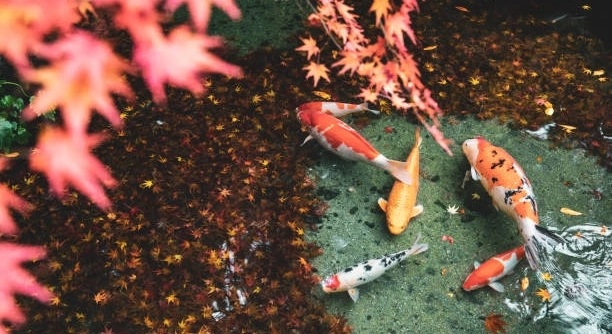
Koi fish are often seen swimming gracefully together in groups, creating a peaceful pond scene. Yet sometimes, one koi may choose to stay apart or refuse to swim with the rest. This behavior can be puzzling for koi keepers.
Koi may refuse to swim with the group due to factors such as illness, stress, territorial behavior, or environmental conditions. These issues affect their social interaction and can cause isolation from other koi in the pond.
Recognizing these reasons can help you address the problem and promote a healthier environment for your koi. Understanding their behavior leads to better care and a more harmonious pond.
Common Reasons Why Koi Avoid the Group
Koi may isolate themselves for several reasons. Illness is a primary factor; when koi feel unwell, they tend to stay apart to recover and avoid stress. Stress can also come from changes in water quality, temperature, or overcrowding. Territorial behavior is another cause—some koi prefer their own space and may chase others away. Lastly, environmental factors such as poor oxygen levels or lack of hiding spots can make koi uncomfortable swimming with the group. Understanding these reasons helps in identifying the problem early and preventing long-term harm to your koi.
Illness and stress are often linked and can lead to noticeable changes in koi behavior. Addressing water quality and tank conditions can reduce these problems effectively.
By keeping an eye on water parameters and providing enough space, you can encourage your koi to swim together comfortably and stay healthy. Proper pond maintenance and careful observation go a long way in supporting your koi’s well-being.
How to Help a Koi Rejoin the Group
Isolation can signal an issue that needs correction. The first step is checking water quality: test for ammonia, nitrites, and pH levels. Ensuring stable and clean water reduces stress and illness risks. Next, observe your koi’s behavior and physical condition for signs of injury or disease. Providing hiding spots or plants offers shelter and reduces aggression. If necessary, separate a sick koi to allow recovery before reintroducing it. Maintaining balanced feeding routines and avoiding overcrowding also supports social harmony among koi.
Improving water conditions and pond environment plays a major role in encouraging koi to rejoin their group.
Taking the time to monitor your koi’s health and pond setup will help prevent isolation issues. Adjusting water temperature slowly and ensuring good filtration are key steps. Be patient; koi may take time to feel safe enough to swim with others again. Regular cleaning and gentle handling reduce stress and build trust. Keeping a close watch helps you act quickly if problems arise. Creating a peaceful, stable environment encourages koi to interact naturally, restoring balance and harmony in your pond.
Signs That Your Koi Is Avoiding the Group
Changes in behavior are the clearest signs that a koi is avoiding the group. Look for a fish that stays near the pond bottom or edges and rarely swims with others. Loss of appetite and dull colors may also appear.
Koi that isolate themselves often appear sluggish or hide in corners more than usual. They may show signs of physical distress, such as torn fins or spots. These behaviors suggest discomfort or illness, making it important to observe closely. Consistent separation from the group is a strong indicator that something is wrong.
Noticing these signs early allows you to take quick action to improve your koi’s health and social behavior. Monitoring feeding habits and observing their swimming patterns daily helps catch problems before they worsen. Timely intervention is key to restoring harmony in the pond.
Environmental Factors Affecting Koi Social Behavior
Water quality has a direct impact on koi behavior and their willingness to swim with others. Poor oxygen levels or fluctuating temperatures can cause stress and isolation. Clean, well-aerated water encourages healthy interactions.
Overcrowding also contributes to social problems among koi. Too many fish in a small space increase competition for food and territory, making some koi withdraw. Providing enough space and hiding spots reduces stress and aggressive behavior. Regular pond maintenance, such as cleaning filters and removing debris, supports a stable environment where koi can thrive socially.
Balancing water parameters and managing population density is essential for koi comfort. Taking steps to create a calm, well-maintained pond helps keep your koi active and connected with their group. This leads to a healthier, happier pond overall.
Behavioral Changes to Watch For
Koi that avoid the group often show subtle changes first. They might stop following the usual swimming patterns or fail to respond when feeding time comes.
Some koi become more aggressive or unusually shy, avoiding contact with others. These shifts can signal underlying issues needing attention.
Adjusting Your Pond Environment
Improving water circulation and adding plants can help koi feel safer and reduce stress. Plants provide shelter and break lines of sight, which helps shy koi feel less exposed. Also, adding aeration devices improves oxygen levels, making the pond more comfortable for all fish.
The Role of Diet
A balanced diet supports koi health and behavior. Poor nutrition weakens immune systems and can cause lethargy or isolation. Feeding high-quality koi food at regular times keeps fish healthy and encourages group activity.
FAQ
Why does my koi stay alone at the bottom of the pond?
When koi stay alone near the bottom, it’s often a sign of stress, illness, or poor water conditions. Sick koi tend to isolate themselves to avoid competition and conserve energy. Low oxygen levels or temperature changes can also cause this behavior, as the fish seek calmer areas.
How can I tell if my koi is sick or just shy?
Sick koi usually show physical symptoms like faded colors, sores, or frayed fins, while shy koi mostly hide or avoid others but look physically healthy. If a fish stops eating and acts sluggish, illness is more likely. Careful observation over a few days helps determine the cause.
What should I do if one koi is bullying others?
Aggressive koi may chase or nip at others, causing stress and isolation. You can rearrange the pond layout by adding plants or hiding spots to break sightlines. If aggression continues, consider separating the bully temporarily to restore balance.
Can water temperature affect koi social behavior?
Yes, koi are sensitive to temperature changes. Sudden drops or high temperatures stress them, making them less social. Maintaining a stable temperature with gradual seasonal adjustments helps keep koi active and comfortable swimming together.
How often should I test my pond water?
Testing water weekly is ideal, especially during temperature changes or after heavy rains. Regular tests for ammonia, nitrites, nitrates, pH, and oxygen levels help catch problems early, preventing stress that leads to isolation.
Is overcrowding a common reason for koi refusing to swim with others?
Overcrowding causes competition for food and space, leading to stress and aggression. When koi don’t have enough room, some may withdraw. Make sure your pond size fits the number of koi and provide enough space for each fish to reduce conflicts.
How long does it take for a sick koi to recover and rejoin the group?
Recovery time depends on the illness and treatment but usually ranges from a few days to a couple of weeks. Isolating the sick koi and maintaining clean water speeds recovery. Once healed, gradual reintroduction helps the fish feel safe swimming with others.
What role does diet play in koi behavior?
A healthy diet strengthens koi immune systems and energy levels, making them more active and social. Feeding high-quality koi pellets and supplements like vitamins supports overall health and reduces the risk of isolation due to weakness or illness.
Can adding plants to the pond encourage koi to swim together?
Yes, plants provide hiding spots and reduce stress by offering shelter. This creates a more natural environment where shy or stressed koi feel safer and are more likely to interact with the group.
Should I separate a koi that refuses to swim with the group?
If a koi shows signs of illness or severe stress, temporarily separating it can prevent spreading disease and give it time to recover. Monitor the isolated koi closely and only reintroduce it once it’s healthy and active again.
Final Thoughts
Koi that refuse to swim with the group usually show this behavior because of stress, illness, or changes in their environment. It is important to watch for signs like isolation, lack of appetite, or changes in color and activity. These signs help you understand when your koi might need extra care or adjustments to their pond conditions. Early detection is key to preventing more serious health problems and ensuring your koi stay active and social.
Maintaining good water quality is one of the most important steps you can take to support your koi’s well-being. Regular testing and cleaning help keep the pond environment stable and comfortable. Overcrowding and sudden temperature changes can cause stress, which often leads to koi isolating themselves. Providing enough space, hiding spots, and stable temperatures creates a more peaceful environment that encourages koi to swim and interact together naturally.
Feeding your koi a balanced and nutritious diet is another important factor in keeping them healthy and social. Poor nutrition can weaken their immune system and reduce their energy, making them less likely to join the group. Offering high-quality food on a regular schedule supports their health and encourages active behavior. Overall, careful attention to water conditions, diet, and koi behavior will help you maintain a happy, healthy pond where your koi enjoy swimming together.

Hello,
If you enjoy the content that we create, please consider saying a "Thank You!" by leaving a tip.
Every little bit helps us continue crafting quality advice that supports the health, happiness, and well-being of pets around the world, for pets of all shapes, sizes, and species.
We really appreciate the kindness and support that you show us!