
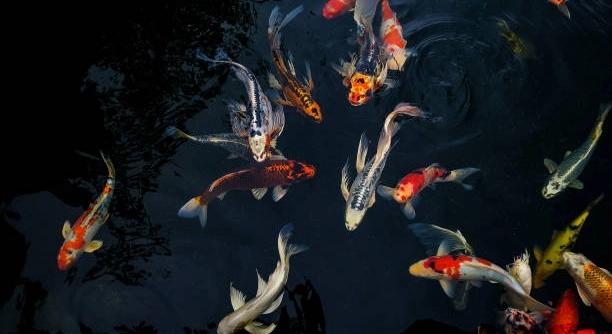
Keeping a koi pond healthy is important for the fish and the plants living in it. Sometimes, the pond may not have enough oxygen, which can affect the overall environment. Recognizing the signs early helps maintain a balanced pond ecosystem.
Low oxygen levels in a koi pond can be identified by slow fish movement, gasping at the surface, cloudy water, and excessive algae growth. These indicators show that oxygen circulation is insufficient to meet the pond’s needs, requiring prompt attention to improve aeration.
Knowing these signs can help you act quickly to protect your koi and keep your pond vibrant and thriving throughout the year.
Slow or Lethargic Fish
When koi fish start moving slowly or seem tired, it often means the pond’s oxygen levels are too low. Fish need oxygen to swim actively and stay healthy. If they look weak or just float near the bottom, they might be struggling to get enough air. This can also make them more vulnerable to diseases and stress. Watching your fish daily helps you notice any unusual behavior early on. Adjusting the pond’s aeration system or adding more plants that release oxygen can improve the situation. Small changes can make a big difference in how your fish feel and behave. Keeping the water clean and balanced also supports better oxygen levels, making sure the koi stay lively and comfortable in their home.
Slow fish usually signal a bigger problem in pond health that needs attention.
Oxygen is critical for fish metabolism. When oxygen is scarce, koi reduce their activity to conserve energy, showing visible signs of stress. Adding aeration devices, like fountains or air pumps, increases oxygen mixing in water. Plants such as water lilies provide shade and help maintain cooler water, which holds more oxygen. Regular cleaning to remove debris prevents oxygen depletion caused by decaying matter. Consistent monitoring keeps the pond environment stable, ensuring fish stay active and healthy longer.
Fish Gasping at the Surface
Fish gasping at the surface is a clear sign that oxygen levels are low. This behavior happens because the water near the surface contains more oxygen than deeper parts. When koi come up for air often, it means they are not getting enough oxygen below. Immediate steps should be taken to improve aeration and water flow. Without enough oxygen, fish can become weak and more prone to illness.
Low oxygen makes fish struggle to breathe properly, which can lead to severe health issues if ignored.
Koi gasping at the surface is often caused by insufficient oxygen exchange in the pond water. This can happen when the water is stagnant, warm, or crowded with too many fish. High temperatures reduce oxygen levels, making it harder for fish to breathe. Proper pond maintenance includes using air pumps, waterfalls, or fountains to keep water moving and oxygen-rich. Reducing fish overcrowding helps too, since too many fish consume oxygen quickly. Checking the pond’s temperature and cleaning filters regularly also supports a healthy oxygen balance. These actions keep your koi comfortable and reduce stress from poor oxygen conditions.
Cloudy or Murky Water
Cloudy or murky water often signals poor oxygen levels and a buildup of waste. When oxygen is low, beneficial bacteria that break down waste cannot survive well. This causes organic matter to accumulate, making the water appear dirty and unclear. Regular cleaning and improving aeration help clear the water.
To fix cloudy water, increasing oxygen levels is essential. Adding aerators or fountains boosts water movement and oxygen exchange. Beneficial bacteria thrive in oxygen-rich water, breaking down fish waste and decaying plants more effectively. Removing excess debris and dead leaves also helps reduce cloudiness. Regular water changes prevent the buildup of harmful substances that worsen water quality. A clear pond supports healthier koi and a more balanced ecosystem, reducing stress for all pond inhabitants.
Besides oxygen, controlling algae is important. Algae blooms can cause water to turn green and murky. They consume oxygen at night, worsening the problem. Adding floating plants can shade the water and limit algae growth. Managing nutrients like fish food and fertilizer reduces algae feed, improving water clarity and oxygen levels.
Excessive Algae Growth
Excessive algae growth is often linked to low oxygen and nutrient imbalances. Algae thrive in stagnant water with poor circulation. When oxygen levels drop, algae can take over, covering the pond surface and reducing light for other plants.
Algae growth consumes oxygen during the night, making oxygen shortages worse for koi. Controlling algae starts with improving water circulation and oxygen supply. Aerators or waterfalls help keep water moving, discouraging algae buildup. Reducing excess nutrients like leftover fish food and fertilizers also limits algae growth. Introducing aquatic plants that compete for nutrients helps keep algae under control. Mechanical removal of algae can provide quick relief but won’t solve the root issue if oxygen remains low. Maintaining balanced pond conditions prevents algae from overwhelming the environment and harming fish.
Fish Staying Near Filters or Aerators
Koi often gather near filters or aerators because these areas have higher oxygen levels. This behavior shows they are trying to find better air, indicating low oxygen in other parts of the pond.
If your fish stay clustered around these spots frequently, it’s time to check the pond’s overall oxygen supply and improve aeration.
Foul Odor from the Pond
A strong, unpleasant smell coming from the pond usually means there is too little oxygen. Low oxygen slows down the breakdown of waste, causing harmful gases to build up.
Increasing oxygen through aeration and cleaning helps reduce odors by encouraging healthy bacteria to thrive and break down organic matter properly.
Excessive Plant Growth
When oxygen levels drop, certain fast-growing aquatic plants may spread rapidly, disturbing the pond’s balance. This overgrowth can block sunlight and reduce oxygen production.
Managing plant growth is essential to keep the pond oxygenated and healthy for koi. Regular trimming and controlling nutrient levels prevent this problem.
FAQ
How do I know if my koi pond has low oxygen?
Signs include fish gasping at the surface, slow or lethargic movement, murky water, foul odors, and excessive algae or plant growth. Fish gathering near filters or aerators is also a common behavior indicating low oxygen. Observing these symptoms early helps prevent bigger problems.
What are the best ways to increase oxygen in a koi pond?
Adding aerators, fountains, or waterfalls improves water circulation and oxygen levels. Regular cleaning removes debris and waste that consume oxygen when decomposing. Introducing oxygen-producing plants and avoiding overcrowding also help maintain balance.
Can too much algae cause oxygen problems?
Yes. Algae grow rapidly in nutrient-rich water and consume oxygen at night, which can worsen oxygen shortages. Controlling algae by managing nutrients and improving water flow is essential to keep oxygen levels stable.
Is it normal for koi to stay near the water surface?
Koi sometimes swim near the surface, but constant gasping or clustering near aeration points is a sign of low oxygen. Healthy koi usually swim freely throughout the pond.
How often should I clean my pond to keep oxygen levels healthy?
Regular maintenance varies but generally cleaning filters weekly and removing debris every 1-2 weeks helps. Partial water changes monthly also improve water quality and oxygen levels.
Do plants help or hurt oxygen levels?
Plants like water lilies and submerged oxygenators add oxygen during daylight through photosynthesis. However, decaying plants consume oxygen, so it’s important to trim dead leaves and control plant growth.
What role does water temperature play in oxygen levels?
Warmer water holds less oxygen, making summer months more challenging for koi ponds. Aeration and shading help keep water cooler and oxygen-rich.
Can overcrowding fish reduce oxygen availability?
Yes, more fish means higher oxygen demand. Overstocking leads to quicker oxygen depletion and more waste, which harms water quality. Keeping the right number of fish per pond size is important.
Are there any quick fixes for low oxygen problems?
Increasing aeration with air pumps or fountains can help immediately. Removing excess waste and algae quickly improves oxygen availability. However, long-term solutions involve regular maintenance and balanced pond care.
Can I use chemical oxygen supplements?
Some products add oxygen to water temporarily, but they are not a permanent solution. They can help in emergencies but don’t replace good aeration and pond management.
What happens if low oxygen isn’t fixed?
Fish may become stressed, weak, and more susceptible to disease. Prolonged oxygen shortage can cause fish deaths and upset the entire pond ecosystem. Early intervention is key.
How can I prevent low oxygen in winter?
Using pond heaters or aerators to keep water moving under ice prevents oxygen depletion. Removing thick ice and snow also allows gas exchange and keeps fish safe during cold months.
Keeping a koi pond healthy means paying close attention to oxygen levels. Oxygen is very important for the fish and all living things in the pond. Without enough oxygen, koi fish can become weak, sick, or even die. It also affects the water quality and the plants living in the pond. Watching for signs like slow fish, fish gasping at the surface, cloudy water, or strange smells helps catch problems early. By noticing these signs, you can act quickly to improve the pond’s condition and protect your koi.
Improving oxygen in a pond often means adding equipment like aerators, fountains, or waterfalls. These tools help move the water and bring fresh oxygen into the pond. It is also important to keep the pond clean by removing debris, dead plants, and leftover fish food. Too much waste lowers oxygen because it uses up air when it breaks down. Having a balanced number of fish and plants helps keep the pond stable. Plants give oxygen during the day but must be managed so they do not overgrow or decay, which can cause more problems. Keeping the water cool, especially in warm weather, helps too because warm water holds less oxygen.
Taking care of a koi pond requires regular attention and small changes. It is better to fix problems early before they become serious. With good maintenance and the right tools, you can keep your pond clear and full of healthy, happy koi. Watching your fish and the water every day helps you understand what they need. A well-oxygenated pond supports fish growth, prevents illness, and creates a peaceful environment. This balance keeps your pond beautiful and enjoyable year-round.

Hello,
If you enjoy the content that we create, please consider saying a "Thank You!" by leaving a tip.
Every little bit helps us continue crafting quality advice that supports the health, happiness, and well-being of pets around the world, for pets of all shapes, sizes, and species.
We really appreciate the kindness and support that you show us!