
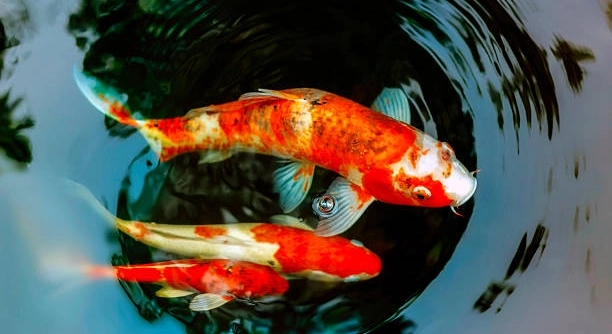
Koi fish are known for their vibrant colors and graceful movements in ponds. When these beautiful fish stop eating, it can be concerning for their caretakers. Understanding what happens when koi lose interest in food helps keep them healthy.
When koi lose interest in food, it often indicates stress, illness, or changes in water conditions. Loss of appetite affects their immune system and overall health, making early identification and proper care essential for their recovery and wellbeing.
Recognizing the signs and causes behind koi appetite loss is important for maintaining a thriving pond environment. This article explores key factors and helpful steps to support your koi’s health.
Common Reasons Koi Lose Interest in Food
Koi fish may stop eating for several reasons, often related to their environment or health. Poor water quality is a major factor, as high levels of ammonia, nitrites, or sudden temperature changes can stress koi. Stress weakens their immune system, making them less likely to eat. Illnesses such as parasites, bacterial infections, or digestive problems also cause appetite loss. Sometimes, koi simply refuse food if it doesn’t appeal to them, especially when water temperatures drop. Seasonal changes often slow their metabolism, reducing their feeding needs. Overfeeding or feeding poor-quality food can upset their digestion, further decreasing interest in eating. Regular pond maintenance and observation are key to spotting problems early. Watching your koi’s behavior and checking water conditions can help prevent extended periods of food refusal and promote their overall health.
Monitoring water quality is essential to keep koi healthy and eating regularly.
Feeding koi at appropriate times and using high-quality food suited to water temperature supports their appetite. If koi lose interest in food, checking for illness and adjusting care is necessary. Prompt action can prevent further health decline and help koi return to normal feeding habits.
Signs of Health Issues Affecting Appetite
Loss of appetite in koi is often accompanied by visible signs such as lethargy, clamped fins, or unusual swimming patterns. Skin changes like redness, ulcers, or excessive mucus can also indicate illness. Koi might isolate themselves or show rapid breathing, all signs that something is wrong. Detecting these early helps in deciding if treatment or water adjustments are needed.
Addressing health issues quickly improves koi’s chances of recovery.
If you notice koi not eating, examine their behavior and body closely. Many diseases start subtly but worsen if untreated. Consulting a vet or specialist can help identify the problem and recommend the right medication. Keeping the pond clean and water parameters stable is important while treating koi. With care and attention, most health-related feeding problems can be resolved, allowing your koi to regain their appetite and vitality.
Environmental Factors That Affect Koi Appetite
Water temperature plays a big role in koi feeding habits. When temperatures drop below 50°F (10°C), koi’s metabolism slows, reducing their need for food. In warmer months, they eat more actively. Sudden temperature changes can cause stress, leading to refusal of food.
Poor water quality, including high ammonia or nitrite levels, can make koi uncomfortable and less likely to eat. Insufficient oxygen or overcrowding also creates stress, which affects their appetite. Maintaining stable water conditions and a clean pond environment is crucial for healthy feeding behavior.
Proper filtration and regular water testing help keep the pond environment balanced. Ensuring your koi have enough space and good water circulation supports their overall health and encourages consistent feeding.
How to Encourage Koi to Eat Again
Start by improving water conditions—clean the pond, check filtration, and test water regularly. Warmer water and good oxygen levels help stimulate koi appetite. Offer high-quality, easily digestible food in small amounts to avoid overfeeding.
Try feeding at the same times daily to build a routine, which koi appreciate. Sometimes, changing the type or flavor of food can spark interest, especially after illness or stress. Observe koi closely for any signs of health issues that need attention. Patience and consistency are key when encouraging koi to eat after a loss of interest.
If koi still refuse food after improvements, isolating affected fish and consulting a specialist might be necessary. Early intervention prevents long-term health problems and supports recovery. With steady care, most koi regain their appetite and thrive again.
Seasonal Changes and Koi Appetite
Koi naturally eat less during colder months as their metabolism slows down. This is normal and usually not a concern if water temperatures remain low.
In warmer seasons, koi increase their feeding activity. Adjusting feeding amounts based on the season helps maintain their health and prevents overfeeding.
Signs That Require Immediate Attention
If koi stop eating and show symptoms like gasping at the surface, sudden weight loss, or visible sores, quick action is needed. These signs can indicate serious health issues or poor water quality that must be addressed immediately.
The Role of Stress in Appetite Loss
Stress from overcrowding, predators, or loud noises can cause koi to stop eating. Reducing stressors and creating a calm environment supports better feeding habits and overall health.
FAQ
Why has my koi suddenly stopped eating?
Sudden loss of appetite in koi is often caused by changes in water quality, temperature shifts, or stress. It might also indicate illness or parasites. Observing other symptoms like unusual swimming, spots, or lethargy helps determine if medical treatment is needed. Checking water parameters and ensuring a stable environment can often solve the problem.
How long can koi go without eating before it becomes dangerous?
Koi can survive for several days to a few weeks without food, especially in cooler water when their metabolism slows. However, prolonged fasting weakens their immune system and can cause serious health problems. If koi refuse food for more than a week, it’s important to investigate and act quickly.
Can I feed koi different types of food to stimulate their appetite?
Yes, offering a variety of foods like pellets, vegetables, or live foods can sometimes encourage koi to eat. Using high-quality, easily digestible food suited to the current water temperature is best. Avoid sudden changes in diet; introduce new foods gradually to prevent digestive upset.
Is it normal for koi to eat less in winter?
Yes, koi naturally reduce their feeding during cold months as their metabolism slows. Feeding should be reduced or stopped when water temperature falls below 50°F (10°C). Overfeeding during winter can cause health issues and water quality problems.
What water parameters should I check if my koi stop eating?
Important water parameters include ammonia, nitrite, nitrate levels, pH, and temperature. Ammonia and nitrites should be at zero, nitrates low, and pH stable around 7 to 8. Sudden changes or extremes in these factors can stress koi and reduce their appetite.
How can I reduce stress in my koi pond?
Stress can be minimized by avoiding overcrowding, providing hiding spots, maintaining good water quality, and reducing loud noises or sudden movements near the pond. Keeping predators away and handling koi gently also helps lower stress levels.
When should I consult a vet for koi that won’t eat?
If koi refuse food for several days and show signs like sores, discoloration, rapid breathing, or erratic swimming, a vet consultation is advised. Early diagnosis and treatment improve chances of recovery and prevent spread of disease.
Can poor water quality cause koi to lose interest in food?
Yes, poor water quality is one of the main reasons koi stop eating. High levels of ammonia, nitrites, or low oxygen create an unhealthy environment. Regular water testing and maintenance are essential to keep koi healthy and feeding well.
What is the best way to reintroduce food to koi after illness?
Start by feeding small amounts of easy-to-digest food once water temperature is suitable. Offer food several times a day to encourage eating. Avoid overfeeding and monitor koi closely. Gradually return to regular feeding once koi regain appetite and strength.
Are there natural remedies to improve koi appetite?
Some pond keepers use garlic or herbal supplements added to food to stimulate koi appetite and boost immunity. These can be helpful but should be used carefully and not as a substitute for proper pond care and veterinary advice.
Koi losing interest in food is a common issue that many pond owners face. It can happen for different reasons, including changes in water quality, temperature, stress, or illness. Understanding why koi stop eating is important because it helps you take the right steps to keep them healthy. Sometimes, koi simply need a little time to adjust to new conditions or recover from minor stress. Other times, their appetite loss points to more serious problems that require attention. Watching your koi carefully and maintaining a good pond environment are key to preventing long-term issues.
Taking care of koi means paying attention to many small details. Keeping the water clean and stable helps reduce stress and supports a healthy appetite. Feeding koi the right amount of food, suited to the season and water temperature, also plays a big role. It’s important not to overfeed, as leftover food can pollute the water and harm the fish. When koi lose interest in food, changing their diet to something more appealing or easier to digest can sometimes help. However, if koi continue to refuse food, checking for signs of illness and possibly consulting a vet is necessary. Early action often makes the difference between a quick recovery and serious health problems.
In the end, koi care requires patience and consistent effort. Koi are resilient fish, but they depend on their environment and caretakers for their wellbeing. Paying attention to their eating habits gives valuable clues about their health. By keeping water conditions stable, reducing stress, and offering proper nutrition, you support your koi’s appetite and overall health. If problems arise, responding quickly and thoughtfully will help your koi get back to their lively, healthy selves. This approach ensures your pond remains a beautiful and peaceful place for both you and your fish.

Hello,
If you enjoy the content that we create, please consider saying a "Thank You!" by leaving a tip.
Every little bit helps us continue crafting quality advice that supports the health, happiness, and well-being of pets around the world, for pets of all shapes, sizes, and species.
We really appreciate the kindness and support that you show us!