
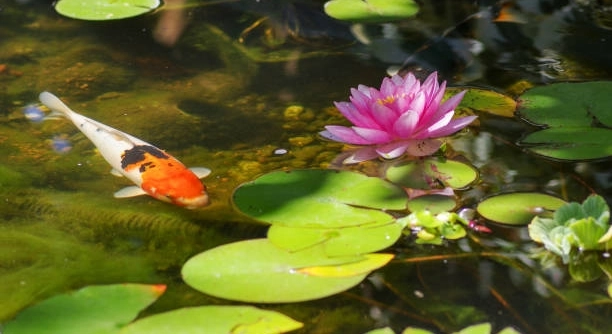
Do you ever find yourself watching your koi glide through the water and notice the smallest tail flicks that seem intentional? These little movements may appear gentle, but they often carry more meaning than we realize.
Koi use subtle tail flicks to communicate emotions, discomfort, or environmental awareness. These movements are not random; they serve as behavioral cues, indicating responses to changes in their surroundings or interactions with other koi.
Each flick, though small, can give insight into your koi’s needs, moods, or comfort levels—helping you build a better connection with them.
Flicks That Signal Discomfort
Sometimes koi flick their tails in a way that looks abrupt or slightly forceful. These movements are often linked to irritation or a response to something in the water. It might be poor water quality, parasites, or even a sudden change in temperature. When a koi feels uncomfortable, it doesn’t vocalize or act out loudly—it simply flicks its tail in a sharp, repetitive manner. These signs are easy to overlook if you’re not watching closely. If you spot this behavior, test your water for ammonia or nitrite levels. Clean the filter, check for drafts, and monitor other fish. Often, one fish will show signs before others are affected. This kind of tail flick means something’s not right, and catching it early can prevent health issues. It’s a quiet but important message.
A single koi showing sharp flicks may be your first clue that your water conditions are starting to shift in the wrong direction.
Taking quick action after noticing these movements can improve your koi’s comfort and stop small problems from becoming serious ones. Keep an eye on patterns, especially after feeding or cleaning the tank, and don’t ignore flicks that come with changes in swimming or appetite.
Flicks That Show Contentment
Not all tail flicks are signs of trouble. Some are gentle and slow, almost like a soft wave in the water. These flicks often happen when koi are calm, relaxed, and swimming freely in a clean, stable environment.
A koi that flicks its tail slowly while gliding near the surface or swimming alongside others may be expressing ease. These movements are not frantic or quick. Instead, they appear rhythmic, paired with smooth body motions. This type of flicking shows a state of balance—both physical and environmental. You may see it more often after feeding or during early morning hours when the pond is quiet. If the koi maintains regular appetite, clear eyes, and smooth swimming, then this flick is nothing to worry about. In fact, it’s something to enjoy. Observing these flicks is a way to connect with your koi’s natural rhythm. It’s a small but telling sign that things are going well.
Flicks That Show Social Interaction
Koi often use short, gentle flicks while swimming close to one another. These flicks aren’t aggressive—they’re subtle movements that help establish spacing or signal mild curiosity between fish in the same pond.
When koi are grouped together, tail flicks can be a way of keeping personal space without causing conflict. A koi may flick its tail when another swims too close or lingers beside it for too long. These gestures are part of their silent communication. It’s not about dominance or fear; it’s more like a way of maintaining comfortable boundaries. If your koi flicks its tail but continues to swim calmly, there’s no need for concern. Social flicks are most common in peaceful ponds where koi have learned to coexist. Watching these interactions can tell you a lot about your koi’s comfort with its tank mates and the general mood of the group.
Flicking during social interaction also appears more frequently during feeding times or when new fish are introduced. The existing koi may use these flicks as mild warnings or a way of exploring unfamiliar movement. As long as it doesn’t lead to chasing, it’s considered normal. The key is to observe frequency and intensity. If the flicks are soft, balanced, and paired with normal swimming, they’re simply part of koi group dynamics. These subtle signs show that koi are highly aware of each other’s presence and prefer quiet ways to express it.
Flicks That Signal Interest in Food
Koi sometimes flick their tails when they see someone approach the pond, especially if feeding usually follows. This kind of flick is quicker, but not distressed. It’s often paired with hovering near the surface or swimming in short circles.
These movements show anticipation and mild excitement. Koi quickly learn routines, and their behavior changes based on time of day and human interaction. A flick in this context usually comes with a burst of energy. Unlike flicks linked to stress, these are upbeat and stop soon after food is provided. You might notice koi doing this as you walk toward the pond with the feeding container in hand. They recognize your presence and respond with movement that’s sharper than their usual pace. It’s a useful signal that your koi are aware, alert, and ready to eat. These flicks are part of their natural behavioral patterns around feeding and familiarity.
Flicks That Follow Sudden Sounds
Loud noises, like slamming doors or barking dogs, can cause koi to flick their tails suddenly. These flicks are often paired with quick darting or freezing in place before they resume normal swimming patterns.
If the sound doesn’t repeat, koi usually calm down quickly. But repeated noises may cause lingering stress, which can lead to more frequent flicks or hiding behavior over time.
Flicks That Come With Surface Nibbling
When koi feed near the surface, you may notice short tail flicks as they shift direction. These help them adjust their balance and position while reaching floating food. This type of flick is common and usually harmless. It’s simply part of how they move efficiently during surface feeding routines.
Flicks With No Clear Reason
Sometimes koi flick their tails and there’s no obvious cause. These flicks are occasional and don’t repeat. As long as the koi eats well and swims normally, it’s likely nothing to worry about.
FAQ
Why do koi flick their tails randomly throughout the day?
Random tail flicking is often part of normal behavior. Koi use small tail flicks to adjust their position, communicate mild signals, or respond to small changes in their environment. If your koi flicks only once in a while and continues to swim, eat, and behave normally, it’s not a problem. Occasional flicks are often linked to muscle movement or mild irritation, like a loose piece of debris brushing against their body. It’s when these flicks become frequent or are paired with hiding or rubbing that you should take a closer look.
Can water quality cause koi to flick their tails more often?
Yes, water quality plays a big role in koi behavior. Poor water conditions, like high ammonia or low oxygen levels, can irritate their skin and gills, leading to flicking. Even small shifts in temperature or pH can trigger these reactions. If you notice flicking along with gasping near the surface or sluggish swimming, test the water immediately. Clean, stable water helps koi stay calm. Regular water checks and partial water changes are the easiest ways to prevent unnecessary stress or irritation.
Are parasites always to blame for flicking behavior?
Not always, but parasites are one possible reason. If flicking happens often and is paired with rubbing against surfaces (called flashing), clamped fins, or loss of appetite, it could mean external parasites are present. Skin flukes, gill flukes, or costia are some examples. A microscope exam is the only way to confirm this. If you’re unsure, it’s best to isolate the affected koi and contact a vet or koi specialist for guidance. Avoid treating blindly, as unnecessary medication can do more harm than good.
Should I separate koi that flick more than others?
You don’t need to separate koi unless the flicking is constant and the fish shows other warning signs like clamped fins, gasping, or dull coloration. If it’s just one koi flicking more than the rest, observe for a few days. Sometimes individual koi are more sensitive or reactive than others. If behavior worsens or spreads, then separation and further inspection may help you pinpoint the cause. Always check water first before assuming the issue is contagious.
Do koi flick when they are stressed?
Yes, stress is a common reason. Koi can become stressed from overcrowding, sudden changes in lighting or temperature, rough handling, or loud activity around the pond. Flicking is one of the ways they express discomfort. If you recently added new koi, cleaned the pond, or changed the feeding schedule, the flicks might be temporary. Reducing stress usually helps ease the behavior. A calm, steady routine is what koi prefer most.
How can I tell if flicking is harmless or serious?
Look at the pattern and the koi’s other behaviors. Harmless flicking is random, soft, and doesn’t interfere with swimming or feeding. Serious flicking is frequent, sharp, and often comes with signs like flashing, staying near the bottom, or loss of color. It helps to take a short video of the behavior and review it later. If you’re still unsure, test your water first and keep a close watch for changes. Early action is better than waiting too long.
Do koi flick more in warmer months?
They might. Warmer temperatures increase activity levels, and koi metabolism speeds up. This can lead to more movement overall, including flicks. However, warmer water also holds less oxygen and encourages parasite growth, so it’s important to stay alert. In summer, check your water more often and keep an eye on filters and oxygen levels. If flicks increase along with appetite and playfulness, that’s normal. If they increase with sluggish behavior or breathing issues, that’s a concern.
Is tail flicking ever a sign of aggression?
Tail flicking by itself isn’t usually aggressive. Koi use flicks to signal space or redirect themselves. Aggression shows up more through chasing, nudging, or fin nipping. If one koi is constantly pursuing another or blocking access to food, it may be dominance behavior, not just flicking. In those cases, you might need to check for size differences or overcrowding. But basic tail flicks without other aggressive signs aren’t anything to worry about. They’re more like gentle nudges than warnings.
Final Thoughts
Watching koi flick their tails can feel subtle, but these small movements often carry meaning. Not every flick is a reason to worry. Many times, it’s just a simple response to light changes in the water, swimming balance, or even casual movement. Koi are naturally sensitive and use their tails in different ways throughout the day. A gentle flick now and then is usually harmless. However, when the flicking becomes more frequent or is paired with other changes like rubbing, clamped fins, or loss of appetite, it might be worth taking a closer look.
The key to understanding koi behavior is regular observation. Knowing how your koi act on a normal day helps you spot what’s unusual. Flicks caused by poor water quality, parasites, or stress often come with other signs. Taking care of the water is the best way to avoid most issues. Clean water, good filters, and a consistent feeding routine give koi a comfortable space where small flicks remain just that—small flicks. You don’t always need to act fast, but you should stay aware and respond if more signs start showing up.
Koi are peaceful, graceful fish, and they tend to stay calm when their environment is steady. If you keep your pond healthy, watch their behavior from time to time, and avoid sudden changes, your koi will likely stay relaxed and active. Flicking doesn’t always mean there’s a problem, but it’s still a useful signal. When you take time to observe these gentle signs, you build a better connection with your koi. It’s a quiet way of learning what keeps them comfortable, alert, and healthy over time.

Hello,
If you enjoy the content that we create, please consider saying a "Thank You!" by leaving a tip.
Every little bit helps us continue crafting quality advice that supports the health, happiness, and well-being of pets around the world, for pets of all shapes, sizes, and species.
We really appreciate the kindness and support that you show us!