
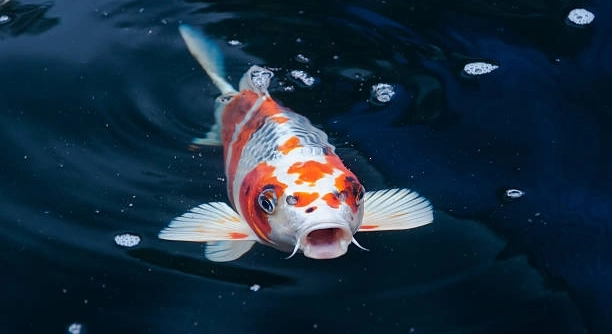
Koi fish display a variety of behaviors that signal their well-being and happiness. Observing these subtle signs can help owners better understand their aquatic pets. Knowing how koi express contentment promotes a stronger connection between fish and caretaker.
Koi show happiness through specific behaviors such as smooth swimming, vibrant coloration, consistent feeding habits, gentle interactions, and relaxed body language. These indicators reflect good health and positive environmental conditions that support their overall welfare and stress reduction.
Recognizing these cues helps maintain a healthy environment and ensures koi thrive. The following points outline key ways to identify when your koi are happy and comfortable.
Smooth and Graceful Swimming
Koi that are happy tend to swim smoothly and gracefully throughout their pond. Their movements are steady and calm, without sudden jerks or frantic darting. This behavior shows they feel safe and comfortable in their environment. When koi are stressed or unhappy, their swimming becomes erratic or sluggish. Watching their swimming patterns regularly can help you spot any changes early on. Smooth swimming also indicates that the water quality is good and that koi are healthy. Happy koi explore their space and interact naturally with each other, displaying fluid motions. Their ability to glide effortlessly signals that they are physically fit and not suffering from illness or discomfort. Providing a clean, well-maintained pond with proper oxygenation supports this behavior, encouraging koi to stay active and content.
Swimming behavior is one of the most reliable signs of koi happiness and health in captivity.
Maintaining good water conditions and a spacious environment is key. Koi need room to move freely and access to clean water with balanced pH levels. Adequate filtration and regular water changes prevent toxins from building up, which can affect their swimming. When koi swim with ease, they are likely free from stress and disease. Observing their swimming daily allows early detection of potential problems like parasites or injuries. Additionally, koi swimming near the surface calmly is a sign they are comfortable and confident in their surroundings.
Vibrant Coloration and Healthy Appearance
Bright and clear colors indicate a happy and healthy koi. When koi show dull or faded colors, it may mean they are stressed or ill. Healthy koi maintain their vibrant shades as a result of proper nutrition, good water quality, and overall well-being. Colors can also deepen during warmer months when koi are more active and feeding regularly. A glossy, smooth skin texture also reflects good health. Regularly checking the koi’s appearance can help spot changes before they become serious. Feeding a balanced diet with essential nutrients supports coloration and boosts their immune system. Maintaining the pond environment by controlling algae and avoiding pollutants helps keep koi’s appearance pristine.
Vibrant colors are an important visual sign of koi happiness and health.
Ensuring koi receive adequate sunlight without excessive exposure also helps maintain their colors. Natural light stimulates pigment production while preventing stress from harsh lighting. Avoid overcrowding, as competition for resources can dull colors and increase stress. Supplementing their diet with color-enhancing foods containing carotenoids and vitamins encourages bright hues. Observing koi regularly for signs of discoloration or lesions allows prompt care. Bright, shiny koi are generally happier and more active, making them enjoyable to watch and easier to care for. Color and condition are key indicators in assessing the well-being of koi fish.
Consistent Feeding Habits
Koi that are happy eat regularly and show interest in food. They respond quickly when feeding time comes and often swim eagerly toward the surface.
Regular feeding habits reflect good health and comfort. Happy koi maintain a steady appetite and rarely refuse food unless there is illness. Their eagerness to eat is a sign that they feel secure in their environment and trust their caretaker. When koi suddenly stop eating or become picky, it can indicate stress or poor water quality. Consistency in feeding times and a balanced diet help koi stay healthy and maintain stable energy levels.
Feeding koi a varied diet that meets their nutritional needs supports this behavior. A mix of pellets, vegetables, and occasional treats ensures they get essential vitamins and minerals. Overfeeding can cause water pollution, which harms koi health, so portion control is important. Maintaining water temperature within a suitable range also influences appetite, as koi eat less in colder water. Observing koi during feeding can reveal subtle changes in behavior, providing insight into their happiness and well-being.
Gentle Interactions with Humans and Other Fish
Koi that are content often approach humans calmly and show curiosity without fear. They may gently nibble fingers or follow your movements in the pond. This behavior indicates a level of trust and comfort.
When koi interact gently with other fish, it shows a peaceful environment. They swim harmoniously without aggressive chasing or fin biting. Social koi exhibit calm and cooperative behavior, which reflects good health and satisfaction in their habitat. Aggression or hiding may point to stress or overcrowding. Providing sufficient space and hiding spots helps maintain harmony.
Building trust with koi takes time and consistent care. Regular feeding by hand and quiet observation encourage them to approach. Over time, koi recognize their caretaker’s presence and respond positively. Such interactions strengthen the bond and promote a healthier, happier pond environment. Monitoring fish behavior for signs of aggression or withdrawal helps prevent conflicts and stress, ensuring all koi live comfortably together.
Relaxed Body Language
Koi that are happy show relaxed body language. Their fins are spread naturally, and their movements are calm.
Tense or clamped fins often indicate discomfort or stress. Relaxed koi display ease in their posture and swimming.
Exploring Their Environment
Happy koi are curious and explore their pond regularly. They investigate plants, decorations, and the pond bottom without hesitation. This behavior reflects comfort and interest in their surroundings. When koi are stressed or unhealthy, they tend to hide or stay in one spot. Providing varied environments with places to explore keeps koi mentally stimulated and satisfied.
Playing with Bubbles
Koi sometimes swim through bubbles or water currents playfully. This simple activity signals contentment and engagement with their environment.
FAQ
How can I tell if my koi is happy?
Happy koi show smooth, relaxed swimming, vibrant colors, and regular eating habits. They interact gently with their environment and other fish. Their fins stay naturally spread, and they often explore the pond. Signs like playful behavior with bubbles or curiosity toward their surroundings also indicate contentment.
Why does my koi swim erratically sometimes?
Erratic swimming can signal stress, poor water quality, or illness. Changes in temperature, overcrowding, or the presence of parasites may cause koi to dart suddenly or swim frantically. Monitoring water parameters and observing behavior closely can help identify and correct the problem.
What does it mean when koi approach me at feeding time?
When koi swim toward you eagerly during feeding, it shows trust and recognition. They associate your presence with food and comfort, which indicates a good relationship. This behavior develops over time with consistent care and feeding routines.
Can koi get stressed from too much noise or activity around the pond?
Yes, excessive noise or frequent disturbances can stress koi. Loud sounds, vibrations, or rapid movements near the pond may cause them to hide or become restless. Providing a calm environment with natural barriers like plants helps reduce stress.
How often should I feed my koi?
Feeding frequency depends on water temperature and koi activity. In warmer months, feeding two to three times daily is common, offering only what they can consume in a few minutes. In colder months, feeding should be reduced or stopped, as koi metabolism slows down.
What foods help maintain koi coloration?
Foods rich in carotenoids, such as shrimp, spirulina, and specially formulated pellets, help maintain bright koi colors. A balanced diet with protein, vitamins, and minerals supports overall health and pigment retention.
Why do koi sometimes nibble on plants or decorations?
Koi may nibble on plants out of curiosity, hunger, or boredom. Providing a varied diet reduces plant damage. Choosing hardy plants or placing decorations strategically can protect pond vegetation from excessive nibbling.
How important is water quality for koi happiness?
Water quality is crucial. Clean, well-oxygenated water with balanced pH and low ammonia levels supports koi health and behavior. Poor water conditions lead to stress, disease, and dull colors. Regular testing and maintenance are essential for a thriving pond.
What signs indicate koi might be unhappy or sick?
Signs include clamped fins, faded colors, loss of appetite, lethargy, unusual swimming patterns, or visible sores. Early detection through daily observation allows timely treatment and improves outcomes.
Is it normal for koi to hide sometimes?
Yes, koi may hide occasionally for rest or to avoid bright light. However, frequent hiding or staying in one spot for long periods may signal stress, poor water quality, or illness. Watching for changes helps identify problems early.
How can I encourage koi to be more interactive?
Consistent feeding by hand, gentle movement near the pond, and providing a stimulating environment encourage koi to interact. Patience is important, as koi build trust gradually.
Do koi have favorite places in the pond?
Koi often prefer areas with shelter like plants, rocks, or shaded spots. These places offer protection and comfort. Creating varied environments with hiding spots enhances their well-being.
Can koi recognize their caretakers?
Koi can recognize people who feed and care for them. They respond to familiar voices and movements, showing increased activity or approaching when their caretaker is near.
Why do koi sometimes jump out of the water?
Jumping may occur due to irritation from parasites, poor water conditions, or sudden disturbances. It can also be a natural behavior to remove debris or insects from their skin. Ensuring good water quality and monitoring for parasites reduces this behavior.
How long do koi live if they are happy and healthy?
Koi can live 20 to 30 years or more with proper care. Maintaining good water quality, balanced nutrition, and a safe environment contributes to their longevity. Some koi have been known to live over 50 years in ideal conditions.
Final Thoughts
Understanding how koi show they are happy helps in providing better care for these beautiful fish. Observing their behavior, such as relaxed swimming, eagerness during feeding, and gentle interaction with other fish, gives clues about their well-being. Paying attention to these subtle signs allows caretakers to respond quickly if anything seems wrong, helping to maintain a healthy environment for the koi. The better the care, the more likely koi will display these positive behaviors, creating a peaceful and enjoyable pond.
Creating a comfortable space for koi involves keeping water clean and balanced, offering a proper diet, and providing areas for exploration and rest. Happy koi often explore their surroundings and show interest in new things, which means the pond environment is suitable. Equally important is maintaining regular feeding schedules and avoiding overcrowding, which can stress the fish. These steps contribute to their physical health and also support mental well-being, which is just as important for long-term happiness.
Taking time to learn about koi behavior and needs builds a stronger connection with the fish. Watching them calmly swim, interact, and even play is rewarding. These subtle signs of happiness show that koi can thrive in a well-maintained pond. Caretakers who notice and respond to these signs help ensure koi live longer, healthier lives. Overall, attention to detail and consistent care create an environment where koi can be their happiest.

Hello,
If you enjoy the content that we create, please consider saying a "Thank You!" by leaving a tip.
Every little bit helps us continue crafting quality advice that supports the health, happiness, and well-being of pets around the world, for pets of all shapes, sizes, and species.
We really appreciate the kindness and support that you show us!