
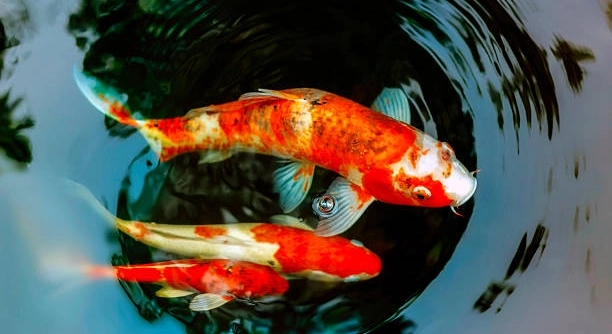
Koi fish are popular pets known for their vibrant colors and graceful swimming. Many koi owners pay close attention to their fish’s eating habits to keep them healthy and happy. Appetite changes can signal important factors in their care.
Several key factors impact koi appetite, including water quality, temperature, stress levels, diet variety, illness, tank size, and seasonal changes. These elements directly influence how much and how often koi will eat, affecting their overall health and growth.
Knowing what affects koi appetite helps owners provide better care and maintain a thriving environment for their fish. This article will explain the main reasons koi may eat more or less than usual.
Water Quality and Its Effect on Koi Appetite
Water quality is one of the most important factors that affect a koi’s appetite. Poor water conditions can stress koi, causing them to eat less or stop eating entirely. Parameters like ammonia, nitrite, nitrate levels, pH balance, and oxygen content all play a role in keeping koi healthy. If these factors are not properly managed, koi may become lethargic or show signs of illness. Maintaining clean water through regular testing and filtration helps ensure koi feel comfortable enough to eat well. Proper water temperature and clarity also contribute to a koi’s willingness to feed, as murky or overly warm water can reduce their activity. Consistently checking water quality will prevent problems before they affect appetite, leading to a healthier pond environment for your fish.
Keeping water quality stable is key to maintaining a healthy appetite in koi.
By paying close attention to water conditions, koi owners can avoid many common feeding issues. Regular water changes and testing kits make this easier. Fish respond quickly to their environment, so small adjustments can lead to noticeable improvements in appetite. Clean, well-oxygenated water encourages koi to be active and eat regularly. Conversely, poor water quality can weaken their immune systems, making them more vulnerable to disease and reducing feeding behavior. Keeping a pond’s ecosystem balanced benefits not only appetite but also koi longevity and appearance. Simple actions like removing debris, avoiding overfeeding, and managing pond plants contribute to water quality and koi health overall.
Temperature and Seasonal Changes
Koi appetite varies significantly with water temperature.
Koi are cold-blooded, so their metabolism depends on the surrounding water temperature. When water is warm in spring and summer, koi become more active and eat more to support growth. In colder months, their metabolism slows, and they eat less or stop eating completely. Feeding koi during winter should be reduced or paused, depending on temperature. Offering food when water is too cold can harm their digestion and overall health. Seasonal changes require adjusting feeding habits to match koi’s natural cycles, which helps prevent waste buildup and keeps fish healthy. Understanding how temperature affects koi appetite ensures proper feeding and care throughout the year.
Stress and Its Impact on Koi Appetite
Stress can cause koi to lose interest in food quickly. Changes in environment or sudden disturbances often lead to reduced appetite.
Koi experience stress from factors like overcrowding, loud noises, poor water quality, or aggressive tank mates. When stressed, their immune system weakens, making them less likely to eat and more prone to illness. Stress can also cause koi to hide and reduce activity, which lowers their feeding behavior. Minimizing stress through a stable environment and gentle handling helps koi stay healthy and eat consistently. Keeping the pond calm and free from sudden changes is essential to avoid appetite loss caused by stress.
Recognizing signs of stress early is important to maintain koi appetite. Watch for unusual behavior or refusal to eat, then address the cause promptly. Proper care and patience usually restore normal feeding habits over time.
Diet Variety and Feeding Habits
A varied diet encourages koi to eat regularly and get proper nutrition.
Koi enjoy different types of food, including pellets, vegetables, and occasional treats like shrimp or worms. Feeding the same thing every day can make koi bored or less interested in eating. Offering a balanced diet with varied textures and flavors keeps koi engaged and healthier. Variety also ensures koi receive essential nutrients, vitamins, and minerals needed for growth and color enhancement. Overfeeding one type of food can cause digestive issues and water problems, so rotating food types in moderation is best.
Feeding koi multiple smaller meals throughout the day supports their natural eating habits and prevents waste. Avoid overfeeding, which can hurt water quality and koi health. Watching koi during feeding helps adjust portions and improve appetite management.
Illness and Appetite Loss
Illness can quickly reduce a koi’s desire to eat. Symptoms like lethargy or spots often accompany appetite loss.
If koi show signs of disease, appetite usually drops as their body fights infection. Early detection and treatment help restore feeding habits and overall health.
Tank Size and Space
Koi need enough space to swim freely, which affects their appetite and well-being. Crowded conditions increase stress and reduce feeding interest. Providing adequate pond size allows koi to stay active and comfortable, encouraging a healthy appetite and better growth.
Seasonal Feeding Adjustments
Koi feeding routines should change with the seasons. In warmer months, koi require more food for energy and growth. During cooler months, reduce feeding gradually as their metabolism slows. Adjusting food amounts and types seasonally supports koi digestion and prevents waste buildup in the pond.
Water Movement and Feeding
Water movement influences koi feeding habits. Gentle water flow helps oxygenate the pond and stimulates koi activity. However, strong currents can stress koi and reduce their appetite. Balancing water movement encourages healthy eating without causing discomfort.
FAQ
Why has my koi suddenly stopped eating?
A sudden loss of appetite in koi can be caused by many factors. It might be due to changes in water quality, temperature shifts, stress, or illness. Check water parameters like ammonia, nitrite, and pH first. Also, consider recent changes in the pond environment or feeding routine. Illness or parasites can cause koi to stop eating, so observe your fish closely for any unusual behavior or physical signs. Sometimes koi naturally reduce feeding during colder months when their metabolism slows. Addressing these issues early usually helps koi regain their appetite quickly.
How often should I feed my koi?
Feeding frequency depends on water temperature and koi activity. In warm months, feeding two to three times a day is ideal, giving small amounts each time. When water temperatures drop below 50°F (10°C), reduce feeding to once a day or stop altogether as koi metabolism slows. Overfeeding can harm water quality and cause health problems. Always feed only what koi can consume in about five minutes. Observing your koi’s eating habits helps adjust feeding frequency to their needs and environment.
What type of food is best for koi?
A balanced diet with high-quality pellets is the best base for koi nutrition. Pellets designed specifically for koi contain essential proteins, vitamins, and minerals. Supplement their diet with occasional treats like peas, lettuce, or bloodworms for variety. Avoid feeding bread or processed human foods, as these can upset their digestion. Seasonal changes may also affect food choice; in colder weather, switch to wheat germ-based foods that are easier to digest. Variety and quality ensure koi stay healthy and maintain their bright colors.
Can water temperature really affect koi appetite?
Yes, water temperature has a strong effect on koi appetite because koi are cold-blooded. Their metabolism changes with the temperature of their environment. When water is warm, their metabolism speeds up, making them more active and hungry. In cold water, their metabolism slows down, reducing their need for food. Feeding koi during cold weather can cause digestive problems. Adjusting feeding amounts according to temperature helps keep koi healthy and avoids waste buildup in the pond.
What are signs of stress in koi?
Signs of stress include reduced appetite, hiding, rapid gill movement, erratic swimming, or clamped fins. Stress often results from poor water quality, overcrowding, sudden changes, or aggressive tank mates. Identifying and reducing stressors quickly is important to prevent illness and improve koi appetite. Maintaining stable conditions and a calm environment encourages koi to eat regularly and stay healthy.
How does water quality impact koi feeding?
Water quality directly influences koi health and appetite. High levels of ammonia, nitrites, or nitrates can cause stress and illness, leading to appetite loss. Poor oxygen levels also reduce koi activity and feeding. Regular testing and water changes maintain safe water conditions. Proper filtration and avoiding overfeeding help keep the pond clean. Good water quality supports koi digestion and encourages normal feeding behavior.
Is overfeeding harmful to koi?
Overfeeding can be very harmful. It causes poor water quality because uneaten food decays and increases toxins in the pond. Overfeeding also leads to digestive problems and obesity in koi. Feeding only what koi can eat in a few minutes prevents waste and keeps the pond environment healthy. Balanced portions and observation during feeding help maintain koi health and appetite.
How can I tell if my koi is sick?
Signs of sickness include loss of appetite, lethargy, visible wounds, unusual spots or discoloration, swollen areas, or abnormal swimming. If koi stop eating and show these symptoms, it is important to test water quality and consider consulting a vet or aquatic specialist. Early treatment improves chances of recovery and restores appetite.
Can changing the diet help improve koi appetite?
Yes, changing or varying the diet can help. Koi sometimes become bored or picky if fed the same food all the time. Introducing different pellet brands, fresh vegetables, or live foods can stimulate their interest in eating. Variety also provides a broader range of nutrients, supporting overall health. Just avoid sudden, drastic diet changes to prevent digestive upset.
What should I do if my koi refuses to eat during winter?
It’s normal for koi to eat very little or not at all in winter. Their metabolism slows in cold water, so forcing food can cause health problems. Reduce feeding gradually as temperatures drop below 55°F (13°C), and stop feeding when water falls below 50°F (10°C). Keep the pond clean and provide good oxygen levels. Koi will resume normal feeding when water warms in spring.
How important is pond size for koi feeding?
Pond size affects koi comfort and appetite. Crowded ponds increase stress, reduce swimming space, and cause koi to compete for food, which can reduce appetite or cause aggressive behavior. Providing enough space per koi improves health, reduces stress, and encourages regular feeding. Aim for at least 250 gallons per adult koi for optimal conditions.
Can koi appetite indicate water problems?
Yes, appetite changes often signal water issues. If koi suddenly eat less or stop eating, test the pond water for toxins or imbalances. Poor water quality stresses fish and can quickly affect feeding. Maintaining a healthy environment helps prevent appetite problems and supports koi well-being.
Koi appetite is influenced by many important factors, each playing a role in how well your fish eat and stay healthy. Water quality, temperature, stress, diet, illness, space, and seasonal changes all affect their willingness to feed. Paying attention to these elements helps ensure koi remain active and grow properly. When any one of these factors is out of balance, koi may eat less or stop eating altogether, which can lead to health issues. Taking care of the pond environment and understanding your koi’s needs will create a better home for them and support their appetite naturally.
Keeping water clean and stable is one of the easiest ways to support koi appetite. Regular testing, proper filtration, and controlling water temperature make a big difference. Stress can be reduced by providing enough space and avoiding sudden changes or loud noises near the pond. Feeding a varied diet in appropriate amounts encourages koi to eat regularly and get the nutrients they need. It is also important to adjust feeding habits according to the season, as koi metabolism changes with temperature. Watching your koi closely for signs of illness or stress allows you to act quickly before problems worsen.
In the end, healthy koi are koi that eat well. When their appetite is good, it means their environment is balanced and their bodies are functioning properly. Small changes in care and pond management often improve feeding habits. Patience and observation are key to understanding what your koi need. By focusing on water quality, stress reduction, proper feeding, and seasonal adjustments, you can help your koi maintain a strong appetite and enjoy a long, healthy life. These simple practices benefit both the fish and the overall pond ecosystem.

Hello,
If you enjoy the content that we create, please consider saying a "Thank You!" by leaving a tip.
Every little bit helps us continue crafting quality advice that supports the health, happiness, and well-being of pets around the world, for pets of all shapes, sizes, and species.
We really appreciate the kindness and support that you show us!