
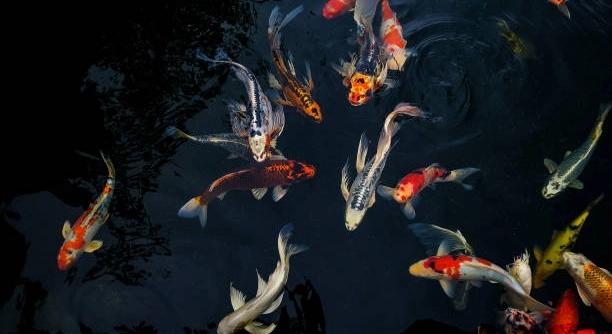
Koi are beautiful fish that bring calm to any pond. When they stop eating, it can be concerning for pond owners. This article provides practical steps to help understand and address this common issue with koi fish.
Koi stopping eating can result from stress, illness, water quality, or changes in environment. Identifying the cause quickly and taking appropriate measures, such as improving water conditions or consulting a vet, is essential for their recovery.
Knowing how to respond when koi refuse food helps maintain their health and the overall balance of the pond environment. The following tips offer clear guidance for addressing this problem effectively.
Check Water Quality First
Water quality plays a vital role in koi health. Poor water conditions can cause koi to lose appetite quickly. Test the water for ammonia, nitrites, nitrates, pH, and temperature. Ammonia and nitrites are toxic to fish and must be kept at zero. Nitrates should stay below 40 ppm. pH levels between 6.8 and 8.2 are ideal. Temperature fluctuations can also stress koi, causing them to stop eating. If any parameters are off, take steps to correct them by doing partial water changes or using water conditioners. Maintaining stable water conditions prevents health problems and encourages koi to eat regularly. It is also important to remove debris and check the filtration system to ensure it is working properly. Regular monitoring and maintenance keep the pond environment safe and comfortable for koi.
Consistent water quality management is key to preventing feeding issues in koi ponds.
Adjusting water quality improves koi appetite and overall health, helping them recover and enjoy their food again.
Observe Koi Behavior
Observe koi carefully for signs of illness or stress. Look for lethargy, unusual swimming patterns, or physical changes like spots, redness, or swelling. Sick koi often stop eating as their bodies try to fight infection. Stress from overcrowding or sudden changes in environment can also reduce feeding. If behavior changes persist, isolate the affected koi to avoid spreading disease. Quarantine and treatment may be necessary, especially if you notice white spots or fungal growth. Early detection and action improve chances of recovery. Keep the pond calm by reducing noise and activity around the fish. Providing hiding spots like plants or shelters can also help reduce stress and encourage koi to eat.
Understanding koi behavior is essential to address feeding problems and maintain pond health.
Keeping a close watch on your koi ensures timely care and prevents feeding issues from worsening.
Adjust Feeding Habits
Reducing the amount of food given can help when koi stop eating. Overfeeding can lead to poor water quality and stress.
Feeding smaller portions encourages koi to eat without overwhelming their digestive system. Offering food once or twice daily during warmer months is ideal. Avoid feeding in cold water below 50°F, as koi metabolism slows and digestion becomes difficult. Use high-quality pellets formulated for koi, as they are more digestible and nutritious. Remove any uneaten food promptly to prevent water contamination, which can cause health issues and discourage koi from eating.
Consistency in feeding times helps koi adjust and regain their appetite. Changing the diet gradually can also stimulate feeding interest without shocking the fish.
Improve Pond Environment
Maintaining a clean and stable pond environment supports koi health. Clear water, good circulation, and adequate oxygen levels reduce stress and encourage feeding. Remove algae buildup and decaying plant matter regularly, as they can harbor harmful bacteria. Adding aquatic plants provides shade and hiding spots, which help koi feel secure. Installing aeration devices, such as air stones or fountains, increases oxygen levels, improving koi vitality. Proper filtration is essential to remove waste and maintain water clarity.
A balanced pond environment minimizes stress factors that cause koi to stop eating. Regular pond upkeep ensures koi remain active and healthy.
Provide a Stress-Free Space
Reducing sudden noise and activity near the pond helps koi feel safe. Stress often causes koi to lose appetite.
Limiting handling and keeping pets or children away from the pond can also lower stress. A calm environment encourages koi to resume normal feeding habits.
Use Supplements Carefully
Certain vitamins and probiotics can improve koi digestion and immune health. Adding these supplements to their diet may help stimulate appetite and support recovery during feeding problems.
Follow product instructions carefully and avoid overuse, as excessive supplements can cause harm. Consult a professional if unsure.
Consult a Veterinarian
If koi continue to refuse food despite changes, professional advice is necessary. A vet can diagnose underlying illnesses and recommend treatment.
FAQ
Why do koi stop eating suddenly?
Koi may stop eating due to stress, illness, or poor water quality. Changes in temperature or environment can also affect their appetite. Sometimes, parasites or infections cause koi to feel unwell, making them less interested in food. Monitoring these factors helps identify the cause quickly.
How long can koi survive without eating?
Koi can survive for several days to a few weeks without food, depending on water temperature. In cooler water, their metabolism slows, so they require less food. However, prolonged fasting weakens their immune system and makes them vulnerable to disease. Prompt action is important.
Can overfeeding cause koi to stop eating?
Yes, overfeeding can reduce koi appetite. Leftover food decomposes, degrading water quality and increasing toxins. Poor water conditions stress koi and discourage eating. Feeding smaller portions and removing uneaten food maintains a healthier pond and encourages regular feeding.
What water parameters affect koi appetite?
Ammonia, nitrites, nitrates, pH, and temperature influence koi appetite. Ammonia and nitrites must be near zero to avoid toxicity. Nitrate levels should stay low. pH levels between 6.8 and 8.2 are ideal. Sudden temperature drops or rises also reduce feeding.
How can I encourage my koi to eat again?
Improving water quality, reducing stress, and offering high-quality food in small amounts help koi regain appetite. Maintaining stable temperature and consistent feeding times also encourages feeding. Adding vitamins or probiotics can support their health.
Is it normal for koi to eat less in cold weather?
Yes, koi metabolism slows in cold water, so they eat less or stop eating. Feeding should be reduced or paused when temperatures fall below 50°F. Overfeeding during cold months can cause digestive problems.
When should I quarantine a koi that stops eating?
Quarantine if the koi shows signs of illness such as white spots, redness, swelling, or unusual behavior. Isolating helps prevent disease spread and allows for targeted treatment. Use a separate tank with clean water and appropriate medication.
Can stress cause koi to lose appetite?
Stress from overcrowding, predators, loud noises, or sudden environmental changes often leads to loss of appetite. Reducing disturbances and providing hiding spots reduces stress and helps koi eat normally again.
What are common diseases that affect koi appetite?
Common diseases include parasites, bacterial infections, and fungal growths. These illnesses cause discomfort and reduce feeding. White spot disease, ulcers, and fin rot often lead to appetite loss. Early detection and treatment are critical.
How often should I feed koi during warmer months?
Feed koi once or twice daily in warmer months when water temperature is above 60°F. Give small portions that they can consume within a few minutes to avoid leftover food that harms water quality.
Can changing food brands affect koi appetite?
Sudden changes in food type or brand may cause koi to refuse food. Gradual transitions over several days allow koi to adjust. Offering a variety of quality foods can also prevent boredom and improve feeding response.
Is it safe to feed koi treats when they stop eating?
Treats like watermelon or peas can sometimes stimulate appetite but should be given sparingly. Avoid overfeeding treats as they may cause digestive upset. Focus on balanced pellets designed for koi nutrition.
How do I know if poor water quality is causing feeding issues?
If koi stop eating and water tests show high ammonia, nitrites, or nitrates, poor water quality is likely the cause. Cloudy or foul-smelling water and dead plants are signs. Immediate water changes and filtration checks are needed.
What should I do if my koi refuses food after medication?
Medications can upset koi appetite temporarily. Ensure dosing is correct and water conditions remain stable. If koi refuse food for more than a few days, consult a vet, as prolonged refusal may indicate other problems.
Can temperature shock cause koi to stop eating?
Yes, sudden temperature changes stress koi and reduce feeding. Avoid rapid water changes or placing new water that is too hot or cold. Gradual acclimation protects koi health and maintains appetite.
Are koi sensitive to noise?
Koi are sensitive to loud noises and vibrations. Continuous disturbances near the pond can stress them, causing feeding issues. Keeping the pond area quiet and peaceful encourages koi to feed regularly.
Final Thoughts
When koi stop eating, it is important to address the problem promptly to prevent further health issues. Loss of appetite in koi can result from various factors including stress, illness, poor water quality, or changes in their environment. Observing the fish closely and checking pond conditions are key steps in identifying the cause. Small adjustments such as improving water quality, managing feeding amounts, and reducing stress can often restore normal feeding behavior. Ignoring the problem may lead to weakened immunity and increased vulnerability to disease.
Maintaining a balanced and clean pond environment is essential for koi health. Proper filtration, aeration, and regular water testing help keep water parameters stable and safe. Providing the right type of food and feeding at consistent times supports koi digestion and appetite. Sometimes, supplements or probiotics can help improve koi vitality during recovery periods. It is also important to avoid overfeeding, as excess food can pollute the water and discourage koi from eating. Consistency in care and patience are necessary while working to get koi feeding again.
If koi continue to refuse food despite efforts to improve conditions, consulting a veterinarian is advisable. A professional can diagnose underlying health problems that may not be visible and recommend treatment. Early intervention improves the chances of recovery. Remember that koi are sensitive creatures, and small changes can have significant effects on their behavior. Taking a careful, steady approach to their care ensures a healthier pond and happier koi in the long run.

Hello,
If you enjoy the content that we create, please consider saying a "Thank You!" by leaving a tip.
Every little bit helps us continue crafting quality advice that supports the health, happiness, and well-being of pets around the world, for pets of all shapes, sizes, and species.
We really appreciate the kindness and support that you show us!