
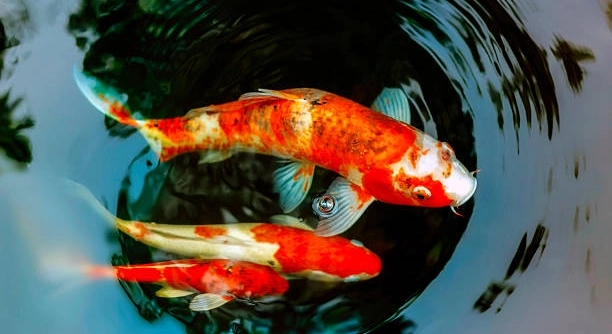
Are your koi acting strangely during sudden cold snaps, leaving you unsure if their behavior is normal or something to worry about? Changes in weather can affect pond life in ways that aren’t always easy to spot.
Cold snaps affect koi behavior by slowing their metabolism, reducing activity levels, and altering feeding patterns. Sudden temperature drops can also lead to stress, weakened immune responses, and increased vulnerability to certain health issues and environmental changes.
Understanding these changes will help you care for your koi more confidently and keep their pond environment safe throughout the cold.
Slower Movement and Less Activity
Koi naturally become less active as temperatures drop. Cold snaps can cause a sudden shift in their movement patterns, with fish spending more time resting near the bottom of the pond. This is due to their cold-blooded nature. Their metabolism slows down when the water cools, making them conserve energy. You might notice them swimming less or becoming still for long periods. This is normal and expected in colder conditions. However, if your koi appear overly sluggish or isolated for days, it may be worth checking water quality. Oxygen levels and sudden changes in pH during a cold snap can make things worse. It’s also helpful to observe how they react during feeding times, as even a small response can give you insights into their current state.
Koi reduce energy use in cold water, so slow movement is a natural reaction. It helps them adjust to the sudden change in temperature.
They often gather at the bottom where water is slightly warmer and more stable. When this happens, avoid disturbing them. Limiting interaction during this time can reduce stress. If you need to do maintenance, work gently and briefly. Try not to make sudden noise or movements that could alarm them. It’s best to let them rest while they adapt.
Decreased Appetite and Feeding Response
Your koi will likely eat less during a cold snap, or not at all. Their digestion slows, and trying to feed them normally may do more harm than good.
When the temperature drops quickly, koi often stop eating. Their digestive system becomes less efficient below 50°F (10°C), making it harder to process food. If you continue feeding them, uneaten food can build up and affect water quality. In extreme cold, it’s best to skip feeding altogether. If temperatures are still fluctuating around 50°F, use wheat germ-based food in small amounts, only when they show interest. It’s important to monitor their response. If they swim away from food or ignore it completely, remove it to avoid spoilage. Feeding should be done in the warmest part of the day if needed. Watching your koi’s behavior closely during this period will guide you better than any fixed schedule. Adjust based on their activity and the stability of the temperature.
Increased Sensitivity to Stress
Cold snaps can make koi more sensitive to changes in their environment. Even small disruptions in water quality, noise, or movement can trigger stress, which may weaken their immune response and affect their overall health.
During a cold snap, koi become less resilient to sudden changes. Stress from fluctuating oxygen levels, pH shifts, or over-handling can lead to visible signs like clamped fins, sudden darting, or isolation. Avoid pond maintenance during this time unless absolutely necessary. If you must clean filters or adjust equipment, do it slowly and calmly to reduce disturbance. Using a pond thermometer helps you track when conditions start stabilizing, giving you a better idea of when to resume normal care. Consistency is key—keeping things predictable helps your koi feel safer during colder days and nights. Reducing stress during these periods can improve their ability to recover once temperatures rise again.
Even strong koi may show signs of stress if exposed to multiple stressors at once during a cold snap. Try not to net or move them unless it’s urgent. Loud sounds or excessive vibrations can also be unsettling. If you use pond equipment that makes noise or strong currents, consider turning it down temporarily. Your koi will benefit from calm and consistent surroundings.
Lowered Immune Function and Illness Risk
When water temperatures drop, the koi’s immune system weakens. This leaves them open to infections and parasites they would normally fight off easily. Cold water slows their healing process, which can make minor issues harder to recover from.
Even if your koi look fine at the start of a cold snap, they can develop problems within a few days if conditions aren’t stable. Keep an eye out for white patches, cloudy eyes, or sores. Parasites like flukes or anchor worms may become more active when the fish are vulnerable. You won’t always catch these issues early, so try to keep water quality high and avoid crowding. Regular water testing helps you act early if anything shifts. Also, avoid adding new fish during or right after a cold snap. Their presence can introduce new stress or pathogens to an already weakened system. Supporting koi health starts with stable water and low stress.
Changes in Social Behavior
Koi often become less interactive with each other during cold snaps. You may notice them swimming alone or spacing out more than usual. This behavior is part of their natural response to conserve energy in colder water.
They also tend to avoid competition during feeding. Since they are eating less, there’s no rush to gather around food. Aggressive behaviors usually calm down, and territorial disputes may temporarily stop. It’s a quiet period where koi keep to themselves more often.
Slower Healing from Minor Injuries
Small scrapes or fin damage heal much slower when water temperatures drop. The koi’s natural healing process depends on warmth and a strong immune system. In cold water, blood flow decreases and cell repair slows. This means wounds that usually heal in days can now take weeks. If you notice minor damage, avoid trying to treat it with harsh medications during a cold snap. Let the fish rest and keep water conditions clean. Use pond salt in small amounts only if absolutely needed. Once temperatures rise again, healing will naturally speed up, and you can reassess if any treatment is still necessary.
Greater Risk During Temperature Swings
Sudden ups and downs in temperature stress koi more than consistent cold. These swings confuse their system, making it harder to adjust. Stable temperatures, even if cold, are easier on their body than constant fluctuation.
How long do cold snaps affect koi behavior?
Cold snaps typically influence koi behavior as long as water temperatures remain low. Depending on your climate, this can last from several days to a few weeks. Koi metabolism and activity levels stay reduced throughout this period. Once temperatures begin to rise steadily above 50°F (10°C), koi will gradually return to normal feeding and swimming patterns. However, the recovery may take a few days since their systems need time to adjust. The exact length of behavioral changes depends on how quickly the temperature stabilizes and the severity of the cold snap.
Can koi survive extended cold snaps?
Yes, koi can survive extended cold snaps if their pond environment is properly maintained. Ponds that are deep enough and have stable oxygen levels give koi a better chance during prolonged cold periods. Ice cover should be prevented or managed to allow gas exchange. Feeding should be minimal or stopped if water is consistently below 50°F to avoid digestive problems. Keeping the water clean and free of toxins reduces additional stress. Despite slowed metabolism and inactivity, koi have adapted to survive cold weather by conserving energy. They will recover once warmer conditions return.
Should I feed koi during cold snaps?
Feeding koi during cold snaps should be done with caution. When water temperatures fall below 50°F, koi digestion slows, and they may not process food properly. Feeding at this time can lead to leftover food, polluting the pond and harming water quality. If temperatures hover near 50°F and koi show interest in food, offer small amounts of wheat germ-based feed, which is easier to digest. Feeding should occur during the warmest part of the day. If koi ignore food completely, stop feeding and wait until temperatures rise again.
How can I reduce stress on koi during cold snaps?
To reduce stress, avoid unnecessary pond maintenance and minimize disturbances. Keep water conditions stable by regularly checking oxygen levels and removing debris. Limit noise and sudden movements near the pond. If equipment like filters or pumps create strong currents or noise, reduce their intensity temporarily. Maintaining stable water chemistry and avoiding overcrowding helps koi cope with colder conditions. Allow koi to rest undisturbed in deeper or sheltered parts of the pond where temperatures are more stable.
What signs indicate health problems during cold snaps?
Watch for clamped fins, abnormal swimming patterns, isolation, white patches, cloudy eyes, or sores. These can be signs of stress or disease worsened by cold water. Parasites like flukes may become more active when koi immune systems are weak. Changes in appetite and lethargy beyond normal cold-related slowing also signal potential issues. If symptoms appear, focus on improving water quality and reducing stress rather than immediately medicating. Treating fish during cold snaps is less effective because their metabolism is slow.
Is it safe to add new koi during or after a cold snap?
Adding new koi during or immediately after a cold snap is not recommended. New fish bring stress and possible pathogens that can overwhelm already weakened fish. Koi need time to recover from cold stress before facing new challenges. Wait until water temperatures are stable and warm, and your existing koi show signs of normal activity and appetite. Quarantine new fish separately before introducing them to prevent disease spread. Timing new introductions properly helps maintain overall pond health.
How do temperature swings affect koi differently than steady cold?
Rapid temperature changes cause more stress than consistent cold. Koi need time to adjust their metabolism and immune response. Frequent swings can confuse their systems, leading to higher risk of illness and erratic behavior. Stable cold conditions allow koi to slow down and conserve energy without constant adaptation. If you live in an area with unpredictable weather, try to minimize pond temperature fluctuations with pond heaters or covers when possible. Keeping the environment stable helps koi stay healthier.
Can pond heaters help during cold snaps?
Pond heaters can prevent water from freezing and maintain a more stable temperature in critical areas of the pond. They do not need to warm the entire pond but should keep a hole in the ice for gas exchange. Heaters reduce stress on koi by preventing extreme temperature drops and maintaining oxygen levels. However, avoid overheating or rapid warming, which can be just as harmful. Using a thermostat with the heater helps keep temperature changes gradual and safe.
What water parameters are most important to monitor during cold snaps?
Oxygen levels and ammonia are the top priorities. Cold water holds more oxygen, but koi use less, so sudden drops can still cause problems. Ammonia and nitrite should stay near zero, as cold water can slow beneficial bacteria responsible for breaking these down. Regular testing helps catch any dangerous spikes. pH should remain stable to avoid additional stress. Keeping the water clean with minimal waste buildup supports koi health during temperature drops.
When should I seek professional help for koi during cold snaps?
If koi show signs of severe illness, such as rapid breathing, heavy mucus, open sores, or if multiple fish are affected, consult a veterinarian experienced with fish. Prolonged lethargy or refusal to eat after temperatures rise is also cause for concern. Early diagnosis and treatment can improve outcomes. Professionals can advise on safe treatments during colder periods and recommend proper pond management to avoid recurring problems.
Cold snaps can have a clear impact on koi behavior, changing how these fish move, eat, and interact in their environment. Their metabolism slows down significantly, which reduces their activity and feeding. During colder periods, koi tend to seek shelter in deeper or warmer parts of the pond, conserving energy until temperatures rise again. It is normal to see less movement and less interest in food during these times. Understanding these natural changes helps koi owners avoid unnecessary worry and supports better care decisions when the weather turns cold.
Maintaining stable pond conditions during cold snaps is essential for koi health. Fluctuations in temperature, poor water quality, or low oxygen levels add stress and can lead to illness. It is important to avoid overfeeding since koi digest food more slowly in cold water, and uneaten food can pollute the pond. Keeping the pond clean and ensuring there is enough oxygen in the water supports koi through this period. Using tools like pond heaters or aerators, when needed, can help keep the environment safe and stable. These small actions can make a significant difference during extended cold snaps.
As the weather warms, koi will gradually become more active and return to their usual feeding habits. Recovery from the cold is not immediate; it takes time for their metabolism and immune systems to fully adjust. Watching koi carefully for any signs of illness during and after cold snaps allows for timely intervention if problems arise. Being aware of the effects cold snaps have on koi behavior and pond conditions prepares owners to provide the best care. This knowledge helps ensure koi remain healthy and resilient through seasonal changes.

Hello,
If you enjoy the content that we create, please consider saying a "Thank You!" by leaving a tip.
Every little bit helps us continue crafting quality advice that supports the health, happiness, and well-being of pets around the world, for pets of all shapes, sizes, and species.
We really appreciate the kindness and support that you show us!