
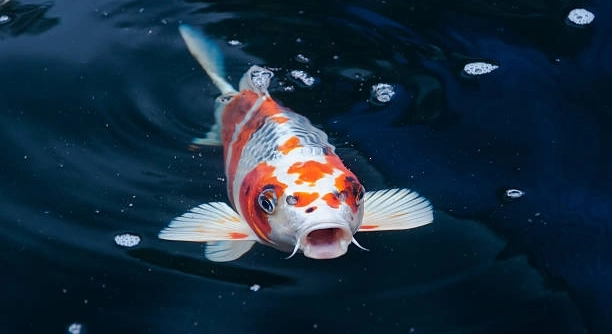
Koi fish are known for their graceful movements and vibrant colors. One interesting behavior is how they often swim closely together, sometimes even following one another around the pond. This pattern has intrigued many fish enthusiasts and researchers alike.
Koi fish follow each other mainly due to social behavior and safety instincts. Swimming in groups helps reduce the risk of predators and promotes social bonding within the school. Additionally, following one another aids in navigating their environment effectively.
This article will explore the reasons behind this behavior, shedding light on koi fish social habits and how these patterns benefit their survival and wellbeing.
Reasons Koi Fish Follow One Another
Koi fish often swim together in groups, which is a natural behavior rooted in their instinct to stay safe. Swimming in a school helps them avoid predators by making it harder for a single fish to be targeted. This safety in numbers also provides comfort, as koi are social creatures that prefer company. Following each other also helps them find food more efficiently since a group can locate resources faster than an individual fish. Additionally, koi use following behavior to navigate their environment. If one fish finds a good spot with suitable conditions, the others quickly join. This pattern is common in many fish species but is especially noticeable in koi due to their calm, steady swimming and bright colors that make their movements easy to observe.
Following behavior is a survival tactic that also promotes social interaction among koi fish. It ensures they stay together and respond quickly to changes around them.
Koi fish following one another is not random; it plays a significant role in maintaining their safety and social structure. This behavior supports their well-being by encouraging cooperation and reducing stress. In captivity, this pattern can also indicate good health and a stable environment, which is important for their long-term care.
Social Behavior and Communication
Koi fish communicate through body language and movement, which is essential in their group dynamics. Following allows them to stay connected.
This communication helps koi coordinate movements and avoid conflicts within the group. Following a lead fish can indicate trust and recognition among members. These social signals ensure the group moves as one, which is critical for survival in natural and controlled environments. Understanding this helps koi keepers provide better care by recognizing when fish are stressed or isolated, as they may stop following others in such cases.
Environmental Factors Affecting Following Behavior
Water quality and temperature significantly impact koi fish behavior. Poor water conditions can cause stress, leading to less group cohesion. When the environment is comfortable, koi are more likely to swim closely and follow one another consistently.
Stable environments promote calm and social behavior among koi. Clean water, proper filtration, and suitable temperatures encourage fish to interact. If water quality drops, koi may scatter or isolate themselves, breaking the usual following patterns. Maintaining optimal conditions helps keep koi healthy and socially active, which benefits their overall behavior and longevity.
Lighting and pond layout also influence following behavior. Natural light cycles support koi activity levels, and hiding spots or open areas affect how koi swim together. A well-structured pond encourages group movement and reduces stress, which strengthens their tendency to follow one another.
Benefits of Following Behavior in Koi Fish
Following behavior reduces stress by creating a sense of safety within the group. Koi that swim together are less vulnerable to threats and feel more secure. This comfort leads to healthier fish overall.
This behavior also supports feeding efficiency. When koi follow one another, they can quickly locate food sources and share resources. It helps prevent aggressive competition by promoting a cooperative environment. Moreover, following strengthens social bonds, which improves communication and group stability. For koi keepers, observing these interactions can indicate the health of the pond’s ecosystem. Recognizing when koi stop following each other can signal stress or illness, prompting timely intervention.
How Koi Fish Choose Whom to Follow
Koi often follow the strongest or most confident fish in the group. This leader guides the others to food sources and safe areas. The choice is based on social hierarchy and experience within the school.
Leaders are usually more active and explore the pond more. Other koi tend to trust these fish, which helps maintain order and reduces conflict in the group. This behavior keeps the group coordinated and efficient.
Influence of Breeding and Genetics
Certain koi strains have stronger tendencies to school and follow due to their genetic makeup. Breeding can affect social behavior, with some varieties more inclined to group swimming than others.
Observing Following Behavior in Your Pond
Watching koi follow one another provides insight into their health and social dynamics. Changes in this behavior can signal environmental or health issues, making it an important aspect of pond care.
FAQ
Why do koi fish follow one another so closely?
Koi follow each other primarily for safety and social reasons. Swimming in groups helps protect them from predators by creating confusion and reducing individual risk. It also supports social bonds, which are important for their wellbeing. Following others helps them move together smoothly and find food or shelter efficiently.
Is it normal for koi to stop following each other?
Yes, it can be normal sometimes. When koi are stressed, sick, or uncomfortable in their environment, they might isolate themselves. Changes in water quality, temperature, or social tension can cause koi to stop following the group. Observing these changes early can help identify issues before they worsen.
Do all koi fish follow one another equally?
Not always. Some koi are more dominant or confident and become leaders. Others prefer to follow rather than lead. Factors like age, size, health, and personality influence how much each fish participates in following behavior. Groups usually have a natural hierarchy.
Can the pond environment affect koi following behavior?
Absolutely. Clean water, proper temperature, and good pond design encourage koi to swim together calmly. Poor water quality or overcrowding can cause stress, which breaks up group cohesion. Providing a comfortable, stable environment helps maintain natural social behaviors.
Does feeding affect how koi fish follow each other?
Feeding times often increase following behavior. When one koi finds food, others quickly follow to share the resource. This coordinated feeding reduces competition and supports group interaction. Consistent feeding schedules help koi stay active and connected.
How can I tell if following behavior means my koi are healthy?
Healthy koi tend to swim together smoothly and follow each other consistently. If koi stop grouping or show erratic swimming, it may indicate stress or illness. Watching their behavior regularly can help spot problems early, allowing timely care or adjustments in their environment.
Are there differences in following behavior between koi varieties?
Yes, some koi varieties are naturally more social due to genetics and breeding. Certain strains show stronger tendencies to follow and school, while others may prefer more solitary behavior. Understanding these differences can help in managing mixed koi ponds effectively.
What should I do if my koi are not following each other?
First, check the water quality, temperature, and pond conditions. Poor environment often causes stress and isolation. Look for signs of illness or injury. Improving water parameters, reducing overcrowding, and ensuring proper feeding usually restore normal behavior.
Can koi fish learn to follow each other over time?
Koi are capable of learning social behaviors. Younger or new fish often observe and adapt to group patterns. Over time, they develop trust and coordination with the school, increasing their following behavior. Consistent pond conditions support this learning process.
Does following behavior affect koi breeding or reproduction?
Following and social bonding can impact breeding success. Koi that feel safe and connected within a group are more likely to engage in mating behaviors. A stable social environment encourages natural reproductive cycles and healthy offspring.
Is it harmful for koi to always follow one dominant fish?
Typically, following a leader helps group coordination and safety. However, if one fish becomes overly aggressive or stressed, it may disrupt the group dynamic. Monitoring interactions helps ensure no fish is negatively impacting others’ wellbeing.
Can koi fish following behavior be influenced by humans?
Yes, koi often recognize and follow their caretakers during feeding times. This behavior shows trust and association with food sources. Regular interaction with koi can strengthen this bond and encourage positive following behavior around people.
Final Thoughts
Koi fish following one another is a natural and important behavior rooted in their social instincts and survival needs. This pattern helps them stay safe by reducing the risk of predators targeting a single fish. It also encourages cooperation within the group, allowing them to find food and navigate their environment more efficiently. Observing this behavior can provide valuable insight into their overall health and the quality of their surroundings. When koi swim together calmly and consistently follow one another, it generally indicates that they feel secure and comfortable in their habitat.
Environmental conditions play a major role in supporting this behavior. Clean water, proper temperature, and a well-maintained pond create an ideal setting where koi can thrive and display their natural social habits. Poor water quality or overcrowding often leads to stress, causing fish to isolate or behave unusually. Paying close attention to the pond environment and maintaining stability helps ensure koi remain active and connected to their group. This, in turn, supports their health and longevity, making it easier to care for them effectively.
Following behavior is also influenced by social hierarchy and individual personalities within the group. Some koi take on leadership roles, while others prefer to follow. This dynamic contributes to the overall harmony of the school and helps avoid conflicts. Understanding these social patterns allows koi keepers to better manage their ponds, recognizing when changes in behavior might signal problems. In the end, watching koi fish follow one another is more than just a charming sight—it is a sign of their wellbeing and a key part of their natural lifestyle.

Hello,
If you enjoy the content that we create, please consider saying a "Thank You!" by leaving a tip.
Every little bit helps us continue crafting quality advice that supports the health, happiness, and well-being of pets around the world, for pets of all shapes, sizes, and species.
We really appreciate the kindness and support that you show us!