
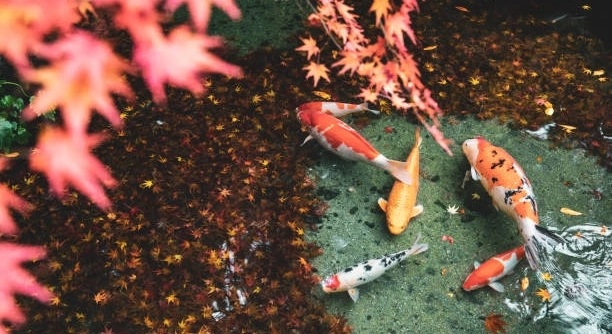
Is your koi pond starting to look too artificial, even though you’ve added rocks and plants to make it feel more natural?
The best way to make a koi pond look natural is by blending natural materials, using irregular shapes, incorporating native plants, and hiding artificial components. These techniques help create a balanced, organic appearance that supports both beauty and pond health.
Each of these ideas is simple to try and can make your koi pond feel like a peaceful part of the landscape.
Use Natural Edges Instead of Straight Lines
When designing your koi pond, avoid sharp corners and symmetrical shapes. Natural ponds are rarely perfect circles or squares. Instead, use curves, uneven lines, and varying depths to make your pond blend into the surrounding landscape. Large rocks, uneven soil levels, and sloped edges help mimic natural settings. You can also add logs, branches, or even a few flat stones along the sides. Keep in mind that placing different-sized stones together makes everything look more realistic. Straight edges can feel harsh and artificial, but curved or ragged borders soften the appearance. Try to layer the edge materials too—like gravel, medium stones, and a few plants along the border. That added depth makes it easier to trick the eye into thinking it’s always been there. Everything you add should look like it belongs, without being too symmetrical or overly neat. Let the pond blend into the garden.
Natural edges encourage a smoother flow from water to land. They’re also safer for koi and allow room for planting.
Use edges to create hiding spots and give your pond a relaxed, calm feel. Even simple adjustments—like breaking up straight lines—can make a big difference. Over time, plants and moss will fill in those gaps naturally.
Add Native Aquatic Plants
Using native aquatic plants is one of the easiest ways to make a koi pond look more natural. These plants grow well in your climate and help create a balanced ecosystem. They also make the pond more inviting.
Plant placement matters just as much as plant type. Try adding a mix of submerged, floating, and marginal plants. Submerged plants help oxygenate the water and improve clarity, while floating varieties like water lilies provide shade and hiding spots. Marginal plants such as pickerelweed or cattails line the edges and soften the transition between land and water. When choosing plants, avoid ones that look too exotic or don’t grow naturally in your region, as they can feel out of place. Grouping the same plant in small clusters looks more natural than spacing everything evenly. Also, let a few leaves or stems trail over the water’s surface for a softer, aged look. Don’t over-trim—plants that look a little wild add to the charm. Regular maintenance is still needed, but the goal is to keep things loose and flowing, not overly manicured.
Use Natural-Looking Pond Liners and Hide Exposed Edges
Black rubber pond liners can easily make a pond look man-made. To avoid this, cover all visible liner edges with stones, gravel, soil, or plants. It should look like the water naturally meets the land.
Once your liner is in place, tuck it beneath flat stones or layer it with soil and mulch. This helps it blend in with the surroundings. You can also let creeping plants grow along the edges to soften the transition. Avoid using materials that look too clean or polished. Choose irregular stones and scatter them casually so they don’t look placed on purpose. You can even let moss grow over parts of the edge for added texture. The goal is to make it seem like the waterline occurred naturally, without sharp breaks. Keeping edges low and soft will help your pond blend better with the landscape around it.
Consider shaping the liner edge to dip and rise, rather than keeping it flat. These small dips create visual interest and help your rock placement feel more organic. When covering the liner, be sure the materials are secure to prevent slipping or exposure after rain. Over time, nearby plants will help reinforce the edges naturally.
Choose Rock Types That Match Your Local Landscape
Rocks play a big role in making your pond look natural. If possible, pick rocks that match those found in your area. That way, they won’t stand out or feel misplaced in your yard.
Use a mix of rock sizes, from large anchor stones to smaller filler gravel. Don’t try to arrange them in perfect lines or patterns—nature is rarely that tidy. Start by placing the largest rocks first, then add medium and small ones around them to fill in gaps. Avoid using only smooth or round stones unless your area has river rocks. Instead, go for a mix of textures. If your yard already has rocky features, try to match the pond stones to those for a unified look. Once the rocks are placed, add a few water plants or moss to make the edges even softer and more settled.
Place some of the rocks slightly submerged in the water to mimic natural erosion or slow changes in water levels. This helps the pond feel more established. Over time, algae and weathering will also add to the effect, making the rocks blend even more. Don’t overdo the number—leave open areas too, just like a real pond.
Let Algae and Moss Grow Naturally
A little algae or moss can actually help your pond look more natural. Clean, algae-free rocks may seem tidy, but they don’t blend well with the surrounding environment. Letting some moss grow softens edges and adds texture.
Avoid over-scrubbing surfaces or using harsh chemicals to keep things spotless. Some growth is expected.
Create Depth with Varying Pond Levels
Varying pond depth adds both visual interest and a more realistic look. Natural ponds aren’t flat—they dip in places and rise in others. Create shallow areas near the edge for plants and wading, and gradually slope into deeper zones for your koi. This mix helps with both function and appearance. Deeper areas give fish space to swim freely, while shallow spots allow sunlight to reach aquatic plants. Use gentle slopes instead of sharp drops, and try to avoid any clearly defined steps or ledges. Once filled, these depth changes will create natural reflections and help shadows fall more softly across the water.
Use Weathered Wood or Driftwood
Adding driftwood or aged wood near your pond can make it feel more natural and lived-in. Place pieces where they look like they’ve been resting there for years, not arranged too perfectly.
FAQ
How do I make a koi pond blend in with my garden?
Use materials that already exist in your yard. Match the types of rocks and plants to what grows naturally in your area. Avoid bright-colored decorations or modern statues. Add native plants around the pond and let moss grow over time. Use curved lines and avoid straight edges. This makes the pond feel like it belongs in the landscape, not like it was just placed there.
Can I use regular garden soil for planting around my pond?
It’s best to avoid standard garden soil right near the water’s edge. It can easily wash into the pond and cloud the water. Use clay-based aquatic soil or heavy topsoil that stays put. You can also plant directly into gravel in some spots if the plant allows. Mulch lightly around surrounding areas but not too close to the water.
What plants make a koi pond look more natural?
Native grasses, water lilies, reeds, and creeping groundcovers all help. Look for marginal plants like pickerel rush, iris, and water mint. These grow around the pond edges and blend water into land. Floating plants like water lettuce and duckweed also soften the look. Avoid too many exotic or tropical species that can seem out of place.
Do koi eat pond plants?
Yes, koi will nibble on many aquatic plants, especially soft leafy ones. To protect them, use plant baskets or create shallow zones separated by rocks where koi can’t reach. Hardy plants with tougher leaves tend to survive better. You may need to experiment to find which ones your koi ignore.
How do I make my pond water look clear but still natural?
Use a biological filter and keep plant life balanced. Don’t aim for swimming-pool clarity. A little green tint or algae on rocks is fine. Add submerged plants to absorb nutrients and control algae naturally. Avoid overfeeding koi. Regularly clean out debris without scrubbing too much. Keep the water moving gently with a pump.
Should I add fish caves or hiding spots for koi?
Yes, koi need hiding places to feel safe from predators and sun. Use rock overhangs, stacked slate, or even submerged clay pots turned on their sides. Just make sure the openings are big enough so the fish don’t get stuck. Spread them out to keep the pond looking balanced.
Is it okay to leave leaves and debris in the pond for a natural look?
Some leaves are fine and help mimic a real pond, but too much can lead to poor water quality. In fall, use a net to remove excess leaves. You can leave a few on the bottom as habitat, but scoop out rotting plant matter regularly so it doesn’t harm the fish or plants.
How many plants should I add to keep the pond balanced?
Aim to cover about 60–70% of the pond surface with a mix of floating, submerged, and marginal plants. This helps with shade, nutrient absorption, and keeping algae in check. Try not to overcrowd the space, especially in small ponds. Start with a few and adjust as they grow.
Can I make my pond look natural without spending a lot of money?
Yes, you can use what’s already in your yard—stones, wood, soil, and native plants. Avoid over-decorating or buying artificial items. Use reclaimed materials when possible. Let moss and algae grow naturally. Over time, even a basic pond will settle into the landscape if you give it space to grow naturally.
How do I prevent my koi pond from looking too perfect?
Avoid symmetry or placing things too evenly. Let plants grow slightly over rocks. Don’t clean too often or arrange stones in straight lines. Use uneven spacing and let nature take the lead. As your pond matures, it’ll become more natural without much effort—just some patience and care.
Final Thoughts
Creating a natural-looking koi pond takes time, but it doesn’t have to be complicated. The key is to keep things simple and let nature guide the design. Choose soft edges, native plants, and materials that match your surroundings. Skip the overly polished look and go for something more relaxed and peaceful. This helps the pond feel like part of the landscape rather than a separate feature. Even small changes like adjusting the rock placement or letting some moss grow can make a big difference in how the pond blends in. When everything flows together, the space becomes calming and easy to enjoy.
It also helps to observe how nature works. Look at local creeks or ponds to see how plants grow, where water collects, and how stones are shaped. Try to bring those details into your own pond. Let plants grow freely without trimming too much. Give them time to settle in and take shape naturally. Avoid sharp lines or using too many artificial decorations. Nature is rarely perfect, and small flaws often make a space more interesting. Use this idea when working on your pond. Whether you’re adding a few new plants or adjusting the layout, aim for something that feels relaxed and real.
Over time, your koi pond will develop its own look and rhythm. The fish will settle in, the plants will spread, and the water will balance itself. It’s okay if it doesn’t look perfect right away. A natural pond grows more beautiful with each season. The most important part is to enjoy the process and stay patient. If something doesn’t work, you can always adjust it later. Focus on creating a space that feels peaceful and welcoming—for both you and the koi. With the right setup and a little care, your pond can become a quiet and beautiful spot that blends into your yard naturally, without needing constant changes or upgrades. Keep it simple, let it grow, and enjoy the calm it brings.

Hello,
If you enjoy the content that we create, please consider saying a "Thank You!" by leaving a tip.
Every little bit helps us continue crafting quality advice that supports the health, happiness, and well-being of pets around the world, for pets of all shapes, sizes, and species.
We really appreciate the kindness and support that you show us!