
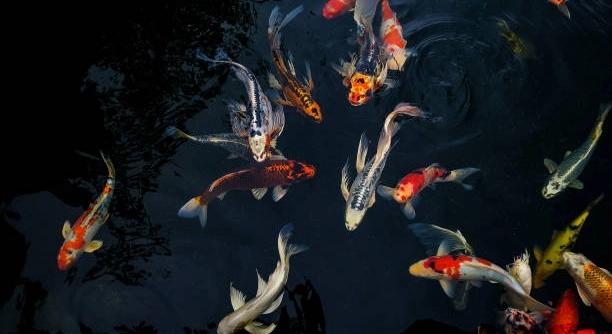
Do you ever find yourself scrubbing near your pond but worrying about disturbing your koi fish or harming their environment?
To safely clean around koi fish, use gentle tools, avoid chemical products, and maintain stable water conditions. Removing debris slowly and carefully helps reduce stress on the fish while keeping their habitat clean and balanced.
Learning how to clean properly can protect your koi’s health and maintain the beauty of their home with less stress for both of you.
Choosing the Right Tools and Products
Keeping your koi pond clean starts with using the right tools. Soft brushes, pond nets, and skimmers help remove leaves and debris without disturbing the fish. Use pond vacuums carefully, especially in shallow areas, to avoid sudden movements that might stress them. Never use household cleaners, as the chemicals can be toxic to koi. Choose products labeled as pond-safe or fish-safe. These are designed to break down naturally and won’t affect water quality. For algae control, opt for UV clarifiers or natural additives like barley straw extract. Before introducing anything new, read labels thoroughly and stick to manufacturer guidelines. Avoid power washing or draining the pond too often, which can throw off the ecosystem. Making a few careful choices early on helps prevent bigger problems later. Always rinse new tools in clean water before use to remove any residues that could harm your fish or upset the pond’s balance.
Avoid using anything harsh or heavily scented. These can stay in the water and harm your koi over time.
Stick to products that are safe for aquatic life and use tools designed for gentle, routine cleaning of outdoor ponds.
Cleaning Without Causing Stress
Always work slowly when cleaning near koi. Fast or loud movements can scare them and make them feel unsafe. It’s best to clean during calm periods when the pond is quiet.
Start by removing large debris with a net, then use a soft brush to gently loosen dirt from the edges of rocks and liners. Avoid stirring up too much muck from the bottom at once. If you’re using a pond vacuum, keep the intake well above the fish and only clean a portion of the pond at a time. This helps preserve the beneficial bacteria that live in the pond’s substrate. Change no more than 10–15% of the water in one session and always replace it with dechlorinated water that’s close in temperature to the pond. After cleaning, observe the fish for signs of stress like erratic swimming or gasping. If they seem agitated, pause and give them time to calm down. These steps help protect your koi while keeping their environment clear and stable.
Monitoring Water Quality During Cleaning
Test water quality before and after cleaning to make sure your koi stay safe. Sudden changes in pH, ammonia, or nitrate levels can stress or harm the fish, even if the pond looks clean.
Use a reliable water test kit that checks pH, ammonia, nitrite, and nitrate. If levels shift too much after cleaning, stop and let the pond stabilize before continuing. Avoid cleaning too deeply, especially in cooler months, as beneficial bacteria slow down in cold water and can’t recover quickly. Adding a bacterial supplement after cleaning can help restore balance. If you use tap water to top off the pond, always treat it with a dechlorinator first. Keep filters running during cleaning to help remove stirred-up debris, but avoid backflushing unless absolutely necessary. Watch your koi closely for any signs of stress. Sluggish behavior or staying at the surface can mean water conditions changed too fast.
Changes in water quality don’t always show right away, so it’s important to test again the next day. This helps catch delayed imbalances early. Safe cleaning is about more than clear water—it’s also about keeping conditions steady. Even mild fluctuations can affect koi if they happen too fast or often, so consistency is key.
Protecting Koi During Seasonal Cleanings
Seasonal cleanings need extra care, especially in spring and fall. These times of year bring temperature changes, leaf buildup, and shifts in fish activity. Koi become more sensitive when the weather changes, so move slowly and keep disruptions minimal.
In the spring, remove debris left from winter but avoid scrubbing everything at once. A partial clean lets helpful bacteria survive and support the filter system. Use a pond thermometer to make sure temperatures are safe before working, and avoid cleaning if they’re below 50°F. In the fall, skim out leaves before they sink and rot, and trim plants around the pond to reduce waste. If your koi seem sluggish, clean only a little at a time and wait between sessions. Covering the pond with netting can reduce future mess. Always clean filters and pumps gently. If your system has UV lights, replace the bulb once a year, usually in spring.
Managing Algae Growth Safely
Algae can quickly build up in koi ponds, but avoid using strong chemicals to treat it. Instead, try natural options like barley straw extract or increase shading with floating plants to help slow its growth.
Keeping nutrient levels low will also help. Overfeeding koi or having too many fish can make algae worse. Regular water testing and partial water changes help prevent buildup.
Handling Equipment During Cleanups
Unplug all electrical equipment before cleaning to avoid accidents. Rinse filters with pond water instead of tap water to protect good bacteria. If your filter needs deep cleaning, stagger it over a few days to avoid disrupting the ecosystem.
Keeping Koi Calm During Maintenance
Move slowly and quietly when working in or near the pond. Sudden movement or noise can startle koi and cause them to injure themselves or hide for long periods.
FAQ
How often should I clean around my koi pond?
Basic maintenance like skimming leaves or checking filters can be done weekly. Deeper cleaning, such as vacuuming debris or rinsing filters, is usually needed every 4–6 weeks. Avoid full cleanings unless necessary. Over-cleaning can disrupt the pond’s ecosystem, especially if done too often or too aggressively. Stick to gentle, partial cleanings to maintain stability.
Can I use tap water during cleaning?
You can use tap water, but always add a dechlorinator before introducing it to the pond. Chlorine and chloramine in untreated tap water can harm or kill koi. Make sure the temperature of the new water matches the pond to prevent stress. Only replace small portions—10–15%—to avoid major shifts in water chemistry.
What signs of stress should I watch for after cleaning?
After cleaning, watch for koi gasping at the surface, flashing (rubbing their sides), or staying in one corner. These behaviors may mean the water parameters changed too quickly or something irritated them. Test water quality again if anything seems off. A calm and steady environment helps koi recover quickly from routine maintenance.
Can I clean the pond while koi are in it?
Yes, you can clean with the koi in the pond as long as you work gently and avoid harsh products. Move slowly and clean in sections rather than disturbing the entire pond. Sudden movements or stirring up too much debris can stress or confuse the fish. If possible, avoid using noisy equipment close to them.
Should I feed koi before or after cleaning?
It’s better to feed koi after cleaning. Feeding beforehand can increase waste in the water, especially if you stir things up during maintenance. After you finish, wait a short while, then offer food once the water settles. Avoid feeding if the water is very cold or if the fish seem stressed.
How do I clean pond filters safely?
Rinse filters using pond water in a bucket, not tap water. This preserves the beneficial bacteria that help keep the pond balanced. Clean mechanical filters more often than biological ones. If both need attention, clean them on separate days. Avoid over-cleaning, which can lead to ammonia spikes or cloudy water.
What temperature is too cold for cleaning?
Avoid cleaning if the water is below 50°F. Koi are less active and more sensitive in cold temperatures. Their immune systems slow down, and the bacteria in the filter can’t recover quickly from disturbance. In colder months, stick to light maintenance and wait for spring for deeper cleaning tasks.
Can algae harm koi?
Not all algae are harmful, but large blooms can reduce oxygen in the water, especially at night. This may cause stress or health issues for koi. Control algae with shade, barley straw extract, and regular maintenance. Avoid chemical treatments, which can kill algae too quickly and disrupt the water balance.
What tools should I avoid using?
Avoid pressure washers, stiff brushes, or anything that may damage pond liners or injure the koi. Also skip strong cleaning agents, bleach, or soap. Stick to soft nets, pond vacuums, and brushes made for aquatic use. Use products labeled fish-safe or pond-safe only, and always follow usage directions.
Why is it important not to clean everything at once?
Cleaning the entire pond in one session can destroy beneficial bacteria and shock the koi with sudden changes in water conditions. It’s better to clean in sections or over several days. This keeps the pond’s ecosystem stable and helps avoid problems like ammonia spikes or cloudy water afterward.
Final Thoughts
Caring for koi and maintaining a clean pond takes time, but it does not need to be complicated. By keeping your approach simple and gentle, you can create a safe space for your koi to live comfortably. Avoid rushing the process or using strong cleaning products that can do more harm than good. Focus on small, steady habits—like checking water quality, removing visible debris, and cleaning filters when needed. These basic steps go a long way in supporting your koi’s health and keeping the pond looking clear and calm throughout the year.
Every pond is different, so it helps to pay close attention to your koi’s behavior and the condition of the water. If the fish seem stressed or the water becomes cloudy, it may be a sign to slow down and check what has changed. Sometimes, skipping a step or using the wrong product can lead to problems that take time to fix. Staying consistent and patient will help you avoid those situations. Try to work with the pond’s natural balance instead of against it. Use soft tools, limit chemical use, and give the pond time to adjust after each cleaning.
Creating a peaceful space for your koi can also be personally rewarding. Watching them swim in clean, healthy water is a simple reminder that small actions can lead to lasting results. You do not need to overdo maintenance to keep the pond in good shape. Stick to a gentle routine, and adjust as needed based on the season or changes in your pond’s condition. With time, you’ll find a rhythm that works for you and keeps your koi safe and happy. Let each cleaning step be purposeful, calm, and supportive of the environment your koi depend on.

Hello,
If you enjoy the content that we create, please consider saying a "Thank You!" by leaving a tip.
Every little bit helps us continue crafting quality advice that supports the health, happiness, and well-being of pets around the world, for pets of all shapes, sizes, and species.
We really appreciate the kindness and support that you show us!