
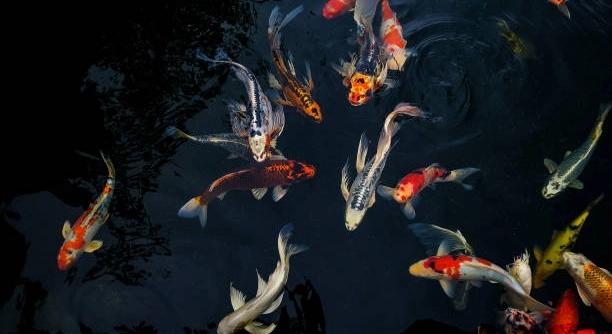
Koi fish are a popular addition to outdoor ponds and water gardens. Keeping them active during the afternoon can enhance their health and enjoyment. This article provides simple guidance to encourage koi activity when the sun is highest.
Maintaining koi activity in the afternoon involves providing a comfortable environment, consistent feeding schedules, and stimulating pond features. Adequate shade, aeration, and interactive elements support their natural behavior and promote movement during warmer hours.
Understanding how to keep koi engaged during the afternoon ensures their well-being and makes pond care more rewarding. The following tips will help you maintain an active and healthy koi environment.
Creating a Comfortable Environment
Koi become less active in the afternoon mainly due to heat and bright sunlight. To keep them moving, it is important to create a comfortable environment. Adding shade structures such as floating plants or pond covers helps reduce water temperature and direct sunlight exposure. Cooler water encourages koi to swim rather than rest at the bottom. Good water quality also plays a key role. Proper filtration and aeration maintain oxygen levels, which koi need to stay active. A pond with uneven depths provides spots where koi can escape the heat or find cooler water. Regular cleaning prevents buildup of harmful substances, keeping koi healthy and alert. By adjusting the pond setup with these features, koi are more likely to stay lively through the warmer afternoon hours.
In addition, providing hiding spots like rocks or plants allows koi to feel secure, reducing stress that can lead to inactivity.
Koi are sensitive to environmental changes. If the pond is too warm or lacks oxygen, koi tend to conserve energy and stay still. Shaded areas and good aeration directly impact their behavior. Simple changes in the pond’s design improve koi movement and overall health. For example, floating lilies not only add shade but also enrich the pond’s natural feel. Installing an aerator or waterfall increases oxygen, stimulating activity. These practical steps ensure koi remain engaged and active, even during the heat of the day.
Feeding to Encourage Movement
Feeding koi in the afternoon should be done thoughtfully to promote activity. Overfeeding can cause koi to become sluggish, so it is important to offer small, frequent meals. Koi are more responsive to feeding when the water temperature is moderate, usually in early afternoon. Offering food that requires movement, such as sinking pellets, encourages koi to swim and forage. Feeding near shaded areas can also motivate koi to move rather than stay hidden.
Regular feeding schedules help koi develop a routine and stay active, preventing lethargy.
Feeding koi properly involves more than just nutrition; it influences their behavior. Feeding them smaller portions multiple times a day keeps koi alert and moving. Sinking pellets require koi to swim downward, increasing their activity level. Timing feedings when water temperatures are not at peak heat ensures koi can digest food efficiently. Avoiding overfeeding prevents water quality issues that can reduce oxygen levels and koi energy. Offering food in different parts of the pond encourages exploration and exercise. These feeding habits help koi maintain a healthy metabolism and consistent activity throughout the afternoon.
Providing Stimulation in the Pond
Koi need stimulation to stay active during quiet afternoons. Adding features like water fountains or bubbles encourages movement. These elements create currents that koi enjoy swimming through, breaking up stagnant water areas.
Water features introduce gentle motion, which keeps koi engaged. Koi are naturally curious and respond well to changes in their environment. A fountain or waterfall adds oxygen and creates visual interest, motivating koi to explore. The sound and movement of water help reduce stress, making koi more willing to swim. Adding floating toys or decorations also provides targets for koi to investigate. This environmental enrichment supports natural behavior, improving koi health and activity levels.
Pond plants contribute to stimulation, offering shade and hiding spots. Plants also create subtle water flow changes that encourage koi to navigate different areas. Mixing varied elements in the pond keeps koi mentally and physically active. Over time, koi learn to interact with these features, increasing their daily exercise and overall vitality.
Monitoring Water Temperature
Water temperature significantly affects koi activity. Koi become sluggish when the temperature rises above 85°F (29°C). Keeping the pond cool during hot afternoons helps maintain movement.
Temperature control can be managed by adding shade or increasing water circulation. Using pond aerators or waterfalls cools the water and raises oxygen levels. Early morning water changes can reduce temperature spikes later in the day. Insulating the pond or planting trees around it provides natural cooling. Avoid placing the pond in direct sun for long periods. Monitoring temperature regularly allows timely action to prevent koi from becoming inactive due to heat stress.
Keeping water temperature stable is essential for koi health. Sudden temperature changes can cause stress and illness. Consistent temperature control prevents koi from slowing down during warm afternoons. Techniques like shading, aeration, and water replacement all contribute to maintaining ideal conditions. Cooler water helps koi digest food properly and stay alert. Maintaining a balanced temperature also supports beneficial bacteria, improving water quality. These combined measures ensure koi remain active and healthy in the afternoon heat.
Encouraging Social Interaction
Koi are social fish that become more active when they interact with each other. Keeping several koi together helps stimulate swimming and playful behavior.
Introducing new koi carefully can boost activity without causing stress. Observing their group dynamics ensures a healthy social environment that promotes movement and engagement.
Using Light Management
Adjusting light exposure in the pond affects koi activity. Providing periods of shade during the hottest part of the day encourages koi to move more. Light changes mimic natural conditions, helping koi maintain regular activity patterns.
Avoiding Overcrowding
Overcrowding reduces space for koi to swim freely, leading to less activity. Maintaining an appropriate koi population ensures each fish has enough room to move comfortably and explore the pond.
Maintaining Clean Water
Clean water supports koi health and energy. Regular water changes and proper filtration prevent toxins from building up, helping koi stay lively and active throughout the afternoon.
FAQ
How often should I feed koi to keep them active in the afternoon?
Feeding koi two to three times a day with small portions helps maintain their energy and encourages swimming. Overfeeding can lead to sluggishness and poor water quality. Afternoon feedings should be light, especially during hot weather, to avoid digestion issues.
What types of food promote koi activity?
Sinking pellets or floating pellets that require koi to swim and search encourage movement. High-quality foods with balanced nutrients support overall health, which translates to better activity levels. Avoid feeding large amounts of heavy or fatty foods in the afternoon.
Can adding plants really make a difference in koi activity?
Yes, plants provide shade and hiding spots that reduce stress and encourage exploration. Floating plants like lilies also cool the water surface, making koi more comfortable during warm afternoons. Plants improve the pond’s natural environment, which keeps koi curious and active.
Is it necessary to install water features like fountains or waterfalls?
Water features increase oxygen levels and create currents, which stimulate koi to swim. The sound and movement attract koi attention and reduce boredom. While not absolutely required, these features enhance pond conditions and promote consistent activity.
How important is water temperature control?
Water temperature directly impacts koi metabolism and movement. Temperatures above 85°F (29°C) cause koi to slow down. Using shade, aeration, and water changes helps maintain ideal temperatures, keeping koi alert and active during the afternoon.
What is the best way to monitor water quality?
Regular testing of ammonia, nitrite, nitrate, and pH levels is essential. Clean, balanced water prevents stress and disease, allowing koi to stay active. Proper filtration and partial water changes are key maintenance steps.
How many koi should I keep in my pond?
Space is important for koi activity. Generally, one koi per 250 gallons of water is recommended. Overcrowding causes stress and reduces movement. Adequate space lets koi swim freely and engage with their environment.
Do koi interact with their owners?
Koi can recognize and respond to their caretakers, especially during feeding times. This interaction encourages koi to be more active and attentive. Regular, gentle presence near the pond helps build this connection.
Can koi get bored if the pond environment is too simple?
Yes, a lack of stimulation can cause koi to become inactive. Adding decorations, plants, or changing feeding spots introduces variety, which keeps koi curious and active.
How do I introduce new koi without stressing the existing fish?
Quarantine new koi before adding them to the pond to prevent disease. Introduce them gradually and monitor interactions to avoid aggression. A calm introduction supports social behavior and keeps activity levels up.
Should I feed koi during very hot afternoons?
It is best to reduce feeding during peak heat to prevent digestive stress. Feeding in early morning or late afternoon when water is cooler supports better metabolism and activity.
What signs show koi are active and healthy?
Active koi swim steadily, explore their surroundings, and eagerly approach feeding areas. Bright coloration and clear eyes also indicate good health. Lethargy or hiding often signals stress or poor conditions.
How do water changes affect koi activity?
Regular partial water changes maintain oxygen and remove waste, which supports koi energy levels. Fresh water keeps the environment stable, encouraging koi to stay lively.
Can I use aerators to increase koi activity?
Aerators improve oxygen levels and create gentle currents. This environment promotes swimming and reduces stress, helping koi stay active, especially during warm afternoons.
How do lighting conditions affect koi?
Balanced light and shade create natural cues for koi activity. Too much direct sunlight may cause koi to seek shelter and rest. Controlled light exposure supports regular activity patterns.
Final Thoughts
Keeping koi active in the afternoon requires attention to several important factors. Providing a stimulating environment with water features and plants helps maintain their natural behavior. These additions encourage koi to swim and explore, preventing them from becoming inactive or bored. The gentle movement of water and the presence of shade make the pond a more comfortable space for koi during warmer hours.
Water temperature plays a critical role in koi activity. High temperatures often cause koi to slow down or rest near cooler areas. Managing the pond temperature through shading, aeration, and water circulation keeps the environment suitable for koi health. Stable, moderate temperatures support better metabolism and allow koi to stay alert throughout the day. It is also important to avoid overcrowding, as too many fish in a limited space can reduce swimming opportunities and cause stress.
Regular maintenance and proper feeding habits are essential for keeping koi lively. Clean water with balanced oxygen and low toxins supports koi energy levels. Feeding koi the right amount at appropriate times helps maintain their strength and encourages movement. Understanding these basic needs and creating a balanced pond environment will help keep koi active and healthy, especially during the quieter afternoon hours.

Hello,
If you enjoy the content that we create, please consider saying a "Thank You!" by leaving a tip.
Every little bit helps us continue crafting quality advice that supports the health, happiness, and well-being of pets around the world, for pets of all shapes, sizes, and species.
We really appreciate the kindness and support that you show us!