
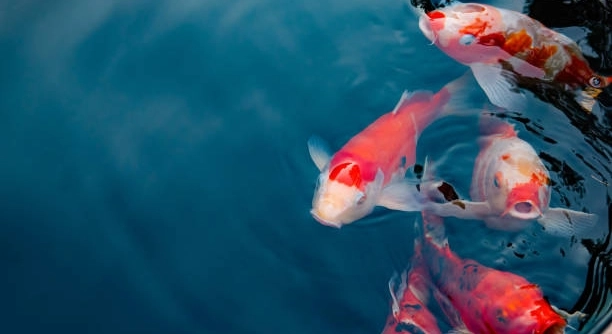
Koi fish are popular for their vibrant colors and peaceful nature. Many people choose to keep them indoors to enjoy their beauty year-round. Maintaining a healthy environment inside is essential for their well-being and longevity.
Providing proper filtration, maintaining stable water temperature, and ensuring balanced nutrition are critical to supporting koi fish health indoors. Regular water changes, adequate space, and monitoring water quality prevent stress and promote optimal growth.
Caring for koi indoors requires attention to detail and consistent care to help them thrive in a controlled environment.
Proper Filtration Systems
A good filtration system is vital for indoor koi fish care. It removes waste, uneaten food, and toxins from the water, keeping the environment clean and healthy. Without proper filtration, harmful substances can build up quickly, leading to poor water quality and stress for the fish. Mechanical filters trap solid debris, while biological filters break down ammonia and nitrites produced by fish waste. This balance prevents toxic buildup that can damage koi health. Selecting a filter sized appropriately for the tank volume and fish load is essential. Regular maintenance, such as cleaning filter media and checking pump performance, ensures the system works efficiently. Filtration helps keep water clear and oxygen levels stable, both necessary for koi to thrive indoors. Consistent monitoring and upkeep avoid sudden water quality changes, which can cause illness.
Proper filtration supports koi health and water clarity, reducing maintenance effort and preventing common indoor tank problems.
Maintaining a reliable filtration system requires attention but greatly improves water quality and koi vitality over time.
Stable Water Temperature
Maintaining a stable water temperature is important for koi health indoors. Koi are cold-water fish but can tolerate a range of temperatures if changes are gradual. Sudden shifts stress fish, weakening their immune systems and increasing disease risk. Ideal temperatures range between 65°F and 75°F. Below 60°F, koi become less active, while above 80°F, oxygen levels drop, which can harm them. Using heaters or chillers helps control the temperature consistently, especially in homes with fluctuating climates. Monitoring water temperature daily with an accurate thermometer prevents harmful extremes. Temperature stability supports koi metabolism, digestion, and immune function, contributing to overall well-being. Proper insulation around tanks can also minimize temperature swings. Keeping the environment stable indoors mimics natural seasonal conditions, reducing stress and supporting growth. Consistent water temperature is a key factor in long-term koi care indoors, promoting healthier and more vibrant fish.
Balanced Nutrition
Koi require a diet that provides all essential nutrients for growth, color, and health. Feeding a balanced mix of proteins, fats, and vitamins helps maintain their vitality. Overfeeding should be avoided to prevent water pollution and obesity.
Providing koi with high-quality pellets designed for their specific needs supports their immune system and vibrant colors. Supplementing with occasional treats like vegetables or live foods adds variety but should not replace staple feed. Feeding small amounts two to three times a day allows for proper digestion and prevents leftover food from decaying in the tank. Monitoring koi appetite and adjusting portions seasonally helps maintain their condition. During colder months, feeding should be reduced as koi metabolism slows. Proper nutrition is fundamental for koi longevity indoors and helps prevent common health issues related to diet imbalance.
Consistent feeding habits contribute to steady koi growth and a healthier indoor environment.
Adequate Space and Environment
Providing enough space is crucial for koi comfort and development. Crowded conditions lead to stress, poor water quality, and slower growth. Indoor tanks should offer at least 250 gallons for a small group of koi, with more space preferred for larger or more active fish. Larger tanks also dilute toxins better and stabilize water conditions. Tank design should include hiding spots and open swimming areas to mimic natural habitats. Plants and decorations can improve water quality and provide shelter but must be chosen carefully to avoid harming koi. Frequent cleaning and water changes are necessary to maintain a healthy environment. Proper space allows koi to swim freely, promoting physical activity and reducing stress. A well-maintained environment supports koi well-being and reduces disease risk indoors.
Regular Water Testing
Consistent water testing ensures that parameters remain within safe limits for koi health. Monitoring ammonia, nitrites, nitrates, and pH levels helps prevent toxic conditions.
Using reliable test kits and recording results regularly allows quick adjustments to maintain water quality. Early detection of imbalances protects fish from stress and illness.
Disease Prevention and Treatment
Keeping koi healthy indoors involves regular observation for signs of illness. Quarantining new fish before adding them to the main tank prevents disease introduction. Maintaining clean water, avoiding overcrowding, and providing balanced nutrition reduce vulnerability to infections. At the first sign of illness, isolate affected fish and consult treatment options promptly. Using appropriate medications and following instructions carefully is essential. Preventive measures, including proper filtration and temperature control, support the immune system. Early intervention limits disease spread and improves recovery chances, ensuring koi remain vibrant and active in their indoor environment.
Adequate Aeration
Oxygen is vital for koi survival. Proper aeration supports healthy respiration and prevents oxygen depletion, especially in densely stocked tanks or warmer water conditions.
How often should I change the water in my indoor koi tank?
Water changes are essential to maintain a healthy environment. Typically, changing 10-20% of the water weekly is recommended. This helps remove accumulated toxins and keeps water parameters stable. Larger or heavily stocked tanks may require more frequent changes. Always use dechlorinated water and match the temperature to avoid stressing the fish. Consistent partial water changes improve overall water quality without shocking koi. Full water changes are not advised unless necessary, as they can disrupt beneficial bacteria and stress the fish.
What is the ideal tank size for indoor koi?
The minimum tank size for indoor koi depends on the number and size of the fish. At least 250 gallons is recommended for a small group of koi. Larger tanks provide better water stability and swimming space. Koi can grow quite large, so planning for their adult size is important. Crowded tanks lead to stress, poor water quality, and increased disease risk. A spacious tank allows koi to swim freely and develop properly. Tank dimensions should also allow space for equipment like filters and heaters without overcrowding.
Can koi live indoors year-round?
Koi can live indoors year-round if their environment is properly maintained. Stable water temperature, clean water, and good filtration are critical. Indoor setups protect koi from outdoor temperature extremes and predators. However, indoor koi require more attention to water quality and tank maintenance. Providing adequate space and oxygen levels is also essential. Seasonal changes in diet and care routines must be considered even indoors. With the right conditions and care, koi can thrive indoors throughout the year.
What should I feed my indoor koi?
A balanced koi pellet is the foundation of their diet, providing necessary proteins, fats, and vitamins. High-quality commercial foods designed specifically for koi support their growth and color. Supplementing with fresh vegetables, such as peas or lettuce, adds variety and fiber. Live or frozen foods like bloodworms or brine shrimp can be offered occasionally as treats. Avoid overfeeding, as uneaten food can pollute the water. Feed small amounts two to three times daily, adjusting portions according to koi activity and season. During colder months, reduce feeding since koi metabolism slows down.
How do I prevent common koi diseases indoors?
Maintaining excellent water quality is the best defense against disease. Regular water testing, filtration upkeep, and partial water changes keep harmful substances low. Avoid overcrowding and quarantine new fish for at least two weeks before introducing them. Observe koi daily for any signs of illness, such as changes in behavior, spots, or damaged fins. Early detection and prompt treatment improve recovery chances. Use medications only when necessary, following dosage instructions carefully. Stable temperature and balanced nutrition also support a strong immune system, reducing disease risk.
What temperature is best for indoor koi tanks?
Koi thrive best between 65°F and 75°F. Temperatures outside this range can cause stress and health problems. Sudden temperature changes should be avoided as they weaken koi immunity. Use heaters or chillers to maintain consistent temperatures, especially in climate-controlled indoor spaces. Monitor temperature daily with a reliable thermometer. In colder months, avoid dropping below 60°F to prevent reduced activity and appetite. Proper temperature management supports metabolism, digestion, and immune function, helping koi remain active and healthy indoors.
How much aeration do koi need indoors?
Koi require sufficient oxygen to thrive, especially in indoor tanks where natural oxygen exchange is limited. Aeration devices like air pumps and air stones increase oxygen levels by promoting water movement and gas exchange. Proper aeration prevents low oxygen conditions, which can stress fish and cause health issues. The amount of aeration needed depends on tank size, fish density, and water temperature. Warmer water holds less oxygen, so aeration becomes even more important in heated indoor tanks. Maintaining steady oxygen levels supports koi respiration and overall vitality.
Can I keep koi with other fish indoors?
Koi can be kept with certain other fish species, but compatibility depends on size, temperament, and water requirements. Peaceful, similarly sized fish that thrive in similar water conditions are ideal companions. Avoid small or aggressive species that may be bullied or injured by koi. Mixing species increases tank bioload and complicates care, so monitoring water quality is even more critical. Quarantine all new fish to prevent disease transmission. When done carefully, a mixed indoor tank can offer a more dynamic and interesting environment.
How do I handle koi stress indoors?
Stress in koi often results from poor water quality, overcrowding, or sudden changes in environment. Signs include erratic swimming, loss of appetite, and hiding. Regular water testing and maintenance reduce common stress factors. Provide enough space and stable temperature to keep koi comfortable. Avoid loud noises or vibrations near the tank, which can disturb fish. Gentle handling is important during tank cleaning or fish transfers. Reducing stress improves immune response and lowers the risk of illness, making stress management a key part of indoor koi care.
What equipment is necessary for indoor koi care?
A reliable filtration system suited to tank size is essential to maintain water quality. Heaters or chillers regulate stable temperature. Aeration devices ensure proper oxygen levels. Water testing kits allow regular monitoring of ammonia, nitrites, nitrates, and pH. Thermometers help track temperature consistently. Additional equipment may include UV sterilizers to reduce pathogens and water conditioners to remove harmful chemicals. Having the right tools simplifies maintenance and helps create a stable environment for koi indoors. Investing in quality equipment supports koi health and reduces common problems.
Maintaining koi fish indoors requires consistent care and attention. Ensuring proper water quality, adequate space, balanced nutrition, and suitable temperature are fundamental steps to keep koi healthy and thriving. Each factor plays an important role in creating a stable environment that supports their growth and well-being. Indoor settings differ from outdoor ponds, so adjustments must be made to accommodate the limited space and controlled conditions. Regular maintenance, including water changes and equipment checks, helps prevent common problems. Taking these steps seriously contributes to a positive living space for koi and minimizes stress on the fish.
Successful indoor koi keeping involves understanding their specific needs and responding promptly to any changes. Monitoring water parameters like pH, ammonia, and nitrates is essential to prevent toxic buildup. Proper filtration and aeration maintain oxygen levels and remove waste efficiently. Koi require a diet formulated for their species, which supports their immune system and vibrant colors. Overfeeding can lead to poor water quality, so feeding in controlled amounts is necessary. Attention to detail in daily care routines promotes koi longevity and prevents health issues that can arise from neglect or poor conditions.
Patience and commitment are key when caring for koi indoors. These fish can adapt well if their environment is managed carefully. Providing space to swim, clean water, and the right nutrition supports their natural behavior and physical health. Observing koi regularly allows early detection of any illness or stress. With proper care, koi can live long, healthy lives indoors and offer enjoyment through their graceful movement and bright colors. Maintaining this environment requires ongoing effort but rewards with a thriving, beautiful indoor aquatic display.

Hello,
If you enjoy the content that we create, please consider saying a "Thank You!" by leaving a tip.
Every little bit helps us continue crafting quality advice that supports the health, happiness, and well-being of pets around the world, for pets of all shapes, sizes, and species.
We really appreciate the kindness and support that you show us!