
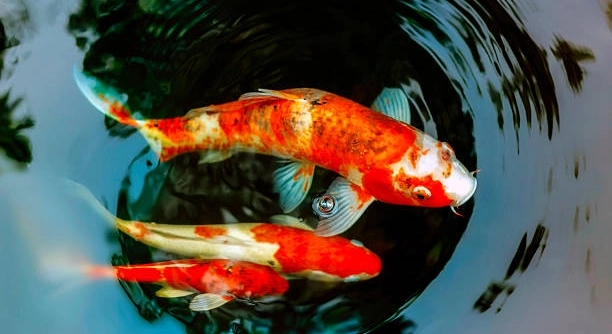
Koi fish are popular for their bright colors and graceful movements in ponds. Like all animals, they can experience stress from changes in their environment or health issues. Recognizing signs of stress is important for their care and well-being.
When koi are stressed, they exhibit behaviors such as reduced activity, loss of appetite, hiding, erratic swimming, color fading, increased gill movement, and surface gasping. These signs indicate physiological and environmental stressors impacting their health and require prompt attention.
Knowing how koi show stress helps pond owners provide better care. This article outlines seven common behaviors that signal when koi need help.
Reduced Activity and Lethargy
When koi become stressed, one of the first signs is a noticeable decrease in activity. Normally lively and curious, stressed koi tend to stay in one spot or move very slowly. This lethargy happens because stress affects their energy levels and metabolism. Stressors such as poor water quality, sudden temperature changes, or overcrowding can cause koi to conserve energy. They may rest near the bottom or hide behind plants and decorations. Watching koi that are usually active but suddenly sluggish can signal that something in their environment is off. It is essential to check water parameters like ammonia, nitrite, and pH, and ensure the pond conditions remain stable to prevent this behavior.
Lethargy in koi should never be ignored, as it often precedes illness. Prompt action helps reduce the risk of more serious health problems.
Stress-induced inactivity reduces koi’s ability to feed and maintain health. Prolonged lethargy weakens their immune system, making them vulnerable to infections and parasites. Maintaining clean, well-oxygenated water and minimizing disturbances can improve their activity levels. It is also important to provide adequate space and avoid sudden changes to their habitat. By monitoring their behavior and environment closely, pond owners can detect early signs of stress and address them quickly, ensuring koi remain healthy and active.
Loss of Appetite
Loss of appetite is a clear indication that koi are under stress. When stressed, koi often stop eating or show little interest in food. This behavior can be triggered by environmental changes, illness, or poor water quality. Loss of appetite weakens koi and can slow down their growth and recovery from stress. Feeding koi smaller, more frequent meals of high-quality food may help encourage eating. It is important to observe if this behavior persists, as prolonged refusal to eat can lead to more severe health problems.
Identifying and addressing the cause of appetite loss is crucial for koi health. Maintaining stable water conditions and reducing stressors helps restore normal feeding habits.
Hiding and Avoidance
Koi often hide when they feel stressed or threatened. This behavior helps them feel safer by avoiding perceived danger or uncomfortable conditions.
Hiding is common when water quality is poor or when koi experience sudden environmental changes. They may stay under rocks, plants, or pond edges for long periods. This avoidance reduces their exposure to stress but also limits their ability to feed and interact normally. Consistent hiding may indicate persistent stress factors that need correction.
Stress from overcrowding, aggressive tank mates, or fluctuating temperatures also causes koi to hide. Monitoring their environment carefully and providing ample hiding spots can ease stress. Improving water conditions and minimizing disturbances encourage koi to come out and resume normal activity.
Erratic Swimming
Erratic swimming includes sudden darting, spinning, or crashing against pond walls. It usually signals discomfort or distress caused by stressors such as poor water conditions or parasites.
Such behavior indicates that koi are reacting to irritants or confusion in their environment. Erratic swimming can lead to injuries or exhaustion if it continues unchecked. Regular testing and maintaining balanced water parameters are essential to prevent this issue.
Parasites and infections often cause koi to swim erratically. Treating the pond and isolating affected fish can help. Ensuring stable temperature and low stress levels also reduces the likelihood of this behavior. Consistent observation helps catch early signs before they worsen.
Color Fading
Koi lose their bright colors when stressed. This fading is a visible sign that their health is affected.
Stress reduces pigment production and can be caused by poor water quality, illness, or lack of proper nutrition. Monitoring conditions helps prevent this issue.
Increased Gill Movement
When koi are stressed, their gill movement speeds up. This rapid breathing is a response to low oxygen or toxins in the water.
It is important to check aeration and water quality regularly to ensure koi are comfortable and healthy.
Surface Gasping
Koi gasping at the surface is often a sign of oxygen deficiency or poor water quality. This behavior indicates stress that needs quick attention.
What causes stress in koi fish?
Stress in koi fish can result from various factors including poor water quality, sudden temperature changes, overcrowding, and aggressive tank mates. Environmental changes such as new decorations or moving the pond can also trigger stress. Additionally, diseases, parasites, and lack of proper nutrition weaken koi and increase stress levels. It is important to maintain stable conditions and monitor water parameters regularly to minimize these stressors.
How can I tell if my koi is stressed?
Signs of stress in koi include reduced activity, loss of appetite, hiding, erratic swimming, color fading, increased gill movement, and surface gasping. Observing these behaviors early allows for prompt intervention. Water testing, visual inspection, and paying attention to feeding habits can help detect stress before it worsens.
Is poor water quality the main reason for koi stress?
Poor water quality is one of the leading causes of stress in koi. High ammonia or nitrite levels, incorrect pH, low oxygen, and temperature fluctuations all negatively impact koi health. Regular water testing and maintenance, including filtration and aeration, are critical to keeping koi stress-free and healthy.
How does overcrowding affect koi?
Overcrowding increases competition for food and oxygen while raising waste levels. This creates a stressful environment that can cause aggressive behavior and weaken koi immune systems. Ensuring adequate pond size and proper stocking density is essential to reduce stress caused by overcrowding.
Can temperature changes cause stress in koi?
Yes, sudden or extreme temperature changes disrupt koi metabolism and can lead to stress. Koi prefer stable temperatures between 65°F and 75°F (18°C to 24°C). Rapid drops or increases can weaken them and increase susceptibility to illness. Gradual acclimation is necessary when adjusting their environment.
What should I do if my koi shows signs of stress?
First, test the water quality and correct any issues immediately. Check oxygen levels, temperature, and cleanliness. Reduce disturbances and avoid overcrowding. If illness or parasites are suspected, isolate the affected koi and seek appropriate treatment. Improving nutrition with high-quality food supports recovery.
Are there any preventive measures to reduce stress in koi?
Maintaining stable water conditions, providing adequate space, and feeding balanced diets help prevent stress. Avoid sudden changes and monitor koi behavior regularly. Proper filtration, aeration, and shelter in the pond also create a safe, comfortable environment that minimizes stress.
Can stress in koi lead to disease?
Stress compromises the immune system, making koi vulnerable to infections, parasites, and diseases. Early detection and treatment of stress reduce the risk of illness. Healthy living conditions and good nutrition are key to preventing disease triggered by stress.
How often should I check my koi pond to prevent stress?
Daily visual checks for behavior and weekly water quality testing are recommended. Frequent monitoring helps catch problems early before they cause significant stress or health issues. Regular maintenance routines keep the pond environment balanced and stable.
Is hiding always a bad sign in koi?
Hiding can be normal if koi are resting or avoiding bright light. However, prolonged hiding often indicates stress or illness. It is important to observe other signs like loss of appetite or lethargy to determine if hiding is a problem requiring attention.
How can I improve oxygen levels in my koi pond?
Adding aerators, waterfalls, or fountains increases oxygen circulation in the water. Keeping plants balanced helps as they produce oxygen during daylight. Avoid overcrowding and clean filters regularly to ensure good water flow and oxygen availability for koi.
Can stress affect koi lifespan?
Chronic stress shortens koi lifespan by weakening their immune system and increasing susceptibility to disease. Consistent care and stress management improve longevity and quality of life for koi.
What role does diet play in koi stress?
A balanced, nutritious diet strengthens koi’s immune system and helps them resist stress. Feeding high-quality food appropriate for their age and season supports overall health and recovery from stress. Avoid overfeeding, which can pollute the pond and add to stress.
Are there natural remedies for koi stress?
Certain natural remedies like adding aquarium salt can reduce stress by supporting skin and gill health. Herbal treatments may help with minor infections or parasites. However, it is crucial to identify the underlying cause of stress and address environmental factors first.
Can stress cause koi to change behavior suddenly?
Yes, stress often leads to sudden changes such as erratic swimming or hiding. These behaviors signal that koi are uncomfortable and need immediate attention to their environment or health.
How important is pond design in preventing koi stress?
Good pond design with proper depth, shelter, and filtration reduces stress by providing stable conditions and hiding spots. Proper layout encourages natural behavior and minimizes threats from predators or environmental extremes.
What are common signs of disease linked to stress in koi?
Common signs include sores, discoloration, clamped fins, swollen areas, and unusual swimming patterns. Stress lowers resistance, making koi more prone to these symptoms. Early diagnosis and treatment improve outcomes significantly.
Can water additives help reduce koi stress?
Water additives designed to detoxify ammonia or improve water clarity can reduce stress by maintaining a healthier environment. Use additives as directed and avoid overuse, which can disrupt pond balance.
Is quarantine necessary for new koi to prevent stress?
Quarantining new koi helps prevent introducing diseases and reduces stress by allowing gradual acclimation to pond conditions. A quarantine period of 2 to 4 weeks is recommended before adding new fish to the main pond.
How does lighting affect koi stress?
Excessive bright or flickering light can stress koi, causing hiding or erratic swimming. Providing shaded areas and natural light cycles helps maintain calm behavior and reduces stress.
Final thoughts on koi stress focus on the importance of careful observation and maintaining a stable environment. Koi fish, like all animals, respond to their surroundings, and changes in water quality, temperature, or crowding can quickly cause stress. Stress shows itself in different ways, from hiding and color fading to erratic swimming and gasping at the surface. Recognizing these signs early is essential for the health and well-being of koi. Regular monitoring of water parameters such as pH, ammonia, nitrites, and oxygen levels helps prevent conditions that lead to stress. Maintaining a clean pond with proper filtration and aeration creates a more comfortable space where koi can thrive without feeling threatened.
Another important aspect is providing koi with a suitable environment that meets their natural needs. This includes enough space for swimming, places to hide, and stable temperatures. Overcrowding is a common problem that leads to stress, so knowing the right number of koi for your pond size is critical. Feeding koi a balanced diet supports their immune system, helping them resist illness and recover from stressful situations more quickly. Sudden changes should be avoided, such as quickly altering water temperature or adding new fish without a proper quarantine period. Taking these simple steps can prevent many common causes of stress in koi.
Ultimately, stress in koi is manageable with regular care and attention. It requires a commitment to observing behavior and water quality, responding to changes quickly, and creating an environment that promotes health. While koi can be sensitive, they are also resilient when their needs are met consistently. By understanding what koi do when stressed and why they behave that way, it becomes easier to provide the conditions they need to stay healthy and active. Preventing stress helps koi live longer and more vibrant lives, making pond keeping a more rewarding experience.

Hello,
If you enjoy the content that we create, please consider saying a "Thank You!" by leaving a tip.
Every little bit helps us continue crafting quality advice that supports the health, happiness, and well-being of pets around the world, for pets of all shapes, sizes, and species.
We really appreciate the kindness and support that you show us!