
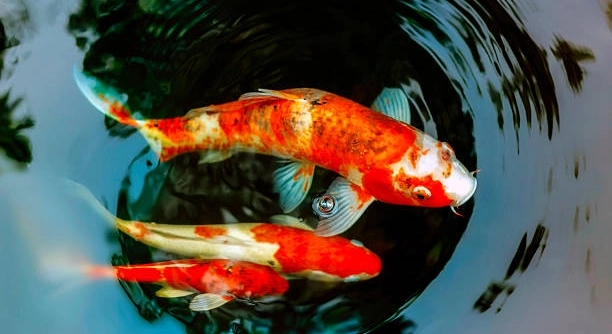
Koi fish are popular for their vibrant colors and graceful movements in ponds and water gardens. Observing their behavior can reveal important details about their health and environment. One common pattern is their tendency to avoid shallow water areas during certain times.
Koi fish avoid shallow water primarily because it exposes them to higher risks, such as temperature fluctuations, increased predation, and lower oxygen levels. These conditions can cause stress and make shallow zones unsuitable for their well-being and survival.
Understanding why koi prefer deeper water can help maintain a healthier pond environment. This knowledge supports better care and protection for these ornamental fish throughout the year.
Why Koi Avoid Shallow Water
Koi fish tend to stay away from shallow water because it can be uncomfortable and unsafe for them. Shallow areas heat up faster in the sun, causing temperature swings that stress the fish. These spots also have less oxygen, which koi need to breathe properly. Predators like birds find it easier to catch fish in shallow water, increasing the risk to koi. The water near the surface may have more debris or less shelter, making koi feel exposed. Because koi are sensitive to changes in their environment, they instinctively prefer deeper water where conditions remain more stable. This behavior helps them conserve energy and avoid unnecessary threats.
Shallow water is also prone to pollutants and algae buildup, further reducing its suitability for koi. These factors combine to make deeper areas a safer, more comfortable choice.
Koi rely on stable conditions to thrive. Understanding their avoidance of shallow water can guide pond owners in creating environments that meet these needs. Ensuring the pond has sufficient depth, clean water, and shelter improves koi health and longevity. A balanced ecosystem reduces stress and supports natural behaviors, making koi more vibrant and active.
Effects of Temperature on Koi Behavior
Temperature changes affect koi movement significantly. Sudden warming in shallow areas can cause discomfort and disorientation. Koi move to cooler, deeper water to regulate their body temperature.
Koi are cold-blooded animals, meaning their body temperature depends on the environment. Rapid shifts in shallow water force koi to adjust quickly, which is stressful and can weaken their immune systems. During hot days, shallow water may become too warm for koi to tolerate for long periods. Cooler, deeper water offers refuge from temperature extremes, helping koi maintain balance. This preference is essential to their survival, especially in warmer climates or during summer months when surface temperatures fluctuate widely.
Providing shaded areas and maintaining pond depth can help minimize temperature stress for koi. These steps keep koi comfortable and encourage natural swimming patterns that support overall health.
Predators and Shallow Water Risks
Shallow water makes koi vulnerable to predators like herons and raccoons. These areas offer less protection and easy access for hunters.
Predators take advantage of koi being near the surface in shallow spots. Without enough cover, koi become easy targets. Deeper water provides koi with safer hiding places and escape routes. The risk is especially high during dawn and dusk when predators are most active. This natural avoidance helps koi survive in environments where threats are present.
Pond owners can reduce predator risks by adding plants or structures that create hiding spaces in both shallow and deep areas. Cover protects koi and encourages them to swim freely without constant fear, improving their overall well-being.
Oxygen Levels in Shallow Areas
Oxygen is critical for koi health, but shallow water often has lower oxygen levels, especially in warm weather. This can cause koi to avoid these areas.
Oxygen levels drop in shallow water because warmer temperatures reduce oxygen solubility. Also, stagnant conditions or algae growth consume oxygen quickly. Koi need sufficient oxygen to maintain energy and immune function. Low oxygen causes stress and forces koi to seek deeper water with better oxygen availability. In shallow zones, oxygen fluctuates more, making it less reliable for koi survival.
Maintaining good water circulation and aeration helps increase oxygen throughout the pond, especially in shallow regions. Adding aquatic plants that produce oxygen during the day also supports a balanced environment. Ensuring steady oxygen supply reduces koi stress and promotes healthy growth.
Water Quality in Shallow Areas
Shallow water tends to accumulate more debris and pollutants. This buildup can negatively affect koi health and comfort.
Contaminants in shallow water increase quickly because of reduced circulation. Poor water quality stresses koi and may lead to illness.
Shelter and Safety Needs
Koi prefer deeper water because it offers more shelter from environmental disturbances and predators. Shallow water lacks sufficient hiding spots.
Pond Design Considerations
Designing a pond with varying depths encourages koi to choose safer areas. Gradual slopes and deeper sections help meet their needs and protect them from stress.
FAQ
Why do koi fish avoid shallow water during the hottest parts of the day?
Koi avoid shallow water during hot periods because it heats up quickly and loses oxygen fast. These conditions cause stress and can be harmful to their health. By moving to deeper, cooler water, koi maintain a stable body temperature and access better oxygen levels, which is vital for their survival.
Can koi survive in shallow water at night or during cooler weather?
Yes, koi may use shallow water during cooler times or at night when temperatures are more stable and oxygen levels improve. Shallow water can warm up slightly during these times, offering koi an opportunity to forage or rest safely. However, they generally prefer deeper areas for long-term comfort and protection.
How can pond owners encourage koi to explore shallow areas safely?
Adding plants and shaded spots in shallow areas can provide koi with shelter and reduce exposure to predators. Gentle water circulation and aeration also improve oxygen levels. These improvements make shallow water more attractive and safer, encouraging koi to swim freely throughout the pond.
Do koi behavior patterns change with the seasons regarding shallow water use?
Koi behavior varies with seasons. In warmer months, they avoid shallow water due to heat and low oxygen. In cooler seasons, they may use shallow zones more frequently as temperatures and oxygen levels become stable. Seasonal changes influence their swimming depth preferences for comfort and survival.
Is water quality worse in shallow areas compared to deeper sections?
Shallow water often accumulates more debris and pollutants because it has less circulation. This can lead to lower water quality, affecting koi health. Deeper water usually maintains better quality due to more stable conditions and better flow, making it more suitable for koi.
Can predators cause koi to avoid shallow water even if conditions are ideal?
Yes, predators like birds and raccoons target koi in shallow water because fish are easier to catch there. Even when water conditions are good, the threat of predation drives koi to stay in deeper water where they find better cover and escape routes.
How does oxygen level affect koi preference for water depth?
Oxygen levels are typically lower in shallow water, especially during warm weather, making these zones less appealing. Koi need sufficient oxygen to breathe and stay healthy. Deeper water generally holds more dissolved oxygen, attracting koi and supporting their well-being.
What pond design features help koi feel safe in shallow water?
Including plants, rocks, and underwater structures in shallow areas creates hiding spots that protect koi from predators. Providing gentle slopes rather than abrupt drops encourages gradual movement between shallow and deep zones. Proper aeration and filtration also improve water quality, making shallow areas more inviting.
Are koi more likely to spawn in shallow or deep water?
Koi typically spawn in shallow water where aquatic plants are abundant. These plants provide surfaces for eggs to attach and protect fry from predators. However, adult koi still prefer deeper water for general living because it offers greater safety and stable conditions.
How does temperature fluctuation in shallow water impact koi health?
Rapid temperature changes in shallow water stress koi by forcing them to constantly adjust their metabolism. This can weaken their immune systems and increase vulnerability to diseases. Stable temperatures in deeper water promote better health and reduce stress.
What signs indicate koi are stressed by shallow water conditions?
Signs of stress include reduced activity, gasping near the surface, and erratic swimming. Koi may also lose appetite or show changes in coloration. These symptoms suggest poor water quality, low oxygen, or excessive heat in shallow areas.
Can seasonal algae growth in shallow water harm koi?
Yes, algae blooms consume oxygen and release toxins that can harm koi. Shallow water is prone to algae growth due to sunlight exposure and nutrient buildup. Controlling algae through pond maintenance and planting helps protect koi health.
Is it safe to feed koi in shallow water zones?
Feeding koi near shallow water can attract them temporarily, but it may expose them to predators. It’s safer to feed koi in areas where they have quick access to deeper water for protection.
How often should pond owners check oxygen levels in shallow water?
Regular monitoring during warm months is important, as oxygen levels can fluctuate rapidly. Checking weekly or after weather changes helps ensure shallow zones remain safe and healthy for koi.
Do koi need access to shallow water for exercise?
Koi benefit from varied depths for exercise and natural behavior. Shallow water encourages foraging and exploration, which supports physical health. Providing safe shallow zones with adequate cover balances exercise needs and safety.
What is the best way to reduce temperature extremes in shallow water?
Providing shade with plants or structures reduces direct sunlight and heat buildup. Aeration and water circulation also help maintain cooler temperatures. These measures make shallow water less stressful for koi.
Can koi adapt to shallow water if the pond is shallow overall?
Koi can adapt to shallow ponds but may experience more stress due to temperature swings, low oxygen, and predator exposure. Pond design improvements like aeration and shelter become critical in shallow setups to support koi health.
How does sunlight exposure affect koi behavior in shallow water?
Direct sunlight heats shallow water quickly and can increase algae growth. Koi avoid these warm, low-oxygen areas and seek cooler, shaded zones. Managing sunlight exposure helps maintain balanced pond conditions.
What role do aquatic plants play in koi use of shallow water?
Aquatic plants improve oxygen levels, provide shade, and offer hiding places in shallow water. They create a safer environment that encourages koi to use these areas more comfortably and frequently.
Can poor water circulation in shallow water cause koi to leave these areas?
Yes, stagnant water reduces oxygen and increases pollutants, making shallow areas less hospitable. Koi move to better-oxygenated, cleaner parts of the pond where circulation is stronger.
Are young koi more likely to be found in shallow water?
Young koi often stay in shallower areas where they find food and protection among plants. As they grow, they gradually move to deeper water for safety and comfort. This natural behavior supports their development and survival.
Final Thoughts
Koi fish naturally avoid shallow water for several important reasons. The conditions in these areas often change quickly and can become uncomfortable or even harmful. Shallow water heats up faster under sunlight and usually holds less oxygen than deeper parts of the pond. These changes create an environment that is stressful for koi. By staying in deeper water, koi can maintain more stable body temperatures and access better oxygen levels, which supports their overall health.
Another key factor is safety. Shallow water provides less protection from predators. Birds and other animals can easily spot and catch koi when they are near the surface or in low-depth zones. Deeper water gives koi more places to hide, allowing them to feel secure. Pond design can also influence koi behavior by including plants, rocks, and shaded areas in shallow zones to offer shelter and improve water quality. These features make shallow water more appealing and safer for koi to explore.
Understanding why koi avoid shallow water helps pond owners create environments that meet their fish’s needs. Attention to water quality, oxygen levels, temperature control, and protection from predators improves koi well-being. Providing a pond with varied depths and features encourages natural behavior and supports koi health. Caring for koi means recognizing their preference for deeper water while offering safe, comfortable conditions throughout the pond. This knowledge can lead to a more balanced and enjoyable pond ecosystem for both the koi and their caretakers.

Hello,
If you enjoy the content that we create, please consider saying a "Thank You!" by leaving a tip.
Every little bit helps us continue crafting quality advice that supports the health, happiness, and well-being of pets around the world, for pets of all shapes, sizes, and species.
We really appreciate the kindness and support that you show us!