
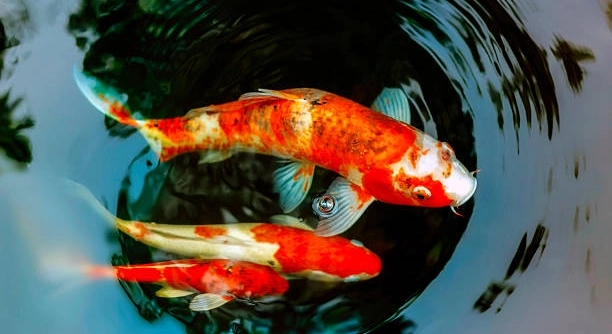
Koi fish are beautiful and popular in many ponds. Sometimes, these fish avoid the pond filter, which can be puzzling for owners. Understanding why this happens helps keep koi healthy and comfortable in their environment.
Koi fish may avoid the filter due to water flow strength, filter noise, poor water quality, lack of hiding spots, disease, temperature changes, or stress from overcrowding. Each factor impacts their behavior and well-being in distinct ways.
Knowing these causes can improve your pond setup and ensure your koi enjoy a healthier, more peaceful habitat. This article will explain the main reasons behind this behavior.
Strong Water Flow from the Filter
Koi fish often avoid the filter area when the water flow is too strong. These fish prefer calm water to swim in, and a powerful current can make them feel uncomfortable or stressed. If the filter produces a rapid or turbulent flow, koi may swim away to calmer parts of the pond. This is especially true for younger or smaller koi, which struggle more against strong currents. Adjusting the filter’s output or adding plants and decorations can help break the flow, creating quieter zones for the fish. Ensuring a gentle water movement helps koi feel safer and more at ease near the filter area. This simple change can make a big difference in their behavior.
Strong water currents can drive koi to avoid the filter because they prefer calm swimming conditions.
Reducing the filter’s flow or using flow deflectors can encourage koi to explore the filter zone more freely. A balanced water movement improves pond health and fish comfort simultaneously, promoting better water circulation without causing stress to the koi. Adding floating plants or submerged decorations near the filter outlet can reduce water speed, creating a welcoming environment. This setup allows koi to enjoy clean water while feeling safe and less pressured by strong currents.
Noise and Vibrations from the Filter
Filters sometimes produce noise or vibrations that koi find disturbing. These sounds can come from the pump, air bubbles, or water movement inside the filter system. Koi have sensitive hearing and can sense vibrations through the water, causing them to swim away. Constant noise near the filter can create stress, impacting their appetite and overall health. Minimizing filter noise by regular maintenance or using quieter equipment helps reduce this problem. It’s also beneficial to place the filter away from the pond’s main swimming areas. Quiet surroundings support koi’s natural behavior and keep them relaxed.
Poor Water Quality
Poor water quality near the filter can drive koi away. High levels of ammonia, nitrites, or nitrates are harmful and uncomfortable for the fish.
Maintaining good water quality is crucial for koi health. Filters help clean the water by removing waste, but if the filter isn’t working properly, harmful substances build up. This causes koi to avoid areas where the water feels unsafe or polluted. Testing water regularly and cleaning the filter ensures a healthy environment. Proper water balance encourages koi to swim freely throughout the pond, including near the filter.
In addition to chemical imbalances, poor water clarity or unpleasant smells near the filter can bother koi. Keeping the pond clean by removing debris and changing water as needed helps prevent these issues. A well-maintained pond promotes koi comfort and reduces their tendency to avoid the filter area.
Lack of Hiding Spots
Koi avoid the filter area if there are no places to hide nearby. They need shelter to feel secure and reduce stress.
Adding plants, rocks, or decorations near the filter creates hiding spots. These provide koi with safe spaces to rest and escape strong currents or noise. Without cover, koi may feel exposed and vulnerable near the filter. Hiding places mimic natural pond environments, helping koi feel more at ease.
Well-placed shelter near the filter also improves fish health by reducing stress. When koi feel safe, they are less likely to hide in other pond corners and more likely to explore the entire space, including near the filter system.
Disease or Illness
Koi that are sick often avoid the filter area. They may hide or stay still to protect themselves from stress.
Illness can make koi weak and less active. Avoiding the filter could be a sign they are not feeling well and need attention.
Temperature Changes
Sudden changes in water temperature near the filter can make koi uncomfortable. They prefer stable, moderate temperatures.
Temperature fluctuations cause koi to move to more comfortable parts of the pond, often away from the filter where water flow or equipment heat affects the temperature.
Overcrowding
Too many koi in one pond can cause stress and competition for space. Overcrowding leads fish to avoid certain areas, including the filter zone.
FAQ
Why do koi fish avoid the filter even when water quality seems good?
Koi might avoid the filter for reasons beyond water quality. Strong water currents or noise from the filter equipment can make them uncomfortable. Even if the water is clean, these physical disturbances can cause koi to stay away. Adding plants or decorations near the filter can create calmer zones, encouraging koi to swim closer.
Can adjusting the filter flow help koi feel more comfortable?
Yes, adjusting the filter’s water flow often helps. Koi prefer gentle currents, so lowering the filter output or using flow deflectors reduces strong water movement. This change makes the filter area less stressful, allowing koi to explore and stay near it without feeling forced to swim against fast water.
How often should I check my pond’s water quality?
Testing water quality at least once a week is a good practice. Monitoring levels of ammonia, nitrites, nitrates, and pH helps catch problems early. Poor water quality makes koi avoid the filter and can harm their health. Regular testing lets you keep water balanced and safe for your fish.
What signs of illness should I watch for in koi?
Look for changes in behavior like hiding more than usual or loss of appetite. Physical signs include spots, discoloration, frayed fins, or slow swimming. Sick koi often avoid active areas such as near the filter. Early detection and treatment are important to help koi recover quickly.
Can overcrowding affect koi behavior near the filter?
Yes, overcrowding increases stress and competition for space. When ponds have too many fish, koi tend to avoid certain areas, including the filter zone, to escape aggressive behavior or crowded conditions. Maintaining proper pond stocking levels ensures koi have enough room and reduces stress-related avoidance.
Does temperature affect koi behavior near the filter?
Temperature changes near the filter can influence koi. Warm or cold water caused by filter equipment or water movement may drive koi away. They prefer stable temperatures, so extreme shifts make them seek calmer, more comfortable pond areas. Keeping temperature balanced helps koi feel secure.
What can I do to reduce noise and vibrations from the filter?
Regular maintenance of your filter system reduces noise. Cleaning pumps, replacing worn parts, and securing loose equipment helps. Choosing quiet models or placing the filter further from the pond’s main swimming areas also lowers disturbances. Reducing noise lets koi swim nearby without stress.
Are hiding spots really necessary near the filter?
Yes, hiding spots are important for koi comfort. They provide shelter from strong currents, noise, and stress. Plants, rocks, or decorations near the filter create safe spaces koi can retreat to. This makes them more likely to stay near the filter while feeling protected.
How can I encourage koi to stay near the filter?
Create gentle water flow and add hiding spots close to the filter. Keep water clean and test it regularly. Reduce noise and vibrations by maintaining filter equipment. These steps make the filter area inviting, so koi feel safe and swim nearby comfortably.
Is it normal for koi to avoid the filter sometimes?
Yes, occasional avoidance is normal, especially if the filter is new or recently adjusted. Koi may need time to get used to changes. If avoidance continues, it’s important to check water quality, flow strength, noise levels, and overall pond conditions to address possible issues.
Koi fish are sensitive creatures that respond clearly to their environment. When they avoid the filter, it usually means something about the pond conditions is not quite right for them. Whether it is strong water flow, noise, poor water quality, or lack of shelter, koi show their discomfort by staying away from the filter area. Paying attention to these signs helps keep koi healthy and happy in the pond. Understanding their behavior allows owners to make small changes that improve the living space for these beautiful fish.
Maintaining a balanced pond environment is key to encouraging koi to swim freely and comfortably near the filter. Regular water testing, adjusting the flow rate of the filter, and reducing noise all help make the filter area more inviting. Adding hiding spots like plants or rocks also gives koi a sense of safety. These simple steps often lead to noticeable improvements in koi behavior. When the pond feels safe and well cared for, koi are more likely to explore the entire pond, including the area near the filter.
Finally, observing koi closely and acting on what they show can prevent bigger problems. Avoiding the filter might be an early sign of illness, stress, or overcrowding. Keeping good pond hygiene and proper fish care routines support koi’s health and well-being. By creating a calm and clean environment, owners can enjoy watching their koi thrive and stay active. These efforts contribute to a peaceful and balanced pond where koi fish feel at ease every day.

Hello,
If you enjoy the content that we create, please consider saying a "Thank You!" by leaving a tip.
Every little bit helps us continue crafting quality advice that supports the health, happiness, and well-being of pets around the world, for pets of all shapes, sizes, and species.
We really appreciate the kindness and support that you show us!