
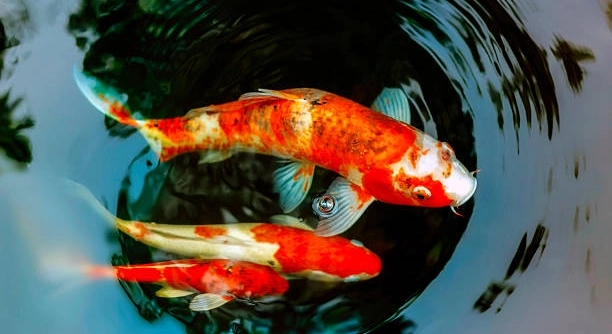
Are your pond’s waters looking off lately? Sometimes ponds develop issues that are easy to miss at first. Keeping an eye on visual clues can help maintain a healthy and balanced pond environment.
Pond imbalance shows itself through distinct visual signs such as cloudy water, excessive algae growth, fish stress, foul odors, surface scum, dying plants, and uneven water levels. Identifying these symptoms early allows for timely corrective measures to restore ecosystem stability.
Recognizing these signs helps you act before problems worsen, keeping your pond a healthy and enjoyable space for plants and wildlife.
Cloudy Water
Cloudy water is often the first visible sign that something is off in your pond. This haze can come from tiny particles suspended in the water, such as dirt, decaying plants, or algae blooms. When a pond is balanced, the water stays clear because natural filters and plants keep particles settled. However, changes in weather, too many fish, or overfeeding can cause particles to rise and stay mixed in. This not only affects the look of the pond but can also harm fish and plants by reducing oxygen levels and blocking sunlight. Fixing cloudy water usually involves cleaning debris, adding beneficial bacteria, or adjusting fish and plant numbers to maintain a stable ecosystem.
Cloudy water can also signal a bacterial bloom, which happens when bacteria multiply quickly due to excess nutrients. This can cause oxygen drops harmful to aquatic life.
Maintaining clear water is about balance. Regular checks on feeding habits, plant health, and water circulation can prevent particles from clouding the pond. Using natural filters like aquatic plants helps trap sediments. Aerators improve oxygen, supporting bacteria that break down waste. When addressed early, cloudy water problems can be managed without harsh chemicals, keeping your pond natural and healthy.
Excessive Algae Growth
Excessive algae growth is a common and visible problem that indicates nutrient imbalance. Algae thrive when there are too many nutrients, especially nitrogen and phosphorus, in the water. These come from fish waste, decaying plants, or runoff containing fertilizers. When algae grow unchecked, they form thick green layers on the surface or float in clumps, reducing oxygen and blocking sunlight needed by other plants. This can lead to a decline in water quality and fish health.
Too much algae means the pond’s natural filters are overwhelmed, signaling a need for better balance.
Managing algae involves reducing nutrient levels and increasing beneficial plants. Removing algae by hand or using a pond vacuum can help control growth temporarily. Adding shade plants or floating plants limits sunlight algae need. Ensuring proper filtration and avoiding overfeeding fish also prevent nutrient buildup. When algae are controlled, the pond stays clearer and healthier for all its inhabitants.
Fish Stress
Fish stress shows through unusual behavior like hiding, gasping at the surface, or loss of appetite. These signs often point to poor water quality or lack of oxygen in the pond.
Stress in fish is commonly caused by low oxygen levels, high ammonia, or sudden changes in temperature. When water quality drops, fish struggle to breathe and stay healthy. Stress weakens their immune systems, making them prone to disease. Overcrowding and improper feeding also contribute to stress. Monitoring water conditions regularly and maintaining proper aeration help reduce stress. Adding plants and keeping the pond clean supports a stable environment for fish.
Stress can quickly lead to illness or death if not addressed. Ensuring balanced water chemistry and avoiding sudden changes are crucial. Regular testing for ammonia, nitrites, and oxygen helps catch issues early. Healthy plants, good filtration, and proper fish care create a peaceful habitat where fish can thrive without stress.
Foul Odors
Foul odors usually come from decaying organic matter like leaves, uneaten food, or dead plants. These materials break down and release unpleasant smells, signaling pond imbalance.
Rotting debris increases harmful bacteria and reduces oxygen, harming fish and plants. Poor water circulation worsens odors by trapping waste in one area. Removing debris regularly and improving water flow reduce bad smells. Adding beneficial bacteria helps break down organic waste naturally. Keeping fish feeding moderate also prevents leftover food from rotting. Clear, odor-free water means a healthier pond ecosystem and more enjoyment from your outdoor space.
Surface Scum
Surface scum appears as a thin, oily layer or foam on top of the water. It often forms when organic matter breaks down or oils from plants and fish accumulate.
This layer blocks sunlight and reduces oxygen exchange, affecting pond life. Removing surface scum manually and improving water circulation can help clear it.
Dying Plants
Dying plants in a pond usually signal poor water quality or nutrient imbalance. Lack of sunlight, excess algae, or sudden temperature changes can cause plants to weaken and die.
Removing dead plants and improving water conditions help restore balance. Healthy plants support oxygen levels and provide shelter for fish and wildlife.
Uneven Water Levels
Uneven water levels occur when evaporation, leaks, or poor pond design affect water retention. Low water can stress plants and fish by reducing habitat space.
Regularly checking for leaks and topping off evaporation losses maintain stable water levels. Proper pond liners and covers also help keep water consistent.
FAQ
What causes cloudy water in a pond?
Cloudy water usually results from tiny particles suspended in the water. These can be dirt, algae, or decaying plants stirred up by wind, fish activity, or overfeeding. Excess nutrients also encourage bacteria and algae blooms, which make water look milky or green. Poor filtration and overcrowding worsen the issue.
How can I clear up cloudy pond water?
Start by reducing fish feeding and removing debris like dead leaves. Installing a good filtration system or adding beneficial bacteria can help break down organic waste. Aquatic plants act as natural filters, absorbing excess nutrients. Aerating the pond increases oxygen, helping beneficial microbes thrive and clear the water.
Why is my pond covered with algae?
Algae thrive when there are too many nutrients, especially nitrogen and phosphorus, in the water. These nutrients come from fish waste, decaying plants, and runoff from fertilizers nearby. Warm weather and excess sunlight also encourage algae growth.
How do I control algae growth naturally?
Reducing nutrient levels is key. Avoid overfeeding fish and remove decaying plant matter regularly. Adding floating plants provides shade, limiting algae’s sunlight. Using a pond vacuum or manually removing algae helps temporarily. Beneficial bacteria can also reduce nutrients and improve water quality.
What are signs that my fish are stressed?
Look for fish gasping at the surface, hiding, erratic swimming, or refusing to eat. Stress often shows as dull colors or clamped fins. These signs suggest poor water quality, low oxygen, or disease risk.
How can I reduce fish stress in my pond?
Test water regularly for ammonia, nitrites, and oxygen levels. Maintain good aeration and avoid overcrowding. Feed fish properly without overfeeding, and keep plants healthy to provide shelter. Remove sick fish quickly to prevent spreading disease.
Why does my pond smell bad sometimes?
Foul odors come from decaying organic material like dead plants, uneaten fish food, or fish waste. These materials break down and release gases that smell unpleasant. Poor water circulation and lack of oxygen make odors worse.
What can I do to stop bad smells in my pond?
Remove debris regularly and avoid overfeeding fish. Improving water circulation with pumps or aerators helps oxygenate water and reduce smell. Adding beneficial bacteria speeds up waste breakdown. Keeping plants healthy also helps maintain balance and reduce odors.
What causes surface scum on the pond?
Surface scum forms from oils and organic matter breaking down on the water’s surface. It can look like a thin film or foam and often appears after heavy rain or in ponds with lots of decaying leaves.
How do I get rid of surface scum?
Manually remove scum with a net or skimmer. Increasing water movement through pumps or fountains helps prevent buildup. Adding plants that shade the water can reduce organic matter and oils that cause scum.
Why are my pond plants dying?
Plants may die because of poor water quality, lack of sunlight, or competition from algae. Sudden temperature changes or fish nibbling can also harm them. Nutrient imbalances can weaken plants, making them more vulnerable to disease.
How can I save dying pond plants?
Remove dead or decaying plants to improve water quality. Ensure plants get enough sunlight and reduce algae competition by controlling nutrient levels. Avoid overcrowding fish, and protect plants from nibbling animals. Adding fresh plants and proper fertilization supports recovery.
What causes uneven water levels in a pond?
Evaporation, leaks, and poor design can cause water levels to drop unevenly. Hot weather increases evaporation, while holes in liners or pipes create leaks. Improper placement of inflow and outflow points affects water balance.
How do I maintain steady water levels?
Check for leaks regularly and repair liners or pipes as needed. Add water to replace evaporation, especially in hot months. Using pond covers or shade plants reduces evaporation. Proper pond design with good circulation helps maintain balance.
These answers cover the most common signs and problems of pond imbalance. Regular observation and maintenance keep your pond healthy and inviting for fish and plants.
Keeping a pond balanced requires attention to simple details that affect water, plants, and fish. Visual signs like cloudy water, algae growth, or dying plants are important clues that something needs fixing. By watching these signs closely, you can catch problems early before they cause serious harm to your pond’s ecosystem. A balanced pond supports healthy fish and vibrant plants, creating a peaceful and natural space.
Maintaining a pond involves regular care such as removing debris, controlling feeding, and checking water quality. Small changes in water clarity or fish behavior often show when the balance is off. Using natural methods like adding aquatic plants or beneficial bacteria can help keep the pond stable without harsh chemicals. It is also important to make sure your pond has good water flow and oxygen levels, which support all living things in it. Simple steps like these improve water health and reduce problems like algae or foul odors.
Overall, paying attention to the signs of pond imbalance helps you act quickly and keep your pond thriving. Even small issues can grow if left unchecked, but with proper care, your pond can stay clear, healthy, and enjoyable year-round. A well-maintained pond benefits both wildlife and anyone who spends time near it, offering a calm and natural environment. Taking time to understand and manage your pond’s needs makes a big difference in its long-term health.

Hello,
If you enjoy the content that we create, please consider saying a "Thank You!" by leaving a tip.
Every little bit helps us continue crafting quality advice that supports the health, happiness, and well-being of pets around the world, for pets of all shapes, sizes, and species.
We really appreciate the kindness and support that you show us!