
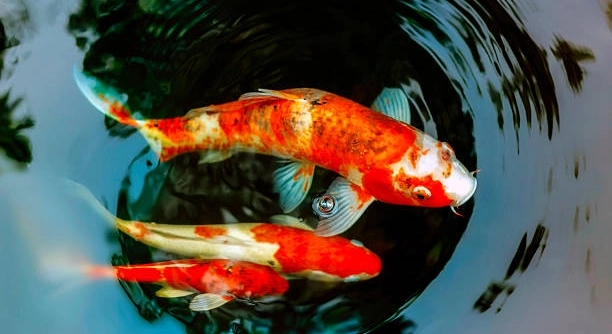
Koi fish are beautiful and often lively additions to any pond. Their jumping behavior can be surprising, especially when it happens repeatedly. Understanding why they jump helps keep them healthy and happy.
Repeated jumping in koi fish is typically caused by environmental stressors, poor water quality, parasites, lack of oxygen, sudden changes in temperature, overcrowding, or boredom. These factors disrupt their comfort, prompting them to leap out of the water.
Knowing the reasons behind this behavior can improve your pond care and help maintain a safe environment for your koi fish.
Environmental Stress and Poor Water Quality
Koi fish are very sensitive to their surroundings. If the water quality is poor, they can become stressed quickly. Dirty water with high levels of ammonia, nitrites, or nitrates irritates their skin and gills. This discomfort often causes them to jump repeatedly to try to escape the harmful conditions. Pond water that is not filtered or cleaned regularly can build up waste and toxins. Even sudden changes in pH or hardness levels can make koi uneasy. Temperature shifts that are too fast also add to their stress. When these factors combine, koi will jump more as a way to respond to their environment. Keeping the water clean and stable is key to reducing this behavior. Simple maintenance like regular water tests, partial water changes, and proper filtration can make a big difference in their health and happiness.
Jumping is often an early sign that water quality needs attention. Acting quickly can prevent more serious health issues.
Maintaining good water quality involves monitoring chemical levels daily and removing debris regularly. A balanced filtration system that matches your pond size helps keep the water clear and safe. Aeration is important too, as koi need plenty of oxygen. By providing stable, clean water, you reduce the chance of stress-induced jumping and support your fish’s overall well-being.
Parasites and Illness
Parasites can irritate koi fish and cause them to jump frequently. They latch onto the skin or gills, making the fish uncomfortable. This leads koi to leap out of the water in an attempt to remove the pests or relieve itching. Some common parasites include flukes, anchor worms, and ich. If left untreated, these parasites can cause severe damage and even death. Early detection and treatment are important to prevent ongoing discomfort and jumping. Signs of illness can also include lethargy, clamped fins, or loss of appetite. Routine health checks and quarantine of new fish help protect your koi population.
Parasites stress koi and affect their normal behavior, making prompt treatment necessary.
Treating parasites usually involves medicated baths or adding treatments directly to the pond. It’s important to follow instructions carefully to avoid harming beneficial bacteria or other aquatic life. Regular observation of your koi helps catch infections early. Quarantining new fish before introducing them to the pond reduces the risk of spreading disease. Keeping your pond clean and stable supports koi immunity and helps prevent parasite outbreaks.
Lack of Oxygen
Koi fish need enough oxygen in the water to breathe easily. Low oxygen levels make them uncomfortable, causing repeated jumping as they try to reach the surface for air. Poor aeration or warm water often reduces oxygen availability.
Warm water holds less oxygen, so during hot weather, koi may jump more. Stagnant water without proper movement also lowers oxygen levels. Adding aerators, waterfalls, or fountains helps increase oxygen. Ensuring plants don’t overcrowd the pond surface is also important, as dense plant growth can limit oxygen exchange. Regularly checking oxygen levels keeps your koi comfortable and less likely to jump.
Oxygen is vital for koi health. Without enough, their energy drops, and stress rises, leading to frequent jumping. Monitoring and improving oxygen conditions can prevent this behavior.
Adding devices that circulate water can improve oxygen flow. Aeration systems also help maintain good oxygen even when temperatures rise. Balancing plants and water features creates a healthier environment. Keeping the pond well-oxygenated reduces stress and supports koi wellbeing long-term.
Sudden Temperature Changes
Koi are sensitive to rapid shifts in temperature. Sudden drops or spikes can shock their system and make them jump repeatedly. This behavior shows their discomfort and attempt to adjust.
Temperature swings may happen due to weather changes, poor pond placement, or lack of shade. Unstable temperatures stress koi and weaken their immune system, making them prone to illness. Using pond heaters in winter or shade covers in summer helps maintain steady temperatures. Gradual changes allow koi to adapt without stress.
Monitoring pond temperature regularly helps catch problems early. Avoid placing ponds where direct sunlight or cold winds hit suddenly. Keeping temperatures stable improves koi comfort and reduces jumping behavior.
Overcrowding in the Pond
Too many koi in one pond can cause stress and make them jump often. Overcrowding reduces space, increases waste, and lowers oxygen levels. Each koi needs enough room to swim comfortably without competition.
Providing adequate space helps reduce aggression and stress. A crowded pond is unhealthy and causes frequent jumping.
Boredom and Lack of Stimulation
Koi are intelligent fish that need mental and physical stimulation. Without enough activities or objects in their environment, they may jump repeatedly out of boredom. Adding decorations, plants, or feeding puzzles encourages natural behavior.
Engaging koi with varied environments keeps them active and reduces unwanted jumping. A lively pond promotes their well-being.
Sudden Loud Noises
Koi can be startled by loud noises like thunder, lawnmowers, or sudden banging near the pond. These sounds frighten them, causing jumping as an escape response.
Minimizing loud disturbances around the pond helps koi feel safe and lowers stress-related jumping.
FAQ
Why do koi fish jump out of the water suddenly?
Koi often jump suddenly because they feel stressed or threatened. This can happen due to poor water quality, sudden noises, or low oxygen levels. Jumping is a natural reaction to discomfort or danger. It’s their way to try to escape from something bothering them in the pond.
How can I stop my koi from jumping?
The best way to stop koi from jumping is by improving their environment. Make sure the water is clean and well-oxygenated. Avoid overcrowding and keep temperature changes slow and steady. Adding plants or decorations can help reduce boredom. Also, minimize loud noises or sudden disturbances near the pond.
Is it dangerous if koi keep jumping?
Yes, frequent jumping can be dangerous. Koi may injure themselves if they land outside the pond. They can also become stressed, which weakens their immune system. Repeated jumping is a sign that something is wrong with their environment or health and needs attention.
Can poor water quality really cause jumping?
Absolutely. When water contains high ammonia or nitrite levels, koi feel irritated. Dirty water can cause skin and gill problems. This discomfort often makes koi jump repeatedly to try to escape the bad conditions. Keeping water clean is essential to prevent this behavior.
How do parasites make koi jump?
Parasites like flukes or anchor worms irritate the koi’s skin and gills. This irritation causes itching or pain, prompting the fish to jump to try to remove the parasites. If you see your koi jumping often, it’s important to check for parasites and treat them quickly.
Does temperature affect koi jumping?
Yes, sudden temperature changes stress koi and can lead to jumping. Koi prefer stable water temperatures. If the water heats up or cools down too quickly, they become uncomfortable. Gradual temperature changes and proper pond placement can reduce this problem.
Can boredom really cause koi to jump?
Koi are intelligent and active fish. If their environment lacks stimulation, they might jump out of boredom. Adding plants, hiding spots, or feeding toys can keep them entertained and reduce jumping caused by lack of activity.
How much space do koi need to prevent jumping?
Each koi needs plenty of room to swim freely. Overcrowding stresses fish by increasing competition and reducing oxygen. Ideally, provide at least 250 gallons of water per adult koi. More space means less stress and less jumping.
What role does oxygen play in koi jumping?
Oxygen is vital for koi health. Low oxygen makes breathing difficult, causing fish to jump to reach more oxygen at the surface. Aeration devices like fountains or air pumps help maintain good oxygen levels and prevent jumping caused by suffocation.
Are loud noises really a problem for koi?
Yes, koi are sensitive to sudden loud sounds. Noises like thunder, fireworks, or machinery can scare them. This fright causes them to jump quickly as an escape response. Minimizing noise near the pond helps koi feel safe and reduces jumping episodes.
Can jumping koi survive outside the pond?
Koi can survive briefly outside water but only for a short time. Their skin and gills dry out quickly, which can be fatal. Frequent jumping increases the risk of injury or death if they land outside the pond, so preventing jumping is important for their safety.
How often should I test my pond water?
Testing water weekly is a good practice. Check ammonia, nitrite, nitrate, pH, and oxygen levels. Regular testing helps catch problems early and keeps water quality stable. Stable water reduces stress and keeps koi from jumping.
What are signs that my koi have parasites?
Look for scratching, flashing (rubbing against objects), clamped fins, or visible spots and worms on their bodies. Parasite infections often cause koi to jump repeatedly due to irritation. Prompt treatment is necessary to prevent serious health issues.
Can plants help reduce koi jumping?
Yes, plants improve water quality by absorbing nitrates and provide hiding spots, reducing stress and boredom. Plants also help shade the pond, keeping temperatures stable. A well-planted pond creates a calming environment that discourages jumping.
What is the best way to introduce new koi without causing jumping?
Quarantine new koi for at least two weeks to avoid introducing parasites or diseases. Introduce them slowly to the main pond by gradually mixing pond water with their quarantine tank. This reduces stress and sudden changes that can trigger jumping.
Repeated jumping in koi fish is usually a sign that something in their environment is not quite right. It can be caused by many factors like poor water quality, low oxygen, parasites, temperature changes, overcrowding, boredom, or loud noises. Each of these issues makes koi uncomfortable or stressed, leading them to jump as a natural reaction. Paying close attention to your pond’s condition and your koi’s behavior helps you catch these problems early. By keeping the water clean and well-oxygenated, providing enough space, and making sure the temperature is stable, you can reduce jumping and help your fish feel safe and comfortable.
Taking care of koi requires regular maintenance and observation. Testing water regularly and watching for signs of illness or parasites keeps your fish healthy. If koi do jump, it’s important to act quickly to find the cause and fix it. Adding decorations, plants, or feeding puzzles can prevent boredom, which is often overlooked but important for their mental well-being. Reducing loud noises and sudden changes around the pond also lowers stress. Small changes in care can make a big difference in how your koi behave and thrive.
Overall, understanding why koi jump helps you provide a better home for them. It shows that they need your attention and care to stay healthy. Keeping a balanced pond environment is the best way to avoid stress and repeated jumping. When koi are comfortable, they swim calmly and enjoy their home, making your pond a peaceful and beautiful place to watch. Simple steps like good water management, proper space, and gentle handling support their long-term health and happiness.

Hello,
If you enjoy the content that we create, please consider saying a "Thank You!" by leaving a tip.
Every little bit helps us continue crafting quality advice that supports the health, happiness, and well-being of pets around the world, for pets of all shapes, sizes, and species.
We really appreciate the kindness and support that you show us!