
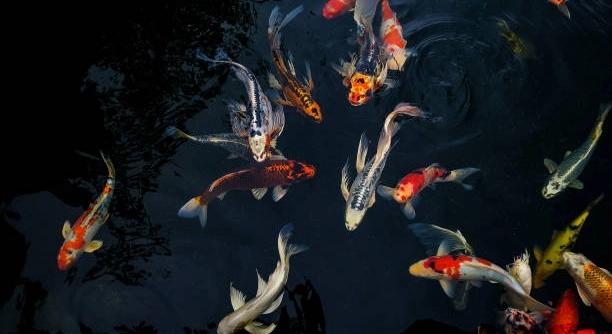
Koi fish are popular in many ponds because of their beauty and calm nature. Watching their behavior at night can reveal interesting things about how they live. Understanding these habits helps keep koi healthy and happy.
Koi fish typically slow down and rest during the night, reducing their activity to conserve energy. Their movements become minimal, and they often stay near the pond bottom or close to shelter. This behavior is a natural response to darkness and cooler temperatures.
Learning about koi’s nighttime behavior can improve pond care and fish health. These insights are helpful for anyone who enjoys keeping koi as pets.
Common Nighttime Behaviors of Koi Fish
At night, koi fish usually become much quieter compared to their daytime activity. They tend to swim slower or stop moving almost entirely as they rest. Most koi will find a safe spot near the pond bottom or under plants where they feel protected. This helps them avoid predators and harsh weather conditions. Sometimes, koi gather in small groups during the night, which adds a sense of security. Their breathing also slows down, and they rely less on searching for food until morning comes. Watching koi settle down at night can be calming, showing how they adapt naturally to changes in light and temperature. While they rest, their bodies repair and prepare for the next day of swimming and feeding.
Koi fish resting at night is a normal and healthy behavior that reflects their natural instincts.
Knowing what to expect from koi at night makes caring for them easier.
How Environmental Factors Affect Koi at Night
Light and temperature changes have a big effect on how koi behave when it gets dark. Cooler temperatures often slow down their metabolism, so they need less energy and move less. If the pond is too bright at night because of artificial lights, koi might stay more active or stressed. On the other hand, a quiet and dark environment helps koi settle down and rest properly. Water quality also plays an important role; clean and well-oxygenated water supports healthy nighttime behavior. Poor water conditions can cause koi to act restless or swim near the surface. Keeping a pond environment close to natural conditions at night supports the koi’s well-being and encourages healthy sleep patterns. Many pond owners find that reducing night lighting and maintaining good water care leads to happier koi that stay calm through the night.
How Koi Fish Communicate at Night
Koi use subtle body movements and changes in position to communicate during nighttime. Since it’s dark, they rely more on sensing vibrations in the water than on sight.
At night, koi may nudge each other gently or swim close to signal safety or group cohesion. These quiet signals help maintain their social bonds even when they are less active. Their movements are slower, but communication remains important to avoid stress or confusion within the group. Koi also respond to external vibrations, like water movement or sounds, by changing position or becoming alert. This form of communication keeps them connected and aware of their surroundings despite low visibility.
Koi’s nighttime communication is less obvious but just as vital as daytime behaviors. It supports their safety and social needs while resting.
Nighttime Feeding Habits of Koi Fish
Koi generally do not eat much at night due to lower activity and slower metabolism. Their feeding usually stops as darkness falls.
When koi feed at night, it’s often because they are disturbed or the water is too warm, making their metabolism remain active. Some koi might nibble on algae or leftover food from the day, but they don’t actively hunt or search for food in the dark. Overfeeding at night can upset their digestion and pond water quality. It’s best to provide food during daylight hours when koi are naturally more active. Understanding their limited nighttime feeding helps avoid problems like poor water conditions or unhealthy fish behavior. Proper feeding schedules contribute to balanced koi health and a clean pond environment.
Signs of Stress in Koi at Night
Stress in koi at night often shows as unusual swimming or hiding more than usual. They may stay near the surface or gasp for air.
Another sign is sudden darting or erratic movement. These behaviors can indicate poor water quality or predators nearby.
How to Create a Comfortable Night Environment for Koi
Keeping the pond quiet and dim at night helps koi feel safe and relaxed. Avoid bright lights and loud noises that can disturb their rest. Adding plants or rocks for shelter provides koi with hiding spots where they can feel protected. Proper aeration ensures good oxygen levels, which koi need for calm breathing during sleep. Maintaining clean water with regular filtration keeps the environment healthy and prevents stress. These small changes make a big difference in how peacefully koi behave at night and support their long-term well-being.
Nighttime Safety Tips for Koi
Use a pond net or cover to protect koi from predators during the night.
FAQ
Why do koi fish become less active at night?
Koi fish slow down at night because their metabolism decreases in response to lower light and cooler temperatures. This natural rest period helps them save energy and recover from daytime activity. Since food is scarce and predators are more active in the dark, resting reduces risk and conserves resources.
Can koi fish see well in the dark?
Koi have limited vision at night because they rely mostly on light to see clearly. However, they can sense vibrations and changes in water pressure, which helps them navigate and detect danger. Their other senses become more important when visibility is low.
Is it normal for koi to stay at the bottom of the pond at night?
Yes, it is normal. Staying near the pond bottom or in sheltered areas provides koi with protection from predators and cooler, stable water temperatures. It also allows them to rest safely during their low-activity period.
Why do koi sometimes group together at night?
Koi group together for safety. Being in a group helps reduce the chance of an individual being targeted by predators. This social behavior also offers warmth and comfort in the cooler night environment.
What should I do if my koi swim erratically at night?
Erratic swimming can signal stress, poor water quality, or the presence of predators. Check your pond’s water conditions—like oxygen levels, pH, and temperature—and ensure there are no threats nearby. Improving water quality and adding hiding places can help calm your fish.
Do koi need food at night?
Koi do not usually need food at night because their digestion slows down with lower activity. Feeding them after dark can cause uneaten food to rot, lowering water quality. It’s best to feed koi only during daylight hours when they are more active.
Can bright lights at night harm koi?
Yes, bright artificial lighting can disturb koi’s natural rest cycles, causing stress and increased activity when they should be resting. Reducing or removing nighttime lighting helps koi maintain healthy behaviors.
How can I help my koi feel safe at night?
Provide natural shelters like plants, rocks, or pond structures. Keep the environment quiet and dark with good water quality. Adding a pond cover or net can protect koi from nighttime predators and reduce stress.
Why do koi sometimes gulp air at the surface at night?
Gulping air can indicate low oxygen levels in the water. Cooler water holds more oxygen, but poor aeration or overcrowding can reduce oxygen availability. Ensuring proper aeration and avoiding overfeeding keeps oxygen levels balanced.
What are common nighttime predators of koi?
Raccoons, herons, and cats are common predators that hunt koi at night. Using pond covers or netting can protect fish from these threats during their resting period.
How long do koi typically rest at night?
Koi usually rest for the entire duration of darkness, often between 8 to 12 hours depending on the season and local light conditions. This rest time supports their health and daily activity cycle.
Can koi get sick from disturbed sleep at night?
Yes, consistent disturbance can weaken koi’s immune system, making them more vulnerable to illness. Creating a calm and stable nighttime environment helps keep koi healthy.
Are koi more active during certain moon phases?
Some koi owners notice changes in activity during full moons, possibly due to increased natural light at night. However, this effect is usually mild and varies by pond location and conditions.
Should I turn off pond filters or aerators at night?
No, filters and aerators should stay on 24/7. They maintain water quality and oxygen levels, which are critical for koi’s nighttime health and comfort.
How can I tell if my koi are comfortable at night?
Comfortable koi rest quietly, stay grouped or near shelter, and show slow, calm breathing. If they appear restless, swim erratically, or gasp at the surface, it could signal discomfort or poor water conditions.
What is the best way to monitor koi behavior at night?
Using a low-light camera or observing quietly with minimal lighting helps monitor koi without disturbing them. Regular checks on water quality and physical health are also important.
These answers aim to make caring for koi at night easier and help maintain a peaceful pond environment.
Koi fish behavior at night shows how these creatures adapt to changes in their environment. At night, koi naturally slow down, rest, and reduce their activity to save energy. This quiet time is important for their health because it helps them recover from the day’s movement and feeding. They often stay near the bottom of the pond or find shelter among plants and rocks. This resting behavior is normal and helps koi feel safe from potential predators. By understanding how koi behave at night, pond owners can provide better care and create an environment that supports the fish’s natural rhythms.
The environment around the pond plays a big role in how koi act at night. Bright lights, loud noises, and poor water quality can disturb their rest and cause stress. It is important to keep the pond calm and dark during nighttime hours to encourage peaceful behavior. Providing hiding places and maintaining good water quality with proper filtration and aeration are key steps. When koi feel secure and comfortable, they can rest properly and maintain good health. Paying attention to these details makes a positive difference in koi wellbeing and helps prevent problems like erratic swimming or excessive surface breathing.
Nighttime is a critical period for koi fish, just like it is for many animals. Observing koi behavior after dark gives useful clues about their health and the pond’s condition. Signs such as slowed movement, grouping, or resting near shelter show that the fish are relaxed. On the other hand, unusual behaviors like frantic swimming or gasping for air may mean something is wrong. Taking time to learn about koi at night will help you better care for them. A well-maintained, quiet, and safe pond creates an environment where koi can thrive day and night.

Hello,
If you enjoy the content that we create, please consider saying a "Thank You!" by leaving a tip.
Every little bit helps us continue crafting quality advice that supports the health, happiness, and well-being of pets around the world, for pets of all shapes, sizes, and species.
We really appreciate the kindness and support that you show us!