
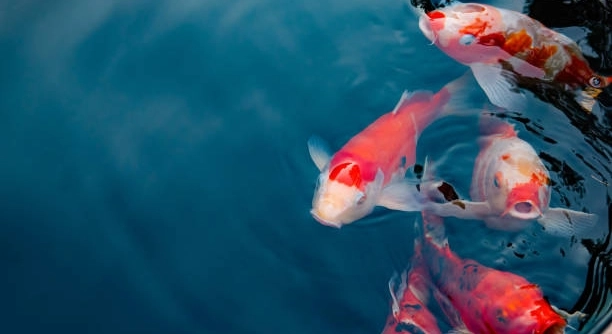
Koi fish are known for their calm and graceful movements in ponds. They often seek quiet spots to rest and feel safe. Understanding where they like to hide can help keep them healthy and comfortable.
Koi fish prefer hiding places that offer shelter and protection, such as dense aquatic plants, submerged logs, shaded corners, rock crevices, and deeper areas of the pond. These spots provide safety from predators and reduce stress, promoting their well-being.
Knowing these peaceful hiding spots can improve how you care for your koi. It also helps create a more balanced and natural environment in your pond.
Dense Aquatic Plants
Koi fish often hide in dense aquatic plants because these areas offer excellent cover from potential threats. Plants like water lilies, hornwort, and anacharis create thick, shaded regions where koi can feel secure. The plants also help maintain water quality by absorbing excess nutrients and providing oxygen. Koi are naturally cautious and use these plants to escape strong light or sudden movements outside the pond. These green patches mimic natural habitats where koi would seek shelter from predators or harsh weather. Besides protection, the plants give koi a quiet spot to rest and avoid stress. It’s important to choose hardy, non-toxic plants that can survive in your pond’s conditions. Maintaining these plants regularly ensures they don’t overgrow and block too much sunlight, which can harm the pond ecosystem. When koi feel safe in these leafy areas, they tend to be healthier and more active when out in the open.
Dense aquatic plants are a key part of a koi pond’s ecosystem, supporting fish safety and pond balance.
Proper plant selection and maintenance enhance koi comfort and pond health, creating a peaceful environment that encourages natural behavior and reduces stress.
Submerged Logs and Rock Crevices
Koi fish use submerged logs and rock crevices as quiet hiding spots because these structures provide solid shelter and protection from predators.
Logs and rocks create shaded, sturdy spaces koi can retreat to when they feel threatened or want to rest. These natural hiding places break up the open water, giving koi areas to feel concealed. The rough surfaces also support beneficial bacteria growth that helps keep water clean. Logs slowly release tannins, which can slightly lower pond pH, mimicking natural water conditions that koi prefer. Rock crevices, depending on their size, allow koi to wedge themselves securely without feeling exposed. These spots are especially useful during hot weather, offering cooler, shaded refuge. Over time, algae and small organisms grow on these structures, providing extra natural food for koi. Regularly checking and cleaning these items ensures they remain safe and do not trap debris or cause water quality issues.
Adding natural features like logs and rocks not only beautifies the pond but also improves koi well-being by offering varied and protective hiding places. Proper placement is essential to prevent injury or overcrowding.
Shaded Corners and Deeper Areas
Shaded corners of a pond are preferred by koi for rest and hiding during bright, sunny days. These spots are cooler and reduce stress by limiting exposure to direct sunlight.
Deeper areas of the pond offer safety and stable water temperatures, which koi find comforting.
Shade is crucial for koi because excessive sunlight can cause overheating and increase algae growth, which affects water quality. Shaded corners, created naturally or with pond structures, offer koi relief and a sense of security. Deeper water zones maintain cooler temperatures, especially in summer, helping koi avoid heat stress. These areas also reduce light penetration, allowing koi to stay hidden from overhead predators like birds. Deeper zones require good oxygen levels, so proper aeration or water movement is necessary to keep koi healthy. Careful pond design balances shallow and deep areas to give koi options depending on their needs. Both shaded corners and deep spots contribute to a calm environment where koi feel safe and thrive. Creating these areas can improve the overall balance and beauty of your pond.
Overhanging Plants
Overhanging plants provide koi with shade and cover at the water’s surface. These plants soften light and create safe, cool spots for koi to hide.
Plants like willows, reeds, and grasses that grow along pond edges hang over the water, reducing direct sunlight and creating shadows. This helps koi avoid overheating and feeling exposed. The leaves also catch falling debris before it sinks, helping keep the pond cleaner. Overhanging plants create a natural look and improve the habitat by offering koi a quiet refuge near the surface where they can feel safe yet easily move around.
Koi often swim beneath these plants to rest and avoid predators like birds. These shaded zones are important for koi health, as they reduce stress and provide comfort during hot or bright days. Maintaining these plants involves trimming to prevent too much debris from falling into the pond and balancing plant coverage with open water for swimming space.
Artificial Shelters
Artificial shelters give koi reliable hiding places when natural cover is limited or pond design is minimal. These shelters are often made from durable materials like PVC, ceramic, or plastic.
They can take many forms, including tunnels, caves, or simple boxes placed in strategic pond spots. These shelters mimic natural crevices and logs, providing koi with a safe retreat from predators and bright light. Artificial shelters are useful for ponds lacking dense plants or natural structures. They can be easily cleaned and moved as needed, allowing for flexible pond management.
Using artificial shelters alongside natural elements helps create a balanced environment. Koi feel secure when they have multiple hiding options. These shelters also reduce territorial aggression by giving fish separate spaces to avoid each other. When choosing shelters, ensure they have smooth edges and are large enough for koi to enter comfortably. Placing them in shaded or deeper areas enhances their effectiveness and encourages koi to use them regularly.
Floating Plants
Floating plants create shade and cover on the pond’s surface, helping koi stay cool and hidden.
Plants like duckweed, water lettuce, and water hyacinth reduce sunlight and provide a quiet refuge for koi beneath their leaves.
Pond Decorations
Pond decorations such as statues, ceramic pots, or large stones offer koi additional places to hide and explore. These structures break up open water areas and create safe spots for koi to rest.
Decorations should be stable and free of sharp edges to avoid injuring koi. They also add visual interest to the pond while improving koi comfort by giving them varied shelter options. Proper placement encourages koi to use these spots regularly.
Underwater Shelters
Underwater shelters offer koi secure spaces beneath the water surface, away from predators and bright light. These areas provide calm and safety for resting koi.
What are the best plants to provide hiding spots for koi fish?
The best plants for koi hiding spots are those that grow densely and offer good cover both above and below the water surface. Examples include water lilies, which provide broad leaves that shade the pond, and hornwort or anacharis, which grow thick underwater and give koi places to swim through and hide. Floating plants like duckweed and water lettuce also help by creating shade and reducing light penetration. It’s important to choose plants that suit your pond’s climate and water conditions, and avoid invasive species that could harm the ecosystem. Keeping a mix of submerged, floating, and marginal plants ensures koi have varied shelter options.
How do submerged logs benefit koi fish?
Submerged logs create natural hiding spaces and add structure to the pond environment. Koi feel safer near these sturdy objects because logs break the open water, reducing exposure to predators. Logs also provide surfaces for beneficial bacteria to grow, helping keep the water clean. Over time, algae and small organisms develop on logs, offering natural food sources. Logs release tannins that can slightly lower the water’s pH, mimicking natural conditions koi enjoy. Regular inspection is necessary to prevent logs from trapping debris or causing water quality problems. Overall, submerged logs support koi health and comfort by improving habitat complexity.
Can artificial shelters replace natural hiding places?
Artificial shelters can be effective when natural hiding spots are limited or the pond design is minimal. These shelters, made from materials like PVC or ceramic, mimic natural crevices and caves that koi use for protection. They provide secure retreats from predators and bright light. Unlike plants, artificial shelters are easier to clean and reposition, allowing flexible management. However, they should not fully replace natural elements, as plants and natural structures also improve water quality and offer food sources. Using artificial shelters alongside natural plants and features creates a balanced environment that better supports koi well-being.
Why do koi need shaded areas in their pond?
Shaded areas protect koi from direct sunlight, which can cause overheating and stress. Excessive light can also increase algae growth, which negatively impacts water quality. Shade helps keep water temperatures stable and cooler, which koi prefer. Shaded corners created by overhanging plants, pond structures, or floating plants give koi calm, safe places to rest. These spots reduce their exposure to predators like birds and provide a sense of security. Maintaining a mix of shaded and open areas ensures koi can regulate their comfort by moving between different zones depending on their needs.
How often should I clean or maintain koi hiding places?
Maintenance depends on the type of hiding place. Plants should be trimmed regularly to prevent overgrowth that blocks too much light or clogs the pond with debris. Floating plants need occasional thinning to avoid overcrowding. Submerged logs and rock crevices should be checked for trapped debris or buildup that could reduce water flow or harbor harmful bacteria. Artificial shelters benefit from periodic cleaning to remove algae or sludge and ensure they remain safe and accessible. Overall, keeping hiding spots clean and well-maintained helps preserve water quality and koi health.
Do hiding places help reduce koi stress and aggression?
Yes, hiding places give koi spots to retreat when feeling threatened or overwhelmed, which lowers stress. When koi have enough shelter, they feel safer and show more natural behavior. Hiding spots also reduce aggression by giving fish separate areas to escape from dominant individuals. This helps prevent fights and injuries, especially in crowded ponds. Providing multiple types of shelters and spreading them around the pond encourages koi to spread out and reduces territorial disputes. A calm koi population is healthier and easier to care for.
Are there risks to having too many hiding places in a koi pond?
While hiding places are important, too many can reduce swimming space and limit sunlight needed for healthy plants. Overcrowded ponds can trap debris and make cleaning more difficult. Excessive cover may reduce oxygen circulation, harming water quality. It’s important to balance hiding spots with open areas, ensuring koi have room to swim freely and receive enough light. Proper pond design and regular maintenance help avoid these problems while still providing safe shelters for koi.
Can koi use hiding spots during winter?
Yes, koi use hiding places during winter to avoid cold drafts and sudden temperature changes. Deeper pond areas and sheltered corners provide more stable temperatures. Plants may die back, but logs, rocks, and artificial shelters remain useful. Koi tend to be less active but still seek safety and comfort in these spots. Maintaining hiding places that offer protection year-round supports koi health through seasonal changes.
Koi fish naturally look for quiet and safe places to hide in their ponds. These hiding spots help them feel secure and reduce stress. Without good shelter, koi can become nervous and may not stay healthy. Quiet places like dense plants, submerged logs, shaded areas, and artificial shelters offer koi protection from predators and harsh weather. By providing these hiding spots, koi owners can help their fish live happier and longer lives. These shelters also create a more natural and balanced pond environment, which benefits both the fish and the overall ecosystem.
It is important to have a variety of hiding places in the pond. Different types of shelters meet different needs at different times. For example, koi may prefer dense aquatic plants to rest in on warm sunny days but seek deeper water or submerged logs when they want to stay cool or avoid bright light. Floating plants and overhanging vegetation create shade and soften sunlight, which koi appreciate. Artificial shelters can add extra protection when natural hiding spots are limited. Having many options allows koi to choose the best place for themselves based on how they feel or the conditions around them. This variety supports their well-being and natural behavior.
Regular care and maintenance of these hiding spots are also important. Plants need to be trimmed to keep the pond balanced and prevent overgrowth. Logs, rocks, and artificial shelters should be checked to ensure they remain safe and do not trap debris or cause water problems. Too many hiding places can sometimes reduce swimming space or block sunlight, so a good balance is necessary. With proper attention, koi will have safe places to hide, rest, and feel calm. This helps them stay healthy and enjoy a comfortable life in the pond you have created for them.

Hello,
If you enjoy the content that we create, please consider saying a "Thank You!" by leaving a tip.
Every little bit helps us continue crafting quality advice that supports the health, happiness, and well-being of pets around the world, for pets of all shapes, sizes, and species.
We really appreciate the kindness and support that you show us!