
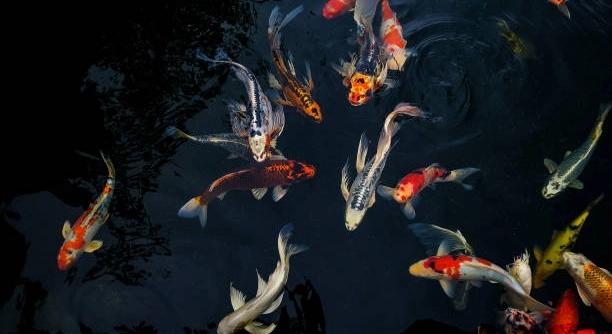
Koi fish are popular pets known for their beauty and calm presence in garden ponds. Feeding them correctly is important to keep them healthy and active. Understanding their feeding needs helps create a better environment for these colorful fish.
Koi feeding routines involve offering the right amount of food at regular intervals to prevent overfeeding and water pollution. Feeding depends on water temperature and koi size, requiring adjustments to promote optimal digestion and growth.
Learning about feeding schedules and diet quality will support your koi’s wellbeing and maintain a clean pond environment.
Understanding Koi Feeding Frequency
Koi fish do best when fed multiple times a day, especially during warm weather. In temperatures above 60°F (15°C), feeding two to four times daily supports their active metabolism. When water cools below this point, their digestion slows, so fewer feedings are needed. Overfeeding can lead to leftover food, polluting the pond and stressing your fish. A good rule is to offer only what koi can eat within five minutes. Young koi may need more frequent feeding because they grow faster and require extra nutrients. In contrast, adult koi can thrive with smaller portions given less often. Adjusting feeding frequency according to the season helps keep koi healthy. Being consistent with feeding times can also reduce koi stress, making them more responsive and active in the pond.
Feeding frequency varies with temperature, age, and koi activity. Adjust your schedule accordingly to maintain a healthy pond environment.
Regular monitoring and adapting your koi feeding routine is key to promoting strong growth and preventing water issues. Keeping track of how much and how often koi eat helps you find the right balance. Pond water temperature should be checked regularly, as it greatly affects koi digestion and appetite. Feeding too much when the water is cold can cause food to sit in their stomachs, leading to illness. On the other hand, insufficient feeding in warmer months can stunt growth and weaken their immune systems. Observing your koi’s behavior during feeding also gives clues about their health. If koi eagerly eat all food, your routine is probably working well. If they ignore food or appear sluggish, it might be time to reduce or adjust feeding. Maintaining this balance creates a stable pond ecosystem and happier fish.
Choosing the Right Food for Your Koi
High-quality koi food is essential for proper nutrition and color enhancement. Pellets designed specifically for koi contain the right mix of proteins, fats, and vitamins. Avoid generic fish food because it may not meet koi nutritional needs and can pollute the water more quickly. Foods with added color enhancers, such as spirulina or carotenoids, help maintain vibrant scales. It’s also important to pick food suitable for the season. In warmer months, koi need more protein to support growth, while in cooler months, low-protein, wheat germ-based food aids digestion. Variety is good—mix pellets with occasional treats like vegetables or live foods to keep koi interested and healthy. Avoid overfeeding treats, as this can cause digestive problems.
Choosing appropriate food boosts your koi’s health and color while protecting pond quality.
Balanced nutrition supports koi’s immune system and growth, while proper food choice helps maintain clear water. Poor diet leads to weakened fish and algae growth from excess nutrients. Carefully selecting koi food based on ingredient quality and seasonal needs promotes strong, colorful fish that thrive year-round. Incorporating vegetables like peas or lettuce provides fiber, aiding digestion and preventing constipation. Live foods such as bloodworms can be offered occasionally to mimic natural feeding habits. Keeping a consistent feeding routine with suitable food types also reduces waste and water contamination. This balance makes pond maintenance easier and helps koi live longer, healthier lives.
Adjusting Feeding Based on Water Temperature
Water temperature directly affects koi metabolism. When temperatures drop below 50°F (10°C), koi digestion slows significantly, so feeding should be reduced or stopped. At higher temperatures, koi are more active and need more food to maintain energy and growth.
Feeding koi in cold water can cause undigested food to remain in their stomachs, leading to health issues like swim bladder problems. Between 50°F and 60°F (10-15°C), feed smaller amounts once daily or every other day. Above 60°F (15°C), increase feeding frequency and quantity to support their activity. Always observe how koi respond, as sudden temperature changes can affect appetite. Adjusting feeding to temperature ensures koi stay healthy without polluting the pond. Monitoring water temperature regularly helps maintain an effective feeding routine that matches their metabolic needs.
Cold weather slows koi digestion, so feeding less or stopping prevents digestive problems. Proper adjustment keeps the pond cleaner and koi healthier.
Managing Overfeeding and Its Effects
Overfeeding is a common issue that can harm koi and pond quality. Uneaten food breaks down, increasing ammonia and nitrate levels, which harm fish and encourage algae growth. Limiting feeding to amounts koi eat quickly avoids these problems.
Careful feeding prevents water quality decline and health risks like obesity and digestive troubles in koi. Feeding only as much as koi consume within five minutes helps reduce waste. If you notice leftover food, cut back immediately. Overfeeding can also cause oxygen depletion, stressing fish and aquatic plants. Keeping a clean pond means balancing food input with koi appetite and filtration capacity. This practice promotes a healthier environment and reduces maintenance efforts. Adjust feeding based on fish behavior and water conditions for best results. Preventing overfeeding protects koi and pond life alike.
Controlling food quantity improves water quality and koi health. Watching feeding closely helps avoid common problems.
Signs Your Koi Are Well-Fed
Healthy koi have bright colors and swim actively. They eagerly come to the surface during feeding and finish their food quickly. Clear eyes and smooth scales also indicate good nutrition.
If koi ignore food or seem sluggish, it may mean they are overfed, stressed, or sick. Adjust feeding amounts based on their behavior to keep them in top shape.
Seasonal Feeding Changes
Koi feeding routines must change with the seasons. In spring and summer, higher protein foods support growth. During fall, reduce feeding as koi prepare for winter. In winter, stop feeding if water is below 50°F (10°C) to prevent digestion issues.
Avoiding Feeding Mistakes
Feeding too much or the wrong food can cause health problems and dirty water. Stick to recommended amounts and use quality koi food for best results.
How often should I feed my koi fish?
Feeding frequency depends mainly on water temperature. When water is warm (above 60°F or 15°C), feed your koi two to four times a day in small amounts they can finish within five minutes. In cooler temperatures (between 50°F and 60°F), feeding once daily or every other day is enough. Below 50°F, it’s best to stop feeding altogether since koi digestion slows down significantly. Regularly observe your fish and adjust feeding based on their activity and appetite.
What type of food is best for koi?
High-quality commercial koi pellets are best because they contain the right balance of protein, fats, and vitamins. During warmer months, choose pellets with higher protein to support growth. In cooler months, switch to wheat germ-based foods that are easier to digest. You can supplement their diet with occasional treats like peas, lettuce, or live foods such as bloodworms. Avoid generic fish food or bread, as these can pollute your pond and harm your koi.
Can I overfeed my koi fish?
Yes, overfeeding is one of the most common mistakes koi owners make. Excess food that koi don’t eat sinks to the bottom, decomposes, and releases harmful chemicals like ammonia. This damages water quality and can lead to algae blooms. Overfeeding can also cause koi obesity and digestive problems. Always feed small amounts that your fish finish quickly. If you notice leftover food after feeding, reduce the amount next time.
How does water temperature affect koi feeding?
Water temperature affects koi metabolism and digestion. At warmer temperatures, koi are more active and need more food. Below 50°F (10°C), their metabolism slows and they may stop eating altogether. Feeding during cold periods can cause undigested food to remain in their stomachs, leading to health issues. Adjust feeding frequency and quantity to match temperature changes, ensuring koi get enough nutrition without risking their health or water quality.
What are the signs of a well-fed koi?
Well-fed koi are active, swim near the surface during feeding, and eagerly eat all the food given. Their colors appear bright and vibrant, their eyes clear, and their scales smooth and healthy. If koi avoid food or act sluggish, it could indicate overfeeding, stress, or illness. Monitoring behavior after feeding helps you know if you’re feeding the right amount.
Should I feed koi in winter?
Feeding koi in winter depends on water temperature. When water drops below 50°F (10°C), koi’s digestion slows, and it’s best to stop feeding. At these temperatures, koi go into a state of semi-hibernation and don’t require much nutrition. Feeding in cold water risks undigested food remaining in their stomachs, which can cause illness. Once temperatures rise above 50°F, start feeding small amounts and gradually increase as the water warms.
Can koi eat vegetables or live foods?
Yes, koi can enjoy vegetables like peas, lettuce, or zucchini as treats. These provide fiber and help digestion. Live foods like bloodworms or brine shrimp are good occasional supplements that mimic natural feeding habits and provide extra protein. However, treats should be given in moderation and not replace their main pellet diet to avoid water quality issues.
How do I prevent water pollution from feeding?
Feed only the amount your koi can consume in about five minutes to prevent leftover food from decomposing in the pond. Use high-quality, slow-sinking pellets to reduce waste. Regular pond maintenance, including filtration and water changes, also helps control nutrient buildup. Observing koi behavior during feeding and adjusting portions accordingly reduces the chance of water pollution and keeps fish healthy.
What if my koi stop eating suddenly?
A sudden loss of appetite can signal stress, illness, or unsuitable water conditions. Check water temperature, quality, and test for ammonia or nitrite spikes. Also inspect for signs of parasites or disease. Feeding routines may need adjustment if water is too cold or too warm. Consult a veterinarian if koi remain uninterested in food for several days.
Is it necessary to feed koi every day?
Feeding daily depends on water temperature and koi size. In warm weather, daily or multiple feedings support growth and energy. In cooler weather, feeding less often is recommended since koi’s metabolism slows. Young koi may need daily feeding, while adults can handle fewer meals. The key is matching feeding frequency to environmental conditions and koi health.
Feeding koi fish properly is important for their health and the cleanliness of your pond. By understanding their needs, you can help your koi grow strong and live longer. Feeding the right amount of food, at the right times, keeps the fish active and happy. It also prevents problems like poor water quality and illnesses that come from overfeeding. Taking time to learn about how temperature affects their appetite and digestion will make your care routine easier and more effective.
Adjusting feeding routines based on seasons and water temperature is one of the best ways to keep koi healthy. During warm months, they need more food to support growth, while in cooler months, less food is necessary because their metabolism slows down. Feeding too much or at the wrong times can cause leftover food to pollute the pond and harm your fish. Using high-quality koi food helps provide balanced nutrition and keeps your pond cleaner. Adding occasional treats like vegetables or live foods can improve their diet, but moderation is key.
Paying attention to your koi’s behavior is also important. Active fish that quickly eat their food and have bright colors are usually well-fed and healthy. If koi show little interest in food or swim sluggishly, it could be a sign that you need to adjust their feeding routine or check water conditions. Regularly monitoring your pond’s temperature and water quality will help you feed your koi correctly. Overall, a thoughtful feeding routine benefits both your koi and the pond environment, making your care simpler and more rewarding.

Hello,
If you enjoy the content that we create, please consider saying a "Thank You!" by leaving a tip.
Every little bit helps us continue crafting quality advice that supports the health, happiness, and well-being of pets around the world, for pets of all shapes, sizes, and species.
We really appreciate the kindness and support that you show us!