
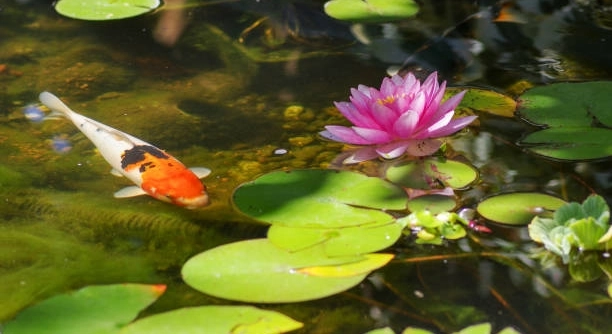
Bright light can affect koi fish in many ways, from their behavior to their health. Understanding these effects helps koi keepers create a better environment for their fish. This article explores the main impacts bright light has on koi.
Bright light influences koi fish by altering their activity levels, stress response, coloration, and feeding habits. Excessive light can cause stress and damage, while moderate exposure supports healthy behavior and vibrant colors. Managing light carefully benefits koi well-being and growth.
Knowing how light affects koi is important for maintaining a healthy pond. This guide will help you recognize the signs and adjust lighting for your fish’s comfort and vitality.
Impact on Koi Behavior
Bright light can change how koi behave in their pond. When exposed to strong light, koi often become more active during the day. They swim around more and may be seen near the surface. However, too much light can make them nervous or stressed. This stress causes them to hide more or stay still at the bottom. Sometimes, bright light also affects their feeding habits. Koi may eat less if the light is too intense or uneven. Proper lighting helps maintain their normal behavior, keeping them calm and comfortable in their environment. Adjusting the light exposure according to the time of day supports their natural rhythms and helps avoid sudden changes in activity levels. It’s important to find a balance that encourages healthy movement without causing discomfort.
Light plays a key role in regulating koi’s daily behavior. Too much or too little can disrupt their normal routines.
Watching how your koi react to changes in lighting helps you create a better space. Light affects their energy, feeding, and social habits. Ensuring the light is not too harsh or glaring allows them to behave naturally. Adding shaded areas in the pond or adjusting light timing can help reduce stress. In turn, koi feel safer and show more vibrant, healthy behavior. Maintaining this balance makes a big difference for their well-being.
Effects on Koi Coloration
Bright light has a strong influence on koi coloration. When koi get enough light, their colors tend to become richer and more vivid. Light encourages the production of pigments in their skin, which enhances reds, whites, and blacks. However, too much exposure can cause fading or sunburn on their scales. Direct, intense sunlight over long periods damages delicate skin cells, leading to pale or dull patches. Moderate, indirect light is best for keeping colors bright without risking harm. Many koi keepers use floating plants or shaded sections to protect fish from harsh rays while still providing enough light to support color development. Proper lighting encourages koi to display their natural beauty while avoiding damage.
Bright light helps koi show their true colors but must be carefully managed to prevent fading or injury.
Finding the right light balance for color enhancement involves observing your fish and pond conditions. If you notice dull or faded colors, it might be time to adjust the light levels or add more shade. Some koi colors are more sensitive to light than others, so knowing your fish’s needs can improve their appearance. Consistent lighting schedules and gentle exposure to natural or artificial light can bring out the best hues. Protecting koi from extreme light supports healthy, colorful fish that brighten any pond.
Stress and Bright Light
Bright light can cause stress in koi fish, especially if it is too intense or constant. Stress weakens their immune system, making them more vulnerable to illness.
Stress from bright light occurs because koi feel exposed and unsafe. Constant strong light offers no shelter or dark spots to rest. This leads to increased cortisol levels, the stress hormone, which can affect their health negatively. Over time, stressed koi may lose appetite, swim erratically, or develop diseases. Creating shaded areas and adjusting light duration helps reduce this stress. Proper light management improves koi’s overall comfort and resilience.
Providing places where koi can hide from bright light is important. Stress can be avoided by giving them control over their environment. Light changes should be gradual to help koi adjust smoothly. Maintaining a balance between light and shade keeps stress low and supports strong, healthy fish. Observing koi behavior regularly can signal if the lighting is right or needs adjustment.
Influence on Feeding Patterns
Koi feeding habits are influenced by the amount and intensity of light they experience. Bright light encourages koi to eat more during daylight hours but may cause feeding to stop if too harsh.
When light is moderate, koi feel more comfortable and active, which supports regular feeding. Too much bright light, especially direct sunlight, can make koi nervous and reduce their willingness to eat. Feeding often happens near shaded or less bright areas. Sudden changes in lighting can also disrupt feeding schedules. Keeping a consistent light routine helps koi maintain steady appetite and growth.
Managing light exposure affects koi nutrition directly. Too much light stresses koi and reduces feeding, while balanced light supports healthy eating habits. This balance is key to keeping koi strong and vibrant. Adjusting light intensity and providing shaded spots near feeding areas makes koi feel safe enough to eat well. Consistent feeding behavior linked to proper lighting results in healthier fish and a happier pond environment.
Effect on Sleep Patterns
Bright light can disrupt koi’s natural sleep cycles. Too much light at night prevents them from resting properly.
Koi need periods of darkness to sleep and recover. Without enough dark time, they become tired and stressed, which can affect their health and behavior.
Influence on Algae Growth
Bright light encourages algae to grow faster in koi ponds. Excessive algae can reduce oxygen levels and make the water less healthy for koi.
Algae can block light from reaching koi and plants below the surface, creating an unbalanced environment. Managing light exposure helps control algae growth and maintains clear, healthy water.
Light and Water Temperature
Strong bright light can raise pond water temperature, sometimes more than koi prefer. Warmer water affects koi metabolism and oxygen availability.
Maintaining moderate light and using shade helps keep water temperature stable and comfortable for koi health.
How much light do koi fish need daily?
Koi fish generally do well with about 8 to 12 hours of light each day. This amount mimics their natural environment and supports their normal behavior, feeding, and coloration. Too little light can cause dull colors and less activity, while too much light might stress them or encourage algae growth. It’s best to provide a consistent light schedule that matches natural daylight cycles, using shade or pond covers to protect koi during the brightest parts of the day.
Can too much light harm koi fish?
Yes, too much bright light can harm koi fish. Prolonged exposure to intense sunlight can cause stress, sunburn on their skin, and damage to their immune system. This weakens their ability to fight disease and can lead to poor health or illness. Additionally, excessive light often leads to overgrowth of algae, which impacts water quality and oxygen levels. Providing shaded areas or floating plants helps reduce the risks associated with too much light.
How does light affect koi feeding?
Light plays a big role in koi feeding habits. Koi are more active and eager to eat during daylight hours when light levels are moderate. However, very bright or harsh light can make them shy and less willing to feed. They tend to eat in shaded or less intense light areas. Maintaining a stable light environment encourages regular feeding and supports growth and health.
Is artificial light safe for koi ponds?
Artificial light can be safe if managed properly. Using soft, indirect lighting for about 8-10 hours helps mimic natural conditions. Avoid harsh, continuous light, as it can stress koi and promote algae blooms. Timers can regulate artificial light to maintain a consistent day-night cycle, supporting koi health and comfort.
Can koi fish get sunburned?
Yes, koi fish can get sunburned if exposed to strong, direct sunlight for long periods. Their skin and scales can become damaged, causing pale or reddish patches. Providing shaded areas, floating plants, or pond covers helps protect them from sunburn and keeps their colors bright and healthy.
What is the best way to balance light and shade in a koi pond?
Balancing light and shade means offering koi enough light for activity and color, but also shaded spots to rest and avoid stress. This can be done by planting aquatic plants, adding floating lilies, or installing pond covers. Observing koi behavior can guide adjustments—if they hide too much or avoid bright areas, more shade is needed. A well-balanced pond supports koi health, color, and comfort.
Does bright light affect koi health long term?
Yes, long-term exposure to bright light without breaks can lead to chronic stress and weaken koi health. Stress reduces immune function, making koi more prone to infections and disease. Managing light levels carefully over time helps koi maintain good health and vitality. Ensuring periods of darkness for rest and recovery is essential.
How can I reduce algae caused by bright light?
To reduce algae caused by bright light, limit the amount of direct sunlight on the pond by adding shade with plants or structures. Regular water changes and pond maintenance also help control algae growth. Using UV filters or algae-eating fish can assist but managing light exposure remains the most effective method.
Does light influence koi breeding?
Light influences koi breeding by signaling seasonal changes. Increasing daylight in spring encourages koi to become more active and triggers spawning behaviors. Maintaining a natural light cycle supports normal breeding patterns, while inconsistent or artificial light schedules can disrupt these cues.
What signs show koi are stressed by light?
Signs of stress from light include hiding, reduced movement, loss of appetite, pale coloration, or erratic swimming. If koi avoid well-lit areas or stay under shade constantly, it may indicate light is too bright. Adjusting lighting conditions usually helps koi feel more comfortable and lowers stress.
Bright light has many effects on koi fish that are important to understand for their care. It can change how they behave, eat, and even how they look. While light helps koi show their colors and stay active, too much of it can cause stress and harm. Finding the right balance between light and shade is key to keeping koi healthy and happy. This means giving them enough light to thrive but also enough places to rest and hide from strong sunlight.
Managing light well also helps control other issues in the pond. For example, bright light encourages algae growth, which can reduce water quality and oxygen levels. It can also raise the water temperature, which affects koi metabolism and health. By providing shaded areas with plants or pond covers, koi keepers can protect fish from these problems. It is also important to maintain consistent lighting schedules that mimic natural day and night cycles. Sudden or constant bright light can confuse koi and cause stress. Observing how your koi react to light changes helps you make better decisions about their environment.
Overall, paying attention to light in a koi pond improves the fish’s behavior, appearance, and health. Bright light is not all bad, but it must be carefully controlled to avoid negative effects. Providing a mix of light and shade, keeping water conditions stable, and watching koi for signs of stress will support their long-term well-being. With thoughtful care, koi can enjoy a comfortable and balanced environment where they grow strong and display their beautiful colors.

Hello,
If you enjoy the content that we create, please consider saying a "Thank You!" by leaving a tip.
Every little bit helps us continue crafting quality advice that supports the health, happiness, and well-being of pets around the world, for pets of all shapes, sizes, and species.
We really appreciate the kindness and support that you show us!