
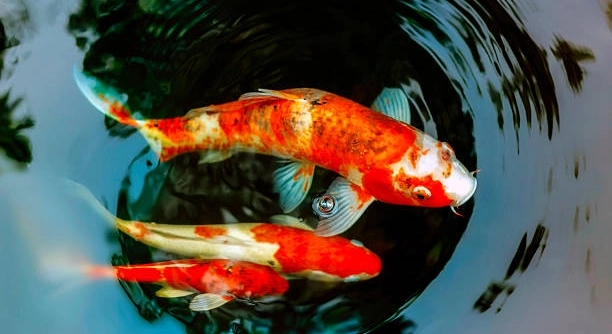
Koi fish are beautiful and peaceful creatures that many enjoy keeping in their ponds. Sometimes, these fish rub against rocks or other surfaces, which can be puzzling to pond owners. Understanding why this happens can help keep koi healthy and happy.
Koi fish rubbing against rocks is often caused by irritation or discomfort, such as parasites, skin infections, or poor water quality. This behavior can also be a natural way to remove dead skin or relieve itching. Monitoring the pond environment and fish health is essential.
Recognizing the reasons behind this behavior can improve your koi care routine and prevent potential health problems. This article will help you identify common causes and effective solutions for your fish’s wellbeing.
Common Causes of Koi Fish Rubbing Against Rocks
Koi fish rubbing against rocks is usually a sign that something is bothering them. Parasites like flukes or lice often cause irritation, making koi rub to try to remove the pests. Skin infections or injuries can also lead to this behavior as the fish attempt to soothe discomfort. Another important factor is water quality. Poor conditions such as high ammonia or nitrite levels can irritate the skin and gills, prompting koi to rub against surfaces. Sometimes, algae or other sharp particles on rocks can cause minor abrasions, encouraging rubbing. It’s important to regularly check water parameters and inspect your fish closely. Healthy koi should not rub frequently, so this behavior often signals a need for care. Proper filtration, regular water changes, and parasite treatments help reduce these issues and keep your fish comfortable.
Regular monitoring of your pond’s water and your koi’s behavior helps catch problems early and avoid serious health concerns.
Preventing irritation by keeping a clean pond and treating infections promptly makes a big difference in your koi’s happiness and longevity.
How to Identify Skin Irritations in Koi Fish
Skin irritations in koi are often visible as redness, ulcers, or small white spots on the fish’s body. These signs usually appear where the rubbing is most frequent. In some cases, you might notice excess mucus or small wounds that become inflamed. Parasites can cause subtle symptoms, so watching for any unusual scratching or lethargy is important. Physical examination in good lighting helps spot these problems early. Healthy koi have smooth, shiny scales and clear eyes. If you notice changes in behavior or appearance, testing the water and consulting with a vet or fish expert is a good next step.
Taking quick action when you see irritation can prevent worsening infections and keep your koi active and vibrant.
Treating skin problems often involves improving water conditions, using medicated baths, and isolating affected fish until healed. Clean environments reduce stress and promote recovery, while balanced nutrition supports the immune system. Sometimes, specific parasite treatments or antibiotics are necessary, depending on the diagnosis. Avoid overcrowding to minimize stress and disease spread. Regular pond maintenance, including debris removal and water quality testing, helps prevent skin irritations from developing. Observing your koi closely for signs of discomfort ensures early intervention. Caring for your fish with patience and attention will lead to healthier, happier koi that enjoy their home.
Environmental Factors Affecting Koi Behavior
Changes in water temperature or pH can cause koi to become stressed and rub against rocks. Sudden shifts make their skin sensitive.
Poor oxygen levels and high ammonia also irritate koi, making them more likely to rub. Keeping water stable helps prevent this behavior.
Plants, debris, or rough surfaces in the pond may cause minor scratches. Koi sometimes rub simply to soothe these small irritations or to remove dead skin.
Parasites and Their Impact on Koi Fish
Parasites such as flukes and lice attach to koi skin, causing itching and discomfort that leads to rubbing. These pests can damage the skin and gills, risking infection.
Regularly checking koi for parasites and maintaining clean water reduces infestations. Treatments include medicated baths and pond-wide applications. Early detection is important to avoid severe health problems, especially since parasites multiply quickly. Preventing overcrowding and stress also lowers the risk of parasite attacks, keeping your fish calm and comfortable.
Signs of Stress in Koi Fish
Koi that are stressed may show signs like rubbing against surfaces, loss of appetite, or hiding. Stress weakens their immune system, making them prone to illness.
Environmental changes, overcrowding, and poor water quality are common stress factors. Reducing these helps koi stay calm and healthy.
Proper Pond Maintenance for Healthy Koi
Keeping the pond clean and balanced is key to preventing rubbing behavior. Regular water testing ensures ammonia, nitrite, and pH levels stay safe. Remove debris and dead plants to maintain good water quality.
Good filtration and regular partial water changes help keep the environment stable. Avoid overcrowding to reduce stress and disease risk. Healthy ponds support happy koi that rarely need to rub against rocks.
Diet and Its Role in Koi Health
A balanced diet strengthens koi’s skin and immune system, reducing irritation. Feeding quality food supports overall wellbeing.
When to Consult a Professional
If rubbing continues despite good care, seek advice from a vet or fish expert. Early diagnosis can prevent serious problems.
FAQ
Why do koi fish rub their bodies against rocks or pond surfaces?
Koi often rub their bodies when they feel irritated or uncomfortable. This rubbing can be caused by parasites, skin infections, poor water quality, or minor injuries. It’s a natural response to try and relieve itching or remove dead skin. Sometimes, rough surfaces in the pond cause minor abrasions, leading to rubbing as well.
Can rubbing against rocks hurt my koi fish?
Yes, frequent or aggressive rubbing can cause wounds or remove protective slime from the skin, making koi more vulnerable to infections. It’s important to identify the reason behind the behavior early to prevent damage. Providing smooth surfaces and maintaining good water quality helps reduce the risk.
How can I tell if my koi have parasites?
Parasites often cause visible signs like small spots, redness, or inflammation on the skin. Koi may also scratch more, become lethargic, or lose appetite. A closer look in good light or consulting a professional can help identify specific parasites like flukes or lice.
What water conditions should I maintain to prevent koi rubbing?
Ideal water conditions include ammonia and nitrite levels at zero, nitrate under 40 ppm, and pH between 7.0 and 8.0. Water temperature should be stable and suited to koi, usually between 59°F and 77°F (15°C to 25°C). Proper oxygenation and filtration are essential too.
Is rubbing always a sign of illness?
Not always. Sometimes koi rub simply to remove dead skin or soothe minor irritation. However, frequent or intense rubbing often indicates an underlying issue like parasites or poor water quality that needs attention.
How often should I check my pond water?
Testing your pond water once a week is a good routine, especially for ammonia, nitrites, nitrates, pH, and oxygen levels. Regular checks help catch problems before they affect your fish.
What treatments are effective against parasites?
Medicated baths, pond-wide treatments, or specific parasite medications are commonly used. The type of treatment depends on the parasite identified. Always follow instructions carefully and isolate infected fish if possible.
Can diet affect my koi’s skin health?
Yes, a balanced diet with high-quality food rich in vitamins and minerals supports healthy skin and immune function. Poor nutrition can weaken koi, making them more prone to irritation and disease.
Should I remove rough rocks from my pond?
If the rocks cause frequent abrasions or sharp edges that harm koi, it’s best to replace them with smoother surfaces. This reduces injury risk and rubbing behavior caused by physical discomfort.
When should I contact a vet or fish expert?
If rubbing continues despite good water quality, diet, and pond maintenance, or if koi show signs of serious infection or injury, professional advice is important. Early intervention improves treatment success and fish recovery.
How can I reduce stress for my koi?
Avoid overcrowding, keep water conditions stable, provide hiding places, and handle koi gently. Stress weakens immunity and can cause rubbing as a response to discomfort.
Is rubbing behavior common in all koi?
Many koi will rub occasionally, but frequent or aggressive rubbing is not normal. Monitoring behavior helps identify when rubbing signals a health problem.
Can algae buildup cause koi to rub?
Algae itself doesn’t cause rubbing, but rough or sharp algae-covered surfaces might irritate koi skin. Keeping algae under control and maintaining clean pond surfaces helps prevent this.
What role does pond temperature play in koi health?
Extreme temperature changes can stress koi, affecting their skin and immune system. Keeping water temperature stable within the koi’s comfort range reduces irritation and rubbing.
Are there natural remedies for koi rubbing?
Some pond owners use salt baths or natural treatments to reduce parasites and skin irritation. While these can help, they should be used carefully and alongside good water management for best results.
Koi fish rubbing against rocks is a behavior that can tell you a lot about their health and environment. It is not unusual for koi to rub occasionally, but when it happens often or strongly, it usually signals that something is wrong. Causes can range from parasites and skin infections to poor water quality or even minor injuries. Understanding these reasons helps in taking the right steps to keep your fish healthy. Regularly checking the pond conditions and observing your koi’s behavior will help you spot problems early before they become serious.
Maintaining a clean and balanced pond is one of the best ways to prevent rubbing caused by irritation. Good filtration, proper water testing, and timely water changes are key to creating a comfortable home for koi. It is also important to avoid overcrowding, as too many fish in a small space can stress them out and make rubbing more likely. Along with water quality, providing a good diet rich in nutrients supports your koi’s skin health and immune system, helping them resist parasites and infections. When koi do rub, paying attention to signs like redness, wounds, or unusual behavior can guide you toward proper treatment.
If rubbing persists despite your best care efforts, it may be time to get help from a professional. A vet or fish specialist can diagnose infections, parasites, or other health issues and recommend the right treatments. Early intervention is important because untreated problems can lead to more serious illness or even death. Watching your koi closely and taking action quickly shows that you care about their wellbeing. With patience and proper care, koi fish can live long, healthy lives and bring joy to your pond for many years.

Hello,
If you enjoy the content that we create, please consider saying a "Thank You!" by leaving a tip.
Every little bit helps us continue crafting quality advice that supports the health, happiness, and well-being of pets around the world, for pets of all shapes, sizes, and species.
We really appreciate the kindness and support that you show us!