
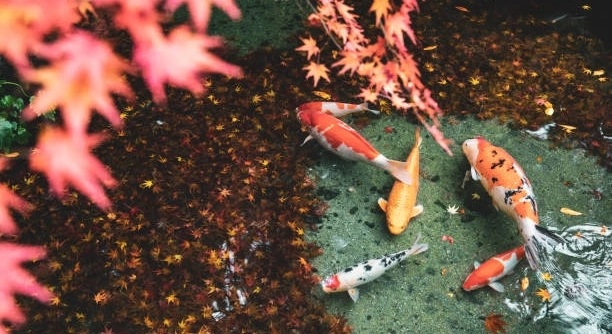
Koi fish are admired for their bright, vibrant colors that brighten any pond. Sometimes, these beautiful fish can suddenly lose their color and turn pale. Understanding why this happens is important for keeping koi healthy and happy.
Koi fish may turn pale due to stress, illness, water quality issues, poor nutrition, aging, genetics, or changes in environment. Each factor affects their color and overall health differently, requiring proper attention and care to prevent further problems.
Knowing the reasons behind this color change can help you take better care of your koi. This article explains the main causes and what to watch for in your fish’s health.
Stress and Its Impact on Koi Color
Stress is one of the main reasons koi fish suddenly turn pale. Changes in their environment, like loud noises, sudden movements, or overcrowding, can cause stress. When koi are stressed, their immune system weakens, and their bodies stop producing the vibrant pigments that give them color. Stress can also come from poor water quality or temperature changes. It’s important to keep the pond calm and stable to help koi feel safe and secure. Providing hiding spots and maintaining clean water reduces stress and helps the fish maintain their bright colors. Watching how koi behave can give clues to stress, such as hiding or reduced activity.
Stress affects koi in many ways, but the loss of color is often an early sign. It’s a signal that something needs to be fixed in their environment or care.
By addressing stress factors quickly, you can protect your koi’s health and help them regain their natural color over time.
Poor Water Quality
Poor water quality can make koi lose their color. Dirty water with high ammonia or nitrite levels harms their skin and gills, causing paleness. Regular testing and cleaning help maintain good water conditions.
Illness and Disease
Illness often leads to koi turning pale, especially if the fish has parasites or bacterial infections. These diseases affect the skin and scales, reducing pigment production and causing the fish to look washed out. Koi with infections may also show other signs like lethargy, loss of appetite, or unusual swimming patterns. Early detection is key to successful treatment. Quarantining new fish before adding them to the pond helps prevent the spread of disease. Using proper medications and consulting a vet or koi expert ensures the fish recover well. Good pond hygiene also plays a vital role in preventing illness and protecting the colors of your koi. Taking care of these health issues promptly can restore your koi’s brightness and keep them thriving.
Poor Nutrition
Koi need a balanced diet to keep their colors bright. Lack of essential nutrients can cause their colors to fade or turn pale. Feeding low-quality or inappropriate food weakens their pigment.
A diet rich in proteins, vitamins, and natural color enhancers like spirulina and carotenoids supports koi health and vibrant colors. Feeding them too little or too much can upset their digestion and affect pigmentation. Fresh, high-quality koi pellets or specialized food designed to boost color will help maintain their natural beauty. Also, seasonal changes affect koi metabolism, so adjusting their diet accordingly is important to meet their nutritional needs throughout the year.
Sometimes, koi may reject food due to illness or stress, which further weakens their color. Watching feeding habits closely allows early detection of problems and helps you respond with proper nutrition and care. Ensuring a balanced diet is one of the simplest ways to keep your koi’s colors rich and strong.
Aging and Genetic Factors
As koi age, their colors may naturally fade or become less intense. This change happens slowly and is part of their life cycle. Some koi are also genetically predisposed to have paler colors or change color over time.
While aging koi may lose some vibrancy, healthy care can slow this process. Genetics play a role in color patterns, so some koi may never have deep, bright hues, depending on their breed. Understanding these natural factors helps set realistic expectations. Good water quality, proper feeding, and stress reduction still support older koi to keep their best colors possible. Recognizing aging and genetics as normal reasons behind paleness prevents unnecessary worry and encourages ongoing care.
Environmental Changes
Sudden changes in temperature or light can cause koi to lose their color quickly. Koi are sensitive to their surroundings, and abrupt shifts can stress them, leading to paleness.
Seasonal shifts, especially moving from warm to cold water, often affect pigmentation. Gradual adjustments help koi adapt without losing their vibrant hues.
Genetics and Color Changes
Genetics heavily influence koi coloration. Some koi are bred to change color as they grow, naturally fading or shifting tones over time. This is normal and not a sign of illness or stress. Knowing your koi’s breed and genetic background helps explain unexpected color changes without alarm.
Light Exposure
Light plays a crucial role in koi color development. Insufficient sunlight or excessive shading can cause colors to fade, making koi appear pale and dull. Ensuring proper light exposure supports natural pigment production.
Why do koi fish lose color suddenly?
Koi fish can lose their color suddenly due to several reasons like stress, illness, poor water quality, or environmental changes. When koi feel threatened or uncomfortable, their bodies may reduce pigment production as a response. It can also happen if the water conditions worsen quickly, causing the fish to pale. Disease and parasites directly affect their skin and scales, leading to a loss of color. Sometimes, sudden changes in temperature or lighting cause koi to adjust their colors to better cope with the environment. Identifying the exact cause is important to restore their vibrant colors and keep them healthy.
Can poor water quality cause koi to turn pale?
Yes, poor water quality is a common reason koi turn pale. High levels of ammonia, nitrites, or nitrates can damage their skin and gills, affecting pigment cells. Dirty or unbalanced water stresses koi, making them lose color as a survival response. Regular testing and maintenance of water parameters are necessary to avoid this problem. Using a good filtration system and doing partial water changes help maintain clean water. Healthy water supports koi’s natural colors and overall well-being.
How does stress affect koi coloration?
Stress weakens koi’s immune system and slows down pigment production, making them appear pale. Stress can come from overcrowding, sudden changes in environment, loud noises, or aggressive tank mates. Even subtle changes like poor diet or temperature swings cause stress. When koi feel safe and comfortable, their colors stay bright and vivid. Reducing stress by maintaining stable pond conditions, proper feeding, and minimizing disturbances helps koi keep their rich colors longer.
Is diet important for koi color?
Absolutely. A balanced diet rich in proteins, vitamins, and natural color enhancers like spirulina and carotenoids boosts koi pigmentation. Poor nutrition causes faded colors and weak health. Feeding low-quality or improper food can lead to pale koi. Seasonal diet changes also matter because koi’s metabolism varies with temperature. Providing high-quality food designed for color enhancement keeps koi healthy and colorful. Watching their eating habits can also alert you to health problems early.
Do koi change color as they age?
Yes, koi often change color as they get older. Some colors fade naturally with age, while others may deepen or shift. This process is gradual and normal, not usually a sign of illness. Genetics also play a role in how a koi’s colors evolve over time. Older koi still need good care to maintain their best colors, even if some fading happens. Understanding that aging affects color helps set realistic expectations for koi appearance.
Can diseases cause koi to become pale?
Yes, diseases, especially parasitic and bacterial infections, often cause koi to lose color. Illness affects the skin and scales, reducing pigment production. Infected koi might also show lethargy, loss of appetite, or unusual behavior. Early detection and treatment are crucial for recovery and restoring color. Quarantining new fish and keeping the pond clean help prevent disease spread.
How does light exposure influence koi coloration?
Light affects how koi develop and keep their color. Too little sunlight or too much shade can make colors fade, while proper light encourages pigment production. Natural sunlight is best, but too much direct sunlight can cause stress or algae growth. Finding a balance with some shaded areas helps koi maintain healthy, bright colors. Adjusting pond placement or using pond plants can manage light exposure effectively.
Can genetics cause sudden color changes?
Genetics can cause color changes, but usually these changes are slow and part of natural development. Some koi breeds are known for shifting colors as they mature. Sudden, dramatic changes are less likely to be genetic and more likely linked to environmental or health factors. Knowing your koi’s breed helps understand what color changes to expect.
What immediate steps should I take if my koi turns pale?
First, test the water quality to ensure it’s clean and balanced. Check temperature, ammonia, nitrites, and pH levels. Next, observe your koi for signs of illness or stress and review recent changes in their environment or diet. Improving water conditions, reducing stressors, and feeding high-quality food help. If illness is suspected, consult a vet or koi expert for proper diagnosis and treatment. Acting quickly can prevent further color loss and protect your fish’s health.
How long does it take for koi to regain color after becoming pale?
The time for koi to regain color varies based on the cause. If the issue is stress or water quality, improvements can show in a few days to weeks. Recovery from illness or nutritional problems may take longer, often several weeks. Aging or genetic changes happen gradually and may not fully reverse. Patience and consistent care are key to helping koi restore their vibrant colors. Regular monitoring ensures you catch any setbacks early.
Koi fish are known for their beautiful and bright colors, which make them a popular choice for ponds. When koi suddenly turn pale, it can be worrying, but it’s often a sign that something in their environment or care needs attention. Many reasons can cause this change, including stress, poor water quality, illness, or diet. Understanding these causes helps koi keepers act quickly to improve the fish’s health. Sometimes, the color change is natural, especially as koi get older or because of their genetics. Knowing this helps avoid unnecessary panic and supports good care habits.
Taking care of koi involves more than just feeding them and watching them swim. Water quality is one of the most important factors in keeping koi colorful and healthy. Regularly testing the water for harmful chemicals and making sure the pond is clean helps koi stay comfortable. Stress can make koi lose their color quickly, so keeping the pond environment stable and calm is also very important. A balanced diet that provides the nutrients koi need will support their natural pigmentation. Feeding the right food and paying attention to how koi eat can prevent color loss caused by poor nutrition.
Sometimes, koi lose color because of health problems like parasites or infections. When koi become sick, their bodies may stop producing bright pigments. It’s important to watch for other signs of illness such as changes in behavior or appetite. Early treatment can help koi recover and regain their color. While color fading can be alarming, it often points to something that can be fixed with proper care. By maintaining good water quality, reducing stress, providing a healthy diet, and monitoring health, koi owners can help their fish stay vibrant and thrive for many years.

Hello,
If you enjoy the content that we create, please consider saying a "Thank You!" by leaving a tip.
Every little bit helps us continue crafting quality advice that supports the health, happiness, and well-being of pets around the world, for pets of all shapes, sizes, and species.
We really appreciate the kindness and support that you show us!