
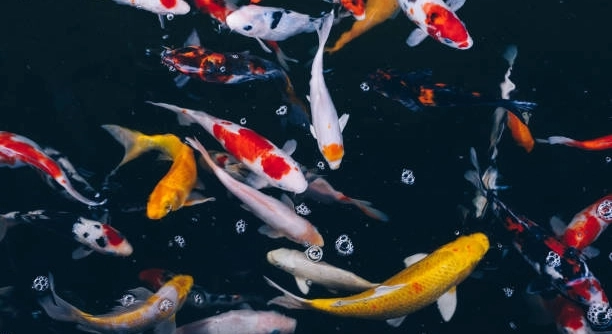
Koi fry are the young, delicate fish that need proper care to grow well. Watching their development closely helps ensure they become healthy adult koi. Knowing the signs of normal growth can make raising them easier and more rewarding.
Koi fry grow normally when they display consistent size increase, healthy coloration, active swimming, and no visible deformities or disease symptoms. Growth rates vary by species, diet, water quality, and temperature but follow predictable patterns under optimal conditions.
Understanding these signs will help you support your koi fry’s health and detect problems early, improving their chances for a strong, vibrant life ahead.
Understanding Growth Stages of Koi Fry
Koi fry go through several growth stages that show how well they are developing. At first, they hatch tiny and fragile, needing gentle care and clean water. During the first few weeks, they grow slowly but steadily. Their fins and colors start to appear, signaling normal development. After about a month, they become more active swimmers and begin to eat solid food. At this stage, watching their size and movement helps identify healthy growth. If fry look sluggish or stop growing, it may indicate problems like poor water quality or lack of nutrition. Proper feeding, temperature control, and tank cleanliness are essential throughout all stages. Consistent care makes a big difference in how quickly and well koi fry grow. Each stage has its unique needs, and meeting them helps avoid stress and disease. Observing your koi fry closely allows you to make timely adjustments in their care.
Growth rate depends heavily on the water’s temperature, cleanliness, and the food provided during each stage.
Keeping track of these stages helps you notice when your koi fry are developing as expected. It also prepares you to act if growth slows or health issues arise. Early intervention can save many young fish and support their long-term health. Understanding these stages allows for better planning of tank conditions and feeding schedules. When fry grow steadily through these phases, it shows you are providing a healthy environment. This knowledge builds confidence in managing your koi population.
Key Signs of Healthy Koi Fry
Healthy koi fry are active swimmers with clear eyes and vibrant coloration.
When koi fry grow well, they look bright and swim energetically without hesitation. Their fins should be intact, and their bodies free from lumps or spots. Normal growth means a steady increase in size over weeks. Fry that stay small, pale, or weak may be under stress or sick. Healthy fry react quickly to food and move with ease around the tank. Clear water with stable temperature helps maintain this vitality. It is important to check for signs of disease like fungus or fin rot. Healthy koi fry will feed regularly and grow larger every week. These signs show you are on the right track with your care routine.
Avoid overcrowding to reduce stress and allow proper growth among the fry.
Proper observation and tank maintenance support the fry’s immune system. Small changes in their behavior or appearance can signal the need for adjustments in feeding, water, or space. Providing clean water and balanced nutrition encourages steady growth and a lower risk of illness. Monitoring these signs closely helps prevent problems from becoming serious. Regular water testing and gentle handling also contribute to healthy development. Taking note of their activity and size over time makes it easier to spot any issues early. This care ensures your koi fry grow into strong, beautiful adult fish.
Monitoring Growth with Measurements
Measuring koi fry regularly helps track their growth and spot problems early. Using a simple ruler or caliper gives you clear data to compare over time.
Consistent measurements allow you to see if your koi fry are growing at an expected rate. Typically, fry should grow about 1 to 2 centimeters every two weeks under ideal conditions. Any sudden drop or lack of size increase might indicate issues with diet, water quality, or stress. Keeping a growth log makes it easier to notice trends and make necessary changes to their care. Accurate measurements also help distinguish healthy fry from those that need extra attention.
Recording these numbers helps you make informed decisions about feeding and tank maintenance. Adjusting food amounts or improving water conditions can boost growth. It also lets you plan for future tank space needs. Tracking size is a simple but powerful tool in ensuring your koi fry grow normally and stay healthy.
Signs of Poor Growth to Watch For
Slow or uneven growth often points to issues in the environment or care.
Fry that lag behind their group or stop growing usually face challenges like poor water quality, insufficient nutrition, or overcrowding. If you notice pale color, lethargy, or clamped fins, these could be signs of illness or stress. Overfeeding or underfeeding can also affect development. Stress from aggressive tank mates may cause fry to hide and eat less. Addressing these factors quickly improves chances for normal growth. Regular water tests and balanced feeding schedules are essential to prevent such problems.
Inconsistent growth might also result from sudden temperature changes or poor oxygen levels in the water. Keeping conditions stable helps fry maintain steady progress. Providing hiding spots reduces stress, encouraging better feeding habits and activity. Early detection of poor growth signs is crucial to prevent long-term harm or death. Proper care adjustments restore health and promote normal development for your koi fry.
Feeding Tips for Better Growth
Feeding koi fry the right food is crucial for their growth. Small, frequent meals work best to keep them nourished without polluting the water.
Choose high-quality fry food with balanced nutrients. Avoid overfeeding to maintain water quality and prevent health issues.
Importance of Water Quality
Maintaining clean water with stable temperature and proper oxygen levels supports healthy growth. Regular water changes and testing prevent harmful buildup of toxins. Using a good filtration system helps keep the environment safe. Poor water quality stresses fry, slowing growth and increasing disease risk.
Tank Setup Basics
A well-organized tank with enough space reduces stress. Avoid overcrowding to allow proper swimming and growth.
Common Growth Problems
Poor growth often stems from bad water, diet, or overcrowding. Addressing these quickly can save your fry.
FAQ
How fast do koi fry usually grow?
Koi fry typically grow about 1 to 2 centimeters every two weeks under good care. Growth speed depends on factors like water temperature, diet quality, and tank conditions. Warmer water within a safe range speeds up metabolism, helping fry grow faster. Consistent feeding with proper food also plays a big role. If fry grow slower than this, it might mean something is off with their environment or health.
What should I feed koi fry for best growth?
Koi fry need high-protein, easily digestible food designed for young fish. Specialized fry pellets or finely crushed flakes work well. Feed small amounts several times a day to avoid overfeeding and water pollution. Supplementing with live foods like baby brine shrimp or daphnia can boost nutrition. Avoid feeding adult koi food, as it might be too large or heavy for fry to digest properly.
How often should I measure my koi fry?
Measuring every two weeks is enough to monitor growth without stressing the fry. Use a small ruler or caliper and be gentle when handling them. Keep a growth chart to track progress and spot any irregularities early. Sudden stops in growth or uneven sizes among fry groups suggest checking water quality, feeding, or possible illness.
What are common signs of unhealthy koi fry?
Unhealthy fry may show slow or no growth, pale or dull coloration, clamped fins, and sluggish swimming. They might hide more than usual or refuse to eat. White spots, fungus, or damaged fins also indicate health problems. Poor water quality, stress, or disease usually cause these signs, so regular tank checks and good care are important.
Can overcrowding affect koi fry growth?
Yes, overcrowding raises stress levels and increases competition for food and oxygen. This slows growth and raises disease risk. Keeping fry at a proper density ensures each has enough space to swim, eat, and grow normally. If you notice fry crowding or aggressive behavior, consider moving some to another tank.
How important is water temperature for koi fry growth?
Water temperature greatly influences metabolism and growth speed. Ideal temperatures are usually between 70°F and 78°F (21°C to 26°C). Temperatures too low slow growth, while temperatures too high cause stress and lower oxygen levels. Consistently stable temperature helps fry develop properly and stay healthy.
What water parameters should I monitor?
Keep ammonia and nitrite at zero, as these are toxic to fry. Nitrate should stay low with regular water changes. pH should be stable around 7.0 to 8.0. Oxygen levels must be high enough to support active swimming and growth. Regularly test water and make adjustments to maintain these safe parameters.
How do I prevent disease in koi fry?
Good hygiene, proper feeding, and stable water conditions are key. Quarantine new fish before adding them to the tank. Avoid overfeeding to keep water clean. Use a quality filter and perform regular water changes. If disease appears, treat it early with appropriate medications recommended for fry.
When should I separate slow-growing fry?
Separating slow-growing fry from faster growers can reduce competition and stress. It allows weaker fry to get enough food and space to improve growth. Monitor all groups and move any fry that lag significantly behind. This also helps prevent bullying or injury from stronger fish.
Is it normal for koi fry to stop growing sometimes?
Short pauses in growth can happen due to changes in temperature, feeding, or water quality. However, long-term growth stops usually signal a problem. Consistent conditions and proper care minimize these pauses. If growth stops for weeks, check for stress, illness, or inadequate nutrition immediately.
Can I use tap water for koi fry tanks?
Tap water is okay if treated properly to remove chlorine and chloramine, which harm fry. Use water conditioners designed for aquarium use. Let treated water sit for a few hours to stabilize before adding fry. Testing water parameters after treatment ensures safety for young koi.
How do I encourage even growth among all fry?
Provide plenty of food spread evenly around the tank and avoid overcrowding. Maintain clean water and a stable environment. Using multiple feeding spots helps reduce competition. Keeping fry healthy through good care also supports uniform growth. Regularly check for any fry falling behind and consider separating them if needed.
Raising koi fry takes attention and patience, but it can be very rewarding. Keeping an eye on their growth and health helps ensure they develop into strong adult fish. Paying attention to their size, activity, and color gives important clues about how well they are doing. It is normal for growth rates to vary slightly, but steady improvement is a good sign. Making sure they have a clean tank, proper food, and stable water conditions supports their development. Avoiding overcrowding and watching for early signs of illness also plays a big role in their success.
Water quality is one of the most important factors in koi fry growth. Young koi are sensitive to changes and toxins, so keeping the water clean and well-filtered is essential. Regular water tests and partial water changes help maintain safe levels of ammonia, nitrite, and nitrate. Temperature stability is also key because koi fry grow best in warm but not hot water. A balanced environment reduces stress, which in turn supports better growth and a stronger immune system. When you provide good water conditions, your koi fry will have the best chance to thrive.
Feeding koi fry correctly is equally important. They need high-protein, small-sized foods that are easy to digest. Feeding several small meals throughout the day helps them absorb nutrients better and prevents water pollution. Overfeeding or poor-quality food can cause health problems and slow growth. Watching how your fry respond to feeding can guide you in adjusting the amounts. Finally, understanding the common signs of poor growth and illness allows you to act quickly if something goes wrong. With care and patience, your koi fry can grow normally and become beautiful adult fish to enjoy for years.

Hello,
If you enjoy the content that we create, please consider saying a "Thank You!" by leaving a tip.
Every little bit helps us continue crafting quality advice that supports the health, happiness, and well-being of pets around the world, for pets of all shapes, sizes, and species.
We really appreciate the kindness and support that you show us!